
India Accelerates Solar Shift, Hits Record Capacity in 2024
India's solar power rose sharply last year, marking a smoother shift to clean energy amid policy pushes and grid upgrades.
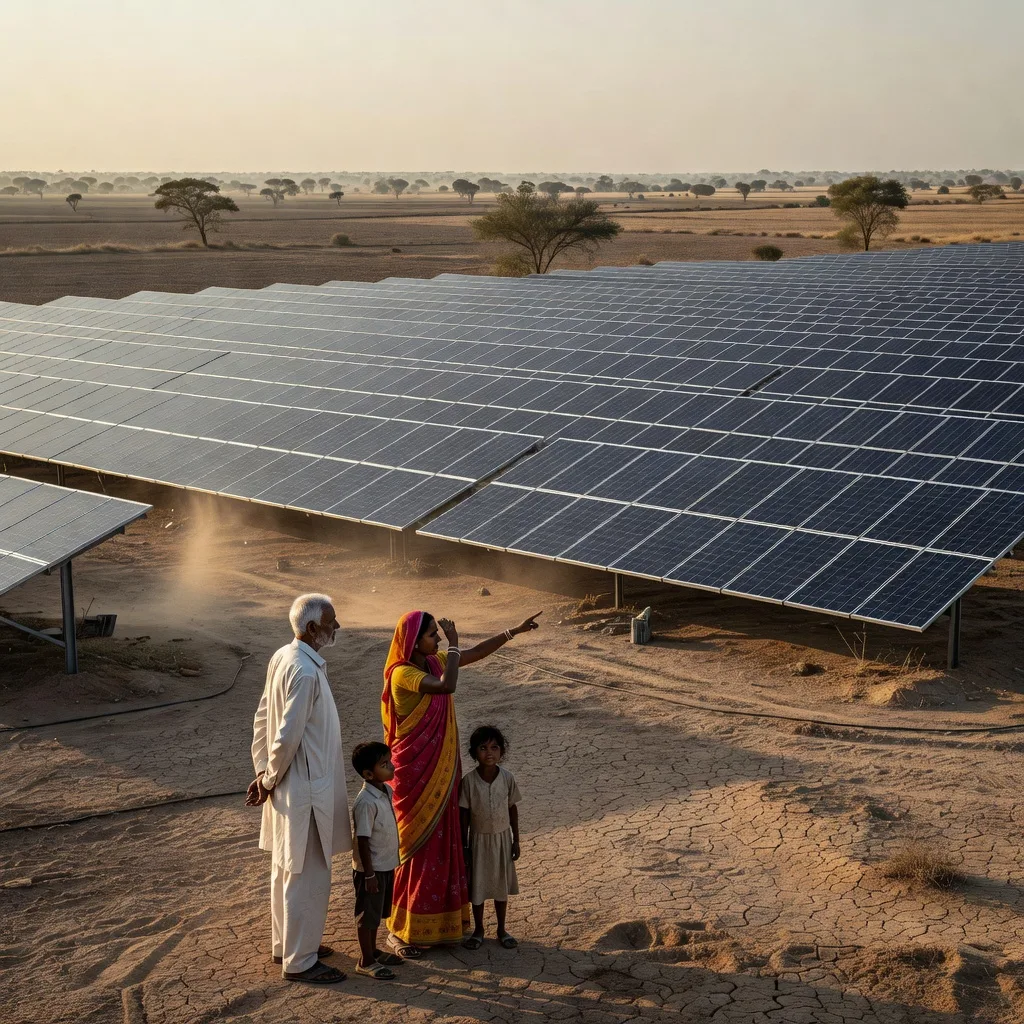
India added more than 25 gigawatts of solar capacity in 2024, pushing the nation past the 100‑gigawatt mark that policymakers set for the end of the year. The surge came as the government kept tariffs low, cleared land faster and let private firms use the same grid that runs the country's coal plants. The result is a smoother transition to green power that many analysts say could cut emissions by millions of tonnes.
Policy push and private investment
The Ministry of New and Renewable Energy kept the auction price for solar projects at around 2.5 rupees per kilowatt‑hour, a level that invited both domestic and foreign investors. State‑run banks offered loans at favorable rates, and the central bank eased credit for renewable projects. Together these steps let developers build large‑scale farms in Rajasthan, Gujarat and Tamil Nadu without waiting for lengthy approvals.
Grid upgrades help integrate more sun
India's grid operator, POSOCO, upgraded transmission lines in the north‑west corridor to handle the extra load. New substations and smart‑meter installations let utilities lookat real‑time supply, reducing curtailment that used to bite into solar output. Experts say the improvements will let the country grow solar beyond today's peak by at least 15 percent over the next two years.
- Solar capacity reached 102 GW by December 2024.
- Average solar‑to‑grid efficiency rose to 85 %.
- Renewable share of total electricity hit 35 %.
While the numbers look strong, challenges remain. Land acquisition still slows projects in some states, and the need for storage grows as solar output peaks in the afternoon. The government announced a plan to add 10 GW of battery storage by 2026, but funding and supply‑chain issues could delay the roll‑out.
Rural electrification also benefits from the solar boom. Off‑grid solar kits, supported by a subsidy scheme, now power more than 1.2 million homes in remote villages. The kits use simple panels and inverters, letting families use lights, fans and phone chargers without diesel generators.
Overall, the data shows India is on a steady path toward a greener grid. The combination of low tariffs, faster clearances, and grid upgrades has helped the country grow solar capacity faster than any other major economy last year. Observers say the pace must stay high to meet the nation's 2030 climate goals, but the groundwork laid in 2024 gives policymakers confidence the shift can continue smoothly.
Comments
Be the first to comment.
Leave a comment