
India Curtailed 96.9GW of Solar PV in September, PV Tech Reports
The figure points to a widening gap between installed solar capacity and the grid's willingness to absorb it.
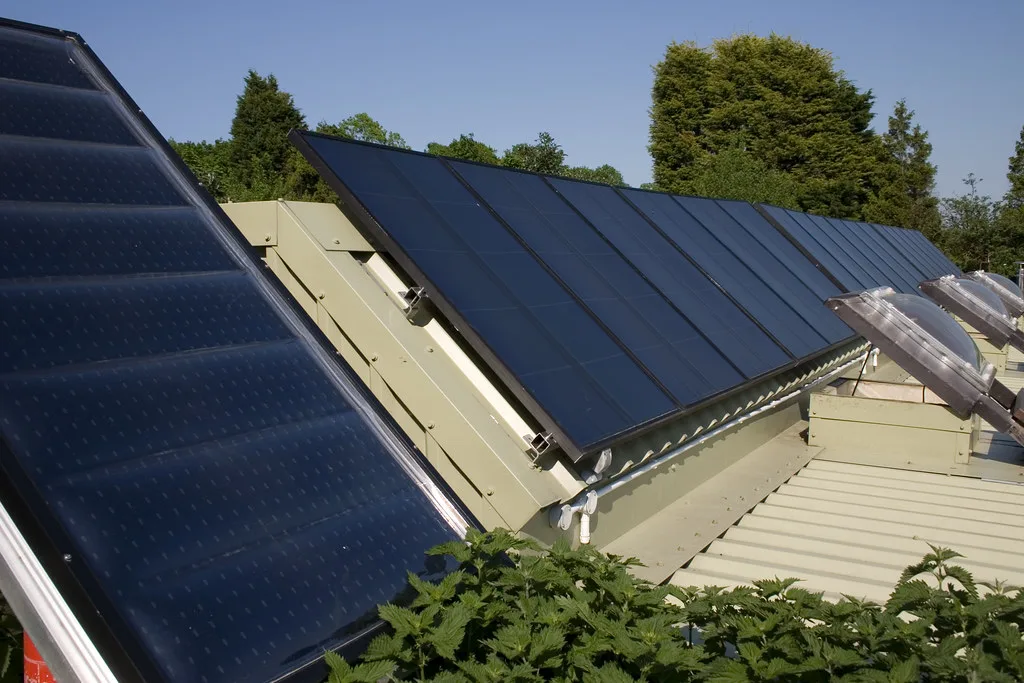
India curtailed 96.9GW of solar PV capacity in September, according to PV Tech. The outlet reported the figure on 20 October 2026.
Curtailment means solar farms were told to switch off or dial down even though the sun was shining and the panels were ready to generate. The power was available. The grid didn't take it.
The 96.9GW number is large enough to matter. India has been adding solar at a fast clip, and each new gigawatt of capacity raises the same question: where does the electricity go when demand doesn't match supply?
Why solar gets switched off
Solar output peaks in the middle of the day. Demand often doesn't. On mild afternoons, or when industrial load is low, the grid can end up with more solar power than it can safely carry. Transmission lines have limits. So do the balancing systems that keep frequency steady.
When supply outruns what the network can move or store, the system operator curtails. It's a safety measure, not a failure of the panels themselves.
Storage is the obvious fix, and India has been building battery capacity. But storage build-out has to keep pace with solar additions. September's figure suggests it hasn't.
The numbers behind the headline
PV Tech put the September curtailment at 96.9GW. That's a measure of capacity affected, not energy lost over the month, and the two aren't the same thing. Still, the scale gives a sense of how much solar generation the grid chose not to use.
For developers, curtailment cuts into revenue. A plant that can't sell its output earns less than its model assumed. Lenders notice. So do the states that sign power purchase agreements and then find themselves curtailing.
For consumers, the picture is messier. Curtailed solar doesn't automatically mean higher bills, but it does mean the cheapest daytime power isn't always reaching the grid.
What it means for India's targets
India has set ambitious renewable energy goals, and solar sits at the center of them. Hitting those targets means not just building capacity but using it. A curtailment figure this high raises questions about grid planning, transmission upgrades and storage.
The Ministry of New and Renewable Energy and grid operators have been working on flexibility measures. Green energy corridors, better forecasting and demand response all play a role. Whether they move fast enough is the open question.
September's 96.9GW is a snapshot, not a trend line on its own. But it lands at a moment when India's solar fleet is bigger than ever and the grid is being asked to absorb more variable power than before.
PV Tech reported the figure on 20 October 2026. The full report is available at the outlet.
Source: PV Tech · 20 Oct 2026
Comments
Be the first to comment.
Leave a comment