
India pulls in $32 bn in clean energy investment as rooftop solar adds 16.9 GW: BNEF
BloombergNEF's latest tally puts India's renewable investment at $32 billion, with small-scale solar driving a record share of new capacity.
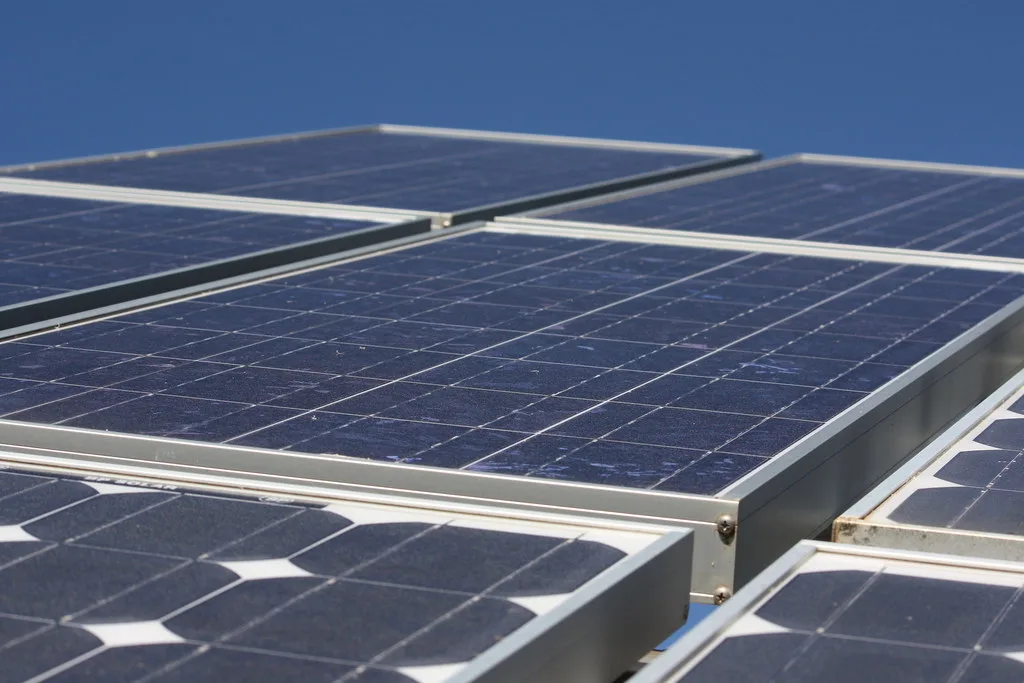
India drew $32 billion in renewable energy investment, according to BloombergNEF, with small-scale solar installations reaching 16.9 GW. The figures, reported by Saur Energy on November 12, 2026, put distributed solar at the centre of the country's capacity build-out.
The $32 billion covers the renewable sector broadly. BNEF's breakdown, as carried in the report, ties a large part of the momentum to small-scale solar, rooftop systems and similar installations that sit closer to where the power is used.
That 16.9 GW number matters. Small-scale solar has moved from a niche add-on to a serious slice of India's renewable pipeline. Rooftop systems on homes, shops, schools and small factories now account for capacity that would have looked implausible a few years ago.
Why distributed solar is growing
Several things are pushing it. Falling module prices have cut the payback period for a rooftop system. State-level net metering rules, where they hold, let households offset bills with the power they export. And the upfront cost, while still a barrier for many, is easier to finance in small chunks than a utility-scale plant.
The investment figure of $32 billion reflects money flowing across the sector, generation, manufacturing, and the grid work that ties it together. BNEF tracks these flows as a gauge of how fast countries are actually building, not just pledging.
India has set steep renewable targets for the end of the decade. Hitting them means adding capacity at a pace the country has not managed before. The small-scale solar numbers suggest that part of the market is responding.
The grid question
Distributed solar brings its own problems. Rooftop systems feed power into local networks that were not designed for two-way flow. In some states, distribution companies have pushed back on net metering, citing the cost of managing the load. How those disputes get settled will shape whether the 16.9 GW pace holds.
There's also the question of where the capacity is going. Small-scale solar tends to cluster in states with supportive policies and higher electricity tariffs, where the economics work best. States with weaker frameworks lag.
BNEF's $32 billion figure sits against a global backdrop of shifting investment. Capital has been moving toward markets with clear policy signals and reliable offtake. India's numbers suggest it is still drawing money, though the mix is changing.
The report does not break out how much of the $32 billion went to solar versus wind or other technologies. It does make clear that small-scale solar is no longer a rounding error in India's energy transition.
For a country that added 16.9 GW of distributed solar, the next test is whether the grid, the financing and the policy can keep up with the rooftops.
Source: Saur Energy · 12 Nov 2026
Comments
Be the first to comment.
Leave a comment