Israel Envoy Pitches Agrivoltaics as India Weighs Food and Solar on One Farm
Israel's ambassador to India has flagged dual-use farming, where solar panels and crops share the same land, as a way to ease the country's land squeeze.
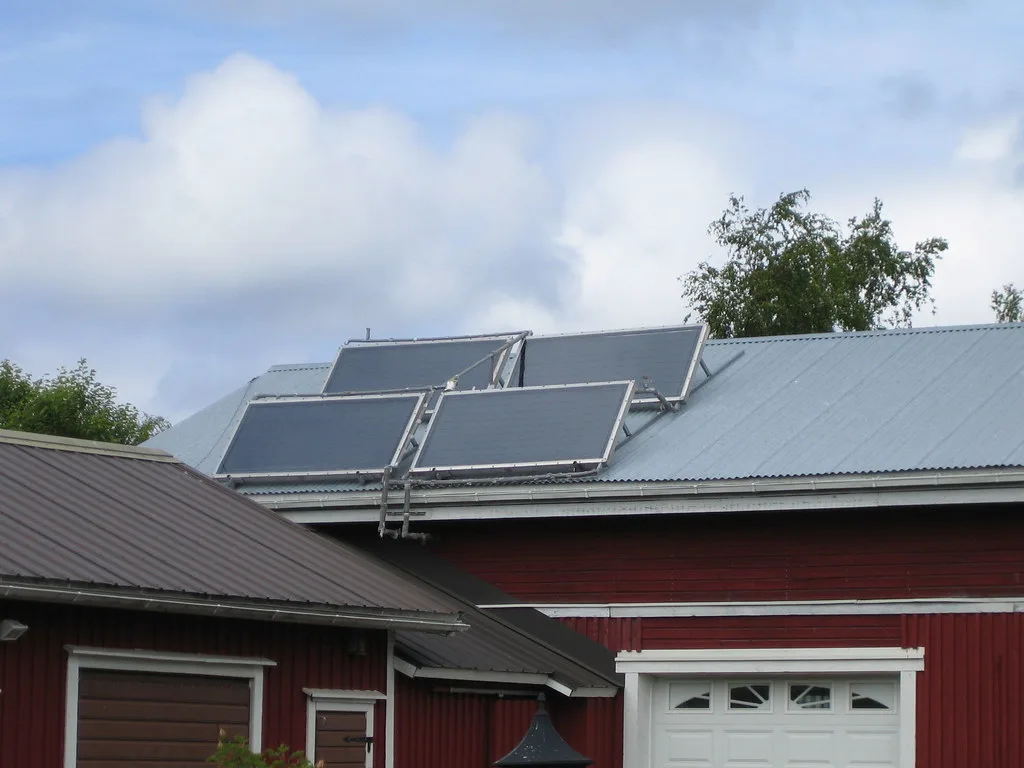
India's ambassador-level conversation about solar power has a new entry: growing crops under and between panels. Israel's envoy to India raised the idea of agrivoltaics this week, according to a report by India Today, framing it as a way for a land-hungry country to make one acre do two jobs.
The pitch is simple. Solar parks need land. Farms already have it. Put them together and you don't have to choose.
The report did not spell out specific projects, investment figures or a timeline. It described the envoy sharing the approach as a practical fix rather than a formal proposal.
Why the land question matters
India has set steep renewable energy targets, and solar has done most of the heavy lifting. Utility-scale parks have spread across Rajasthan, Gujarat and Madhya Pradesh, often on scrubland but sometimes on ground that could be farmed. Every megawatt takes acreage. Every acre taken from a farmer is a political problem.
Agrivoltaics flips that. Panels go up at a height that lets tractors and crops pass underneath, or in rows spaced wide enough for cultivation. The shade can help some crops in hot, dry regions by cutting evaporation. The panels earn power revenue. The field still earns food.
It isn't free lunch. Panel spacing, crop choice and irrigation all need planning. Too much shade and yields drop. Too little and the solar economics weaken. The model works best with the right crops in the right climate, not as a blanket rule.
What Israel brings to the table
Israel has spent decades farming under harsh conditions with limited water and land, and its companies sell drip irrigation, greenhouse and solar technology worldwide. That background is why an Israeli envoy talking about dual-use farms lands with some weight in New Delhi.
India and Israel already cooperate on agriculture and water management. The agrivoltaics idea fits that existing track rather than opening a new one.
For Indian farmers, the appeal is income. A field that produces grain and electricity can bring in two revenue streams, and solar leases can steady cash flow in bad monsoon years. For developers, farmland comes with grid connections and roads more often than remote wasteland does.
The hard part
Land records, tenancy rules and power purchase agreements are built for single-use plots. Mixing farming and generation means contracts have to say who owns the crop, who maintains the panels and what happens if the harvest fails. State electricity regulators have barely begun to write those rules.
There's also the question of scale. Pilot plots prove a concept. Thousands of hectares are a different matter, and India's solar buildout is measured in gigawatts, not demonstration sites.
The envoy's message, as reported, was that the two don't have to compete. Whether Indian policy catches up to that is the open question. For now, the idea sits on the table, waiting for a pilot, a policy note or a state willing to try it on real farmland.
Source: India Today · 11 Nov 2026
Comments
Be the first to comment.
Leave a comment