
India pushes discoms toward smart grid software as rooftop solar climbs
The Indian Express reports that distribution companies are being urged to adopt smart grid software to manage a fast-growing wave of rooftop solar connections.
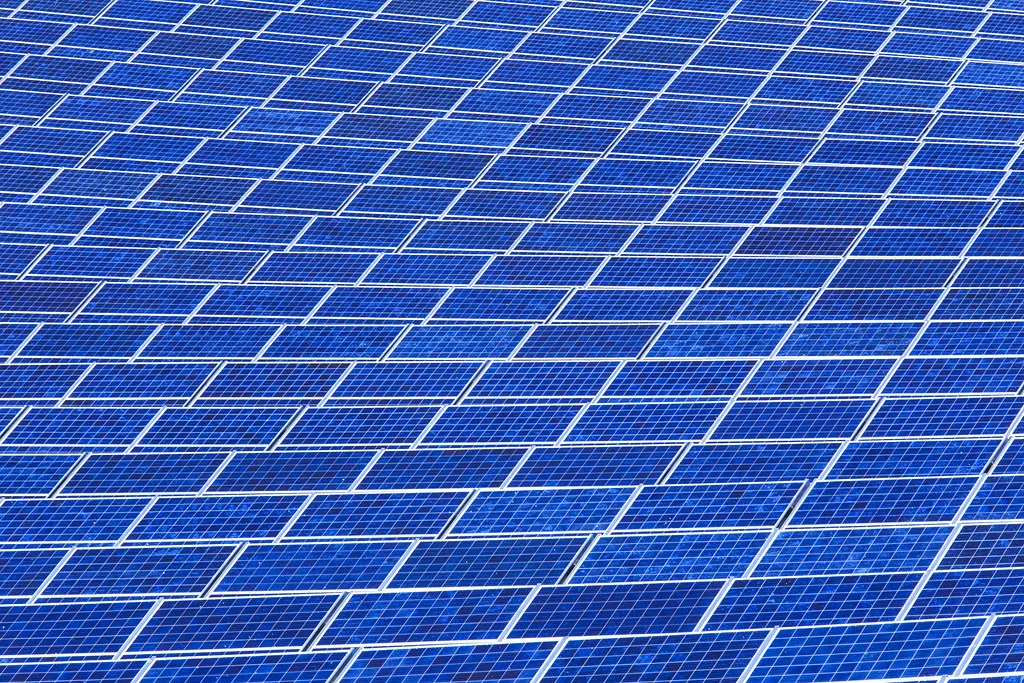
India's power distribution companies are being pushed to take up smart grid software as rooftop solar installations keep climbing, The Indian Express reported on Saturday. The report ties the push to a simple problem: discoms are built to move power one way, from grid to home. Rooftop solar sends it back the other way.
That reversal strains networks that were never designed for it. More homes and businesses generating their own electricity means more two-way flows on low-voltage lines, more voltage swings, and more work for the people who run the distribution system.
Why software, and why now
Smart grid software gives a discom a live picture of what's happening on its network. Instead of waiting for a fault report, operators can see where power is flowing, how much solar is being fed back, and where the system is close to its limits. The Indian Express report frames the software as the tool that lets discoms keep up with rooftop solar growth rather than slow it down.
The alternative is manual. Many discoms still rely on spreadsheets, field visits and phone calls to track rooftop solar connections. That works when the numbers are small. It doesn't when thousands of rooftops in a single feeder area start exporting power at the same time on a sunny afternoon.
The rooftop solar numbers behind the pressure
India has been adding rooftop solar capacity at a faster clip, helped by subsidy schemes aimed at households. Every new connection adds a small generator to a network that has to absorb it. The Indian Express report points to this surge as the reason the software question has moved from a nice-to-have to a practical need.
Discoms also face a commercial problem. When a customer installs rooftop solar, the discom sells less power to that customer. The fixed costs of the network don't disappear. Smart grid software doesn't solve that arithmetic, but it does give discoms better data on who is generating what, and when.
What adoption will take
Rolling out smart grid software across India's discoms is not a single purchase. It means metering upgrades, data systems that talk to each other, and staff trained to read the new dashboards. The Indian Express report notes the push comes as discoms are already under pressure to improve their finances and service quality.
There's also the question of scale. India has dozens of discoms across states, each with its own network, its own legacy systems and its own procurement rules. A software approach that works in one state may need rework in another.
The report doesn't put a timeline on adoption or name specific discoms already running such systems. What it does make clear is the direction of travel: rooftop solar is growing, and the grid that has to absorb it needs better eyes on it.
For now, the pressure sits with the discoms. Every rooftop panel added to a feeder makes the case for the software a little stronger.
Source: The Indian Express · 28 Nov 2026
Comments
Be the first to comment.
Leave a comment