
Rooftop solar additions hit 11.2 GW in Jan-Sept 2026, up 127% year on year
A new report puts India's rooftop solar capacity addition at more than double last year's pace for the first nine months of 2026.
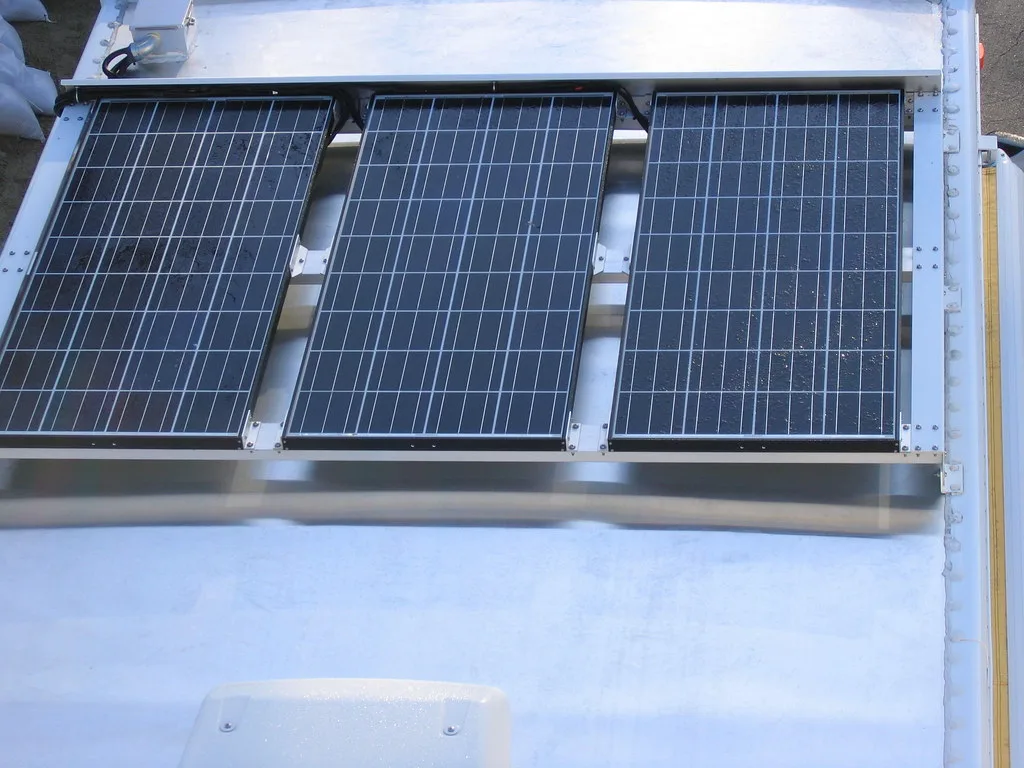
India added 11.2 GW of rooftop solar capacity between January and September 2026, according to a report cited by ET EnergyWorld. That's a 127% jump over the same nine months last year.
The numbers point to a market that has moved well past its earlier, slower crawl. Rooftop solar has long trailed utility-scale projects in India's renewable buildout, held back by financing hurdles, patchy net-metering rules and a fragmented installer base. The latest figures suggest some of that is changing.
What's behind the surge
The report doesn't break the growth down by state or by segment. But the scale of the increase, more than double the year-ago figure, is large enough to register as a shift rather than a blip.
Residential rooftops have been the focus of a national subsidy push, and that has pulled in households that previously found the upfront cost too steep. Commercial and industrial buyers, facing rising grid tariffs, have also been signing up for rooftop systems to cut their power bills.
The nine-month window matters. Rooftop installations in India tend to bunch up toward the end of the financial year, so the January-September figure captures most of the busy season without the final-quarter scramble.
The bigger picture
Rooftop solar still makes up a small slice of India's total solar capacity. Utility-scale parks dominate. But 11.2 GW in nine months is a meaningful volume on its own, and it changes the arithmetic for how the country meets its renewable energy targets.
Distributed generation carries benefits that big parks don't. Power is generated where it's used, which trims transmission losses and eases pressure on overloaded local grids. For a country still working through distribution bottlenecks, that's not a small thing.
The growth also has a supply side. Module prices have stayed low, and a wider pool of installers now competes for residential and small commercial jobs. Cheaper hardware and more competition tend to show up in the numbers eventually.
What to watch
Two things will decide whether the pace holds. The first is financing. Rooftop systems are small-ticket loans, and lenders have historically been wary of them. If that loosens, more households can afford the switch.
The second is policy consistency. Net-metering rules vary by state and have been revised more than once. Installers and buyers both watch those changes closely, because a shift in how exported power is compensated can swing the economics of a project.
The report's 127% growth figure covers the first nine months of 2026. Whether the full year lands near that pace will depend on how the October-December quarter closes.
Source: ET EnergyWorld · 26 Nov 2026
Comments
Be the first to comment.
Leave a comment