
India's 2035 climate target hinges on grid upgrades and battery storage, ET EnergyWorld reports
Faster renewable integration, transmission capacity and storage buildout are the bottlenecks standing between India and its enhanced 2035 climate goal, according to a report by ET EnergyWorld.
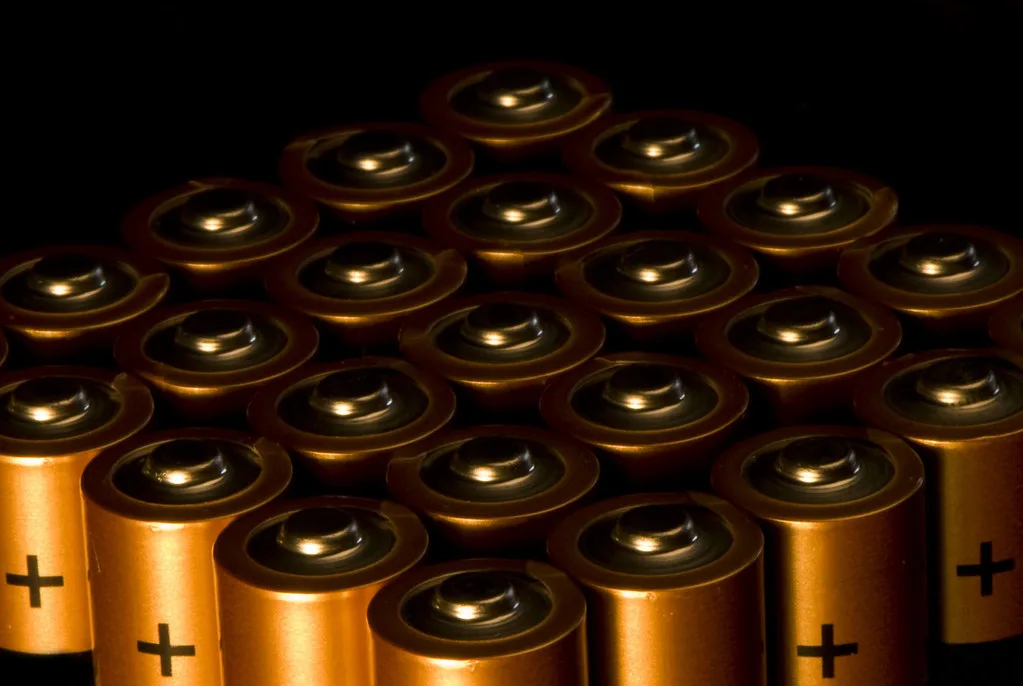
India will need to move faster on three fronts if it is to meet its enhanced 2035 climate target: plugging renewables into the grid, upgrading transmission, and building battery storage. ET EnergyWorld reported on the challenge on Monday, framing the gap between ambition and infrastructure as the central problem.
The report did not put a number on the shortfall. It did make clear where the pressure sits. Solar and wind capacity can be added at a record clip, but the power has to reach demand centres, and the grid has to absorb it without breaking.
Three bottlenecks, one deadline
Renewable integration tops the list. India's solar and wind buildout has run ahead of the network meant to carry it, and the mismatch shows up as curtailment and congestion in several states. Grid upgrades come next. Transmission lines take years to plan, clear and build, and the 2035 deadline leaves little room for delay.
Battery storage is the third piece. Storage smooths the evening peak, when solar fades and demand climbs. Without it, more renewables on the system means more variability, not more reliable supply.
The ET EnergyWorld report treats the three as linked. Faster integration without transmission is wasted capacity. Transmission without storage leaves the grid exposed to the daily swing between noon surplus and evening scarcity.
What the target asks for
India's enhanced 2035 target raises the bar on emissions reduction and clean power share. Meeting it depends less on headline capacity numbers than on whether the system can run on a high share of renewables day after day.
That is an engineering and financing problem as much as a policy one. Transmission projects need land, right-of-way and state cooperation. Storage needs capital and a tariff framework that pays for it. Neither moves at the speed of a solar tender.
The report points to the pace of execution as the deciding factor. Capacity auctions have drawn strong interest from developers. The slower work sits downstream: substations, lines, and the storage plants that keep the lights on after sunset.
The next few years matter most
Analysts have long argued that India's renewable targets are achievable on paper and harder in practice. The 2035 goal compresses that test. Every year of delay in transmission or storage makes the later years steeper.
ET EnergyWorld's assessment lands as India balances rising power demand against its climate commitments. The country has added renewables at scale. The question now is whether the grid and the batteries can keep up.
The report's bottom line is blunt: without faster integration, upgraded transmission and storage at scale, the enhanced 2035 target stays out of reach.
Source: ET EnergyWorld · 16 Nov 2026
Comments
Be the first to comment.
Leave a comment