
India’s Renewable Push Gains Speed as Earth Journalism Network Names 18 New Fellows
India's solar and wind capacity is climbing fast while the Earth Journalism Network appoints 18 fellows to boost climate reporting.
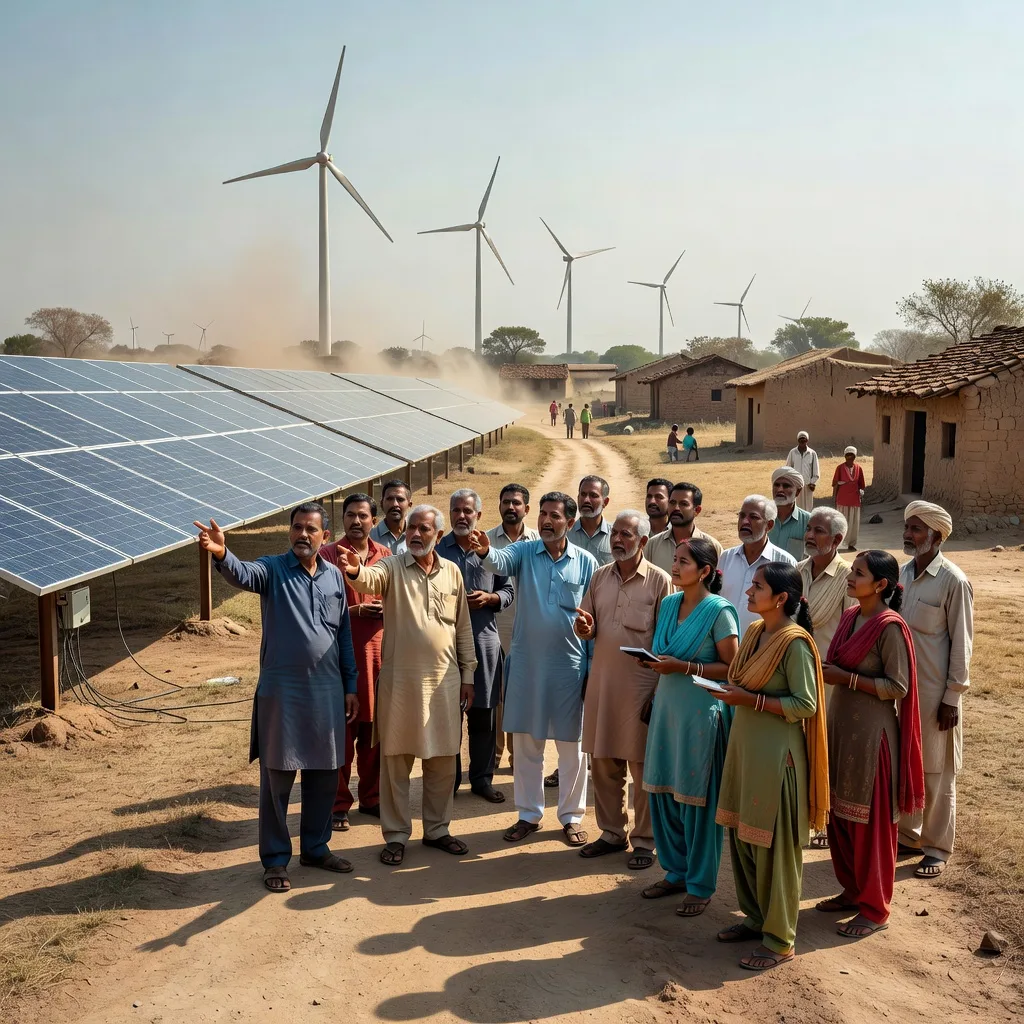
Renewable capacity climbs
India added about 30 gigawatts of solar and wind power in the last twelve months, raising total renewable generation to roughly 190 gigawatts. Solar now accounts for close to 120 gigawatts and wind about 60 gigawatts. The surge came after the government held two large‑scale auctions that drew strong interest from domestic and foreign developers.
The Ministry of New and Renewable Energy says the new capacity lifted the nation's renewable share of total electricity generation to just over 40 %. That puts the country on track for its pledge to hit 450 gigawatts of renewable power by 2030.
Policy moves support growth
Key policy steps have helped the market grow. The government kept the accelerated depreciation scheme in place, allowing investors to write off equipment costs faster. It also extended the viability gap funding for solar projects in remote areas and introduced a green‑energy certificate that rewards generators for clean output.
State utilities have begun to buy more renewable power under long‑term power purchase agreements, which give developers a steady revenue stream. Together, the measures have lowered the cost of solar and wind electricity to levels that can compete with coal.
Earth Journalism Network builds reporting capacity
The Earth Journalism Network announced that it has selected 18 fellows from India, Bangladesh, Nepal, Sri Lanka and Bhutan. The fellows will receive six months of training, mentorship and a modest grant to produce stories on climate, energy and biodiversity.
Program director Maya Patel said the fellows were chosen for their ability to lookat climate impacts in local communities and to explain technical issues in plain language. "We want journalists who can show how the renewable shift affects everyday life, from farmers to city commuters," she said.
The fellowship will culminate in a series of articles and multimedia pieces that will be distributed through partner news outlets across South Asia. Organisers hope the work will grow public understanding of the energy transition and hold policymakers accountable.
What the two developments mean together
The rapid rise in renewable capacity and the new cohort of climate reporters point to a broader shift in how India and its neighbours handle the energy challenge. Faster growth of clean power reduces reliance on imported fossil fuels and cuts air‑pollution deaths, while stronger reporting can inform voters and spur more ambitious climate policies.
Experts say the combination of market incentives and better information could help the region meet the goals set out in the Paris Agreement. As the next round of renewable auctions approaches, journalists will be on the ground to document both successes and setbacks.
For now, the data show a clear upward trend in clean‑energy deployment, and the Earth Journalism Network's fellowship promises to keep the story moving forward.
Comments
Be the first to comment.
Leave a comment