
India’s Energy Revolution Shifts High Gear with New Renewable Push
The government and private sector are speeding up solar, wind and EV projects as India aims to meet its 2030 climate targets.
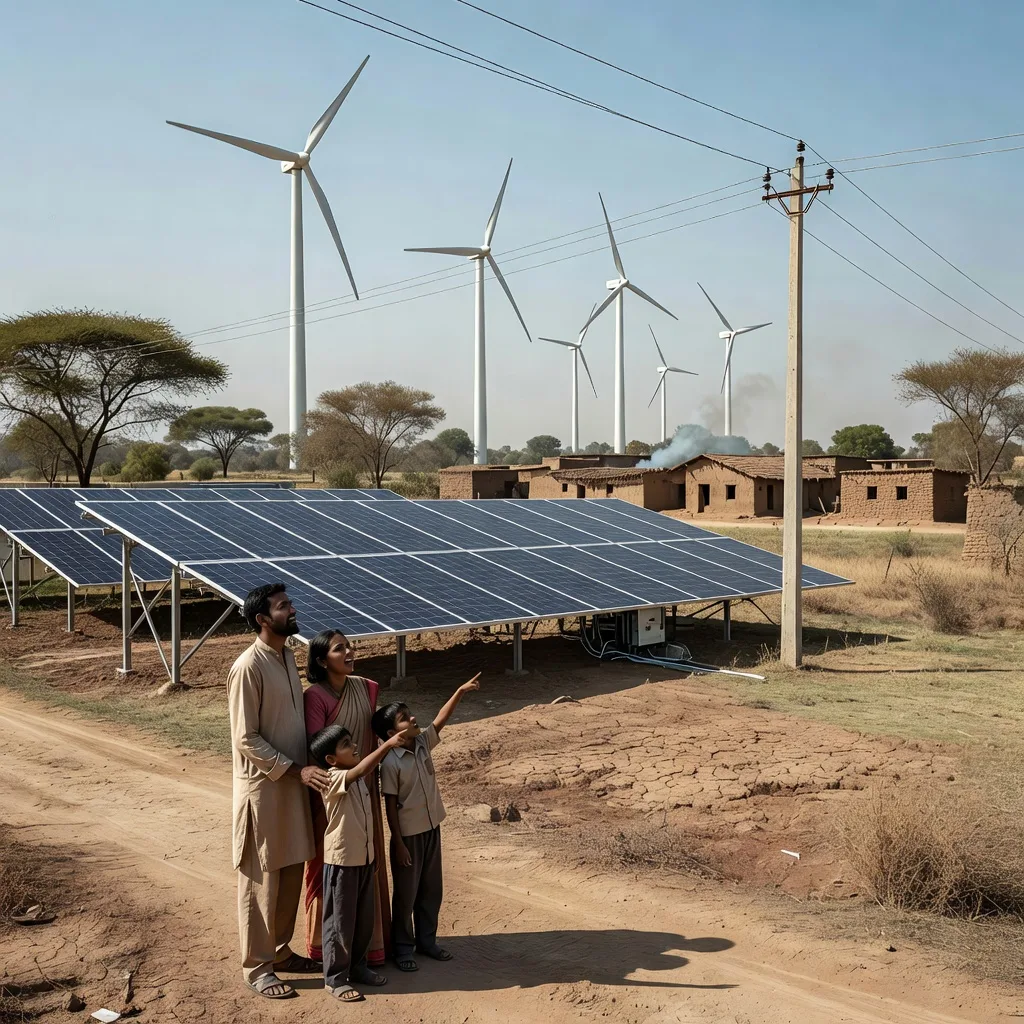
New Delhi, India's clean‑energy drive entered a new phase this week as the Ministry of New & Renewable Energy announced a series of measures to speed up solar, wind and electric‑vehicle (EV) projects. The package is part of the country's pledge to cut carbon emissions by 33 % from 2005 levels by 2030 and to reach 450 GW of renewable capacity by that date.
Policy tweaks aim to cut red tape
The government said it will use a single‑window clearance system for large solar farms, cutting approval time from months to weeks. It also plans to build a transparent online portal where developers can track the status of permits. The move is meant to show investors that India is serious about removing bottlenecks that have slowed growth.
Funding boost for wind and solar
Finance Minister Nirmala Sitharaman unveiled a new fund of ₹50 billion to support wind and solar projects in under‑served states. The fund will grow through contributions from public‑sector banks and green‑bond issuances. Private firms said the additional capital will help them expand capacity in regions such as Rajasthan, Gujarat and Odisha, where wind resources are strong.
EV market given a lift
The Ministry of Heavy Industries announced a tax rebate on EV batteries and a subsidy for two‑wheelers that cost less than ₹75 000. The scheme is expected to grow EV sales by 30 % in the next two years, according to industry analysts. Several state governments have also pledged to build charging stations along highways, a step that could make long‑distance travel by electric cars more practical.
Industry response
Leading renewable developers said the new steps will help them meet the aggressive targets set in the National Solar Mission. "We have been waiting for a clear policy path," said Ramesh Kumar, CEO of SolarFuture Ltd. "Now we can lookat the numbers and plan new farms with confidence."
Wind‑energy firms echoed the sentiment. "The funding and fast‑track clearances will let us build more turbines in the next fiscal year," said Anjali Patel of BreezeWind Energy.
Challenges remain
Despite the upbeat announcements, experts warn that grid integration and storage still need attention. "We must build more battery capacity and upgrade transmission lines to handle intermittent power," said Dr. Suresh Iyer, a professor of energy systems at IIT Delhi. He added that land acquisition and local opposition could slow some projects.
Looking ahead
India's renewable push is part of a broader climate strategy that includes re‑forestation and a shift away from coal. The government has pledged to close 100 GW of coal plants by 2030, a goal that will require massive investment in clean alternatives. If the new measures work as intended, the country could see a sharp rise in renewable output and a decline in fossil‑fuel use over the next decade.
For now, the policy tweaks and funding boost have set the stage for a faster rollout of clean power. Stakeholders across the board say they will watch the implementation closely, ready to adjust plans as the market responds.
Comments
Be the first to comment.
Leave a comment