
India’s Capital Pushes Aggressive EV Goal to Clean Its Air
Delhi aims to sell millions of electric cars and buses by 2030 in a bid to lower smog and meet national climate pledges.
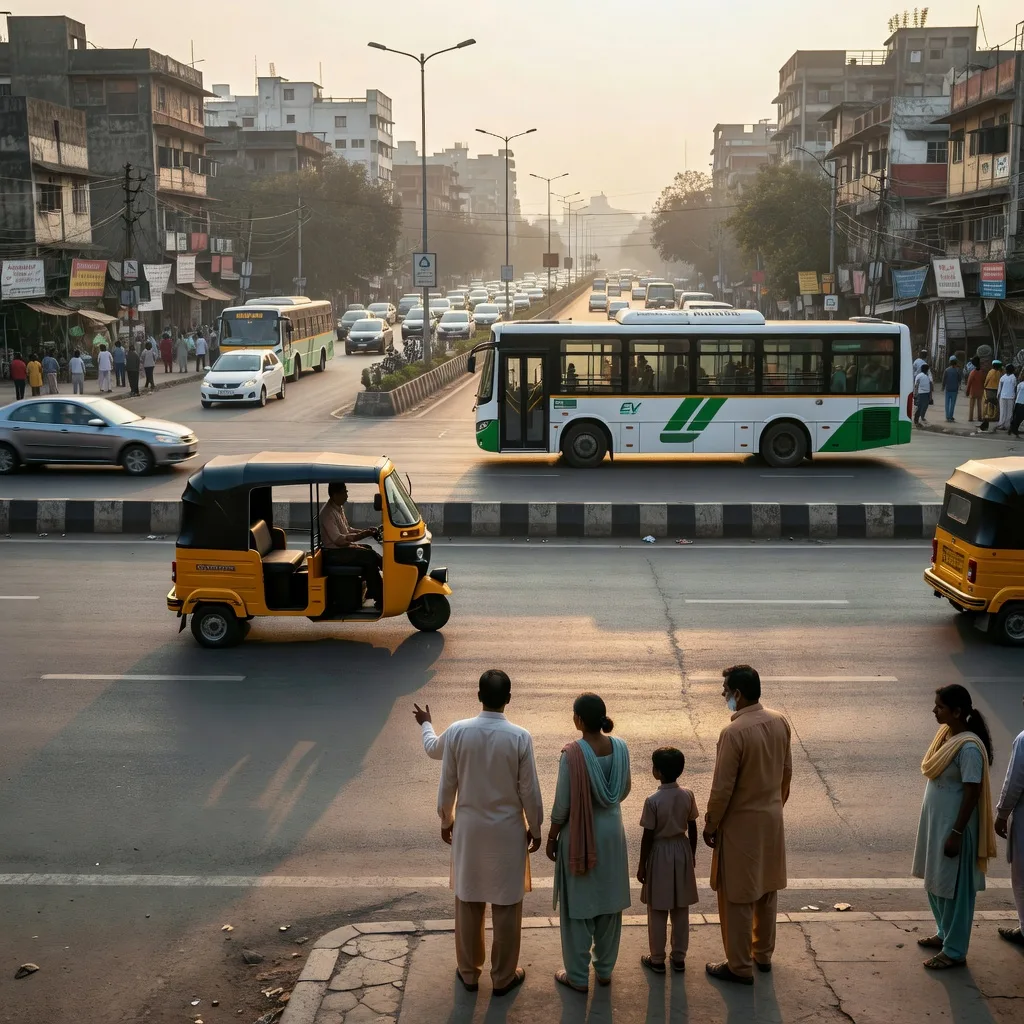
Delhi sets a bold target for electric vehicles
The government of Delhi announced plans to register ten million electric vehicles on its roads by 2030. The goal includes private cars, two‑wheelers and public buses. Officials say the target will help cut emissions that cause the city's notorious smog.
Delhi's chief minister, who heads the state's climate task force, said the plan will use subsidies, tax breaks and new charging stations. The state will also work with manufacturers to grow local production of batteries and electric motors.
Why the push matters
Air quality in Delhi regularly exceeds World Health Organization limits. Residents often wear masks and schools sometimes close when pollution spikes. Health officials link the poor air to thousands of premature deaths each year.
Electric vehicles produce no tailpipe smoke, which means they can lower the amount of fine particulate matter and nitrogen oxides that cloud the sky. The city hopes the shift will show a visible drop in daily pollution readings within the next few years.
Key steps in the plan
- Provide up to 1.5 lakh rupees (about $2,000) in cash for each new electric car purchase.
- Offer free registration and lower road tax for electric two‑wheelers and buses.
- Build 5,000 public charging points across the city by 2026.
- Set up a network of battery swap stations for two‑wheelers.
- Require all new public buses to be electric after 2025.
The state will also use its existing fleet of electric taxis as a test case. Data from those vehicles will help fine‑tune the charging network and show how drivers respond to the new incentives.
Challenges and criticism
Some analysts warn that the subsidies could strain Delhi's budget if demand does not grow as fast as projected. Critics also point out that the electricity grid must shift to renewable sources for the plan to truly cut emissions.
Environmental groups ask the city to pair the EV push with stronger rules on industrial emissions and a faster move to solar power. They say that without a clean grid, electric cars may still rely on coal‑heavy electricity.
National context
Delhi's effort fits into India's wider goal to have electric vehicles make up 30 percent of new vehicle sales by 2030. The central government has set up a national fund to support charging infrastructure and offers tax credits for manufacturers that set up plants in the country.
Experts say the capital's aggressive target could act as a model for other Indian cities that face similar air quality problems. If Delhi can grow its electric fleet while keeping costs low, it may show a path for the rest of the nation.
Looking ahead
Officials will review progress every year and adjust the plan as needed. The next major milestone is the opening of the first 1,000 charging stations by the end of 2025.
For residents, the hope is simple: fewer clouds of smog, cleaner breaths and a city that moves forward without choking on its own exhaust.
Comments
Be the first to comment.
Leave a comment