
India's Commercial EV Push Needs New Financing Playbook, Not Car Playbook
A Times of India report says lenders must treat electric trucks, buses and three-wheelers differently from passenger cars if India is to electrify freight and public transport.
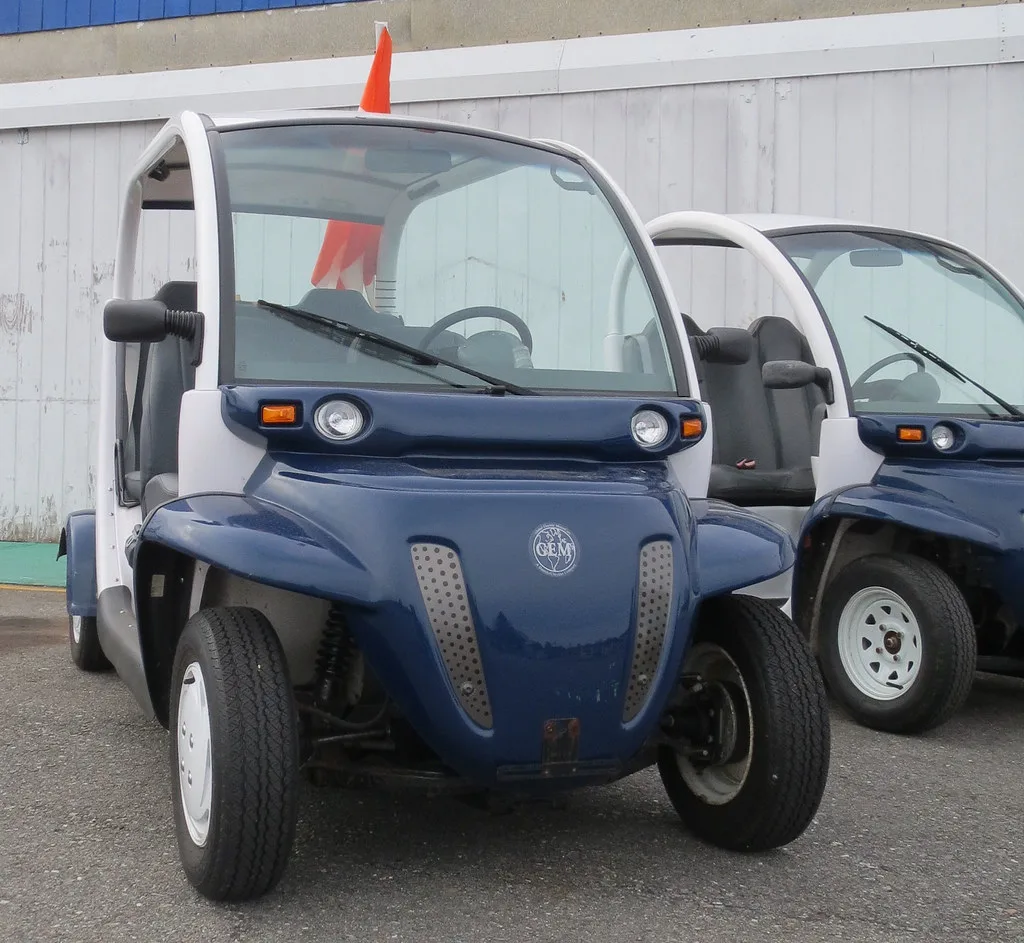
India's push to electrify commercial vehicles is running into a financing wall built for passenger cars. That's the takeaway from a Times of India report published on October 2, 2026, which argues the country needs a different lending model for electric trucks, buses and three-wheelers than the one it used for cars.
The problem is simple. A commercial EV earns money. A car mostly doesn't. Banks that learned to underwrite electric hatchbacks on resale value and personal credit scores are finding those tools don't fit a fleet operator who needs capital to run a route, not a status symbol to park in a driveway.
Why car financing doesn't travel
Passenger car loans in India lean on the borrower's income, the vehicle's brand, and a resale market that, while still thin for EVs, at least exists. Commercial vehicles live in a different world. Their value is tied to the cargo they move, the kilometres they clock, and the contracts they hold. A electric bus in Pune or an e-truck on the Delhi, Jaipur corridor is an income-generating asset, not a depreciating one.
That changes everything about how a lender should look at risk. Instead of asking what the vehicle will be worth in five years, a financier should ask what it will earn next month. The Times of India report points out that India's existing EV financing framework, built largely around cars, doesn't capture that distinction.
What a new model might look like
The report doesn't prescribe a single fix, but the logic points to a few directions:
- Cash-flow-based lending that ties repayments to actual route earnings, not fixed EMIs.
- Battery-inclusive financing, since the battery is the most expensive and most degradable part of the vehicle.
- Risk-sharing with fleet aggregators, OEMs or government-backed guarantee funds.
- Better data on commercial EV performance so lenders can price risk instead of avoiding it.
None of this is exotic. It's how truck financing works in many markets. India just hasn't applied it to electric commercial vehicles at scale.
The stakes for India's clean-energy goals
Commercial vehicles are a small share of India's fleet but a large share of its transport emissions. Electrifying buses, delivery vans and freight trucks would cut diesel use and improve urban air. But that won't happen if every fleet owner has to self-finance the switch or pay interest rates that assume the vehicle is a luxury good.
The Times of India report lands at a time when India's EV policy has focused heavily on cars and two-wheelers. Commercial electrification has lagged, partly because the financing piece was never solved. The report's core point is that you can't copy-paste a car loan onto a truck and expect it to work.
For lenders, the opportunity is real. For fleet operators, the need is urgent. For India's climate targets, the financing gap is a problem that won't close on its own.
Source: The Times of India · 2 Oct 2026
Comments
Be the first to comment.
Leave a comment