
India’s Next Green Energy Leap: Solar, Wind and Policy Moves
India eyes a faster shift to solar and wind, backed by new policy steps and private investment.
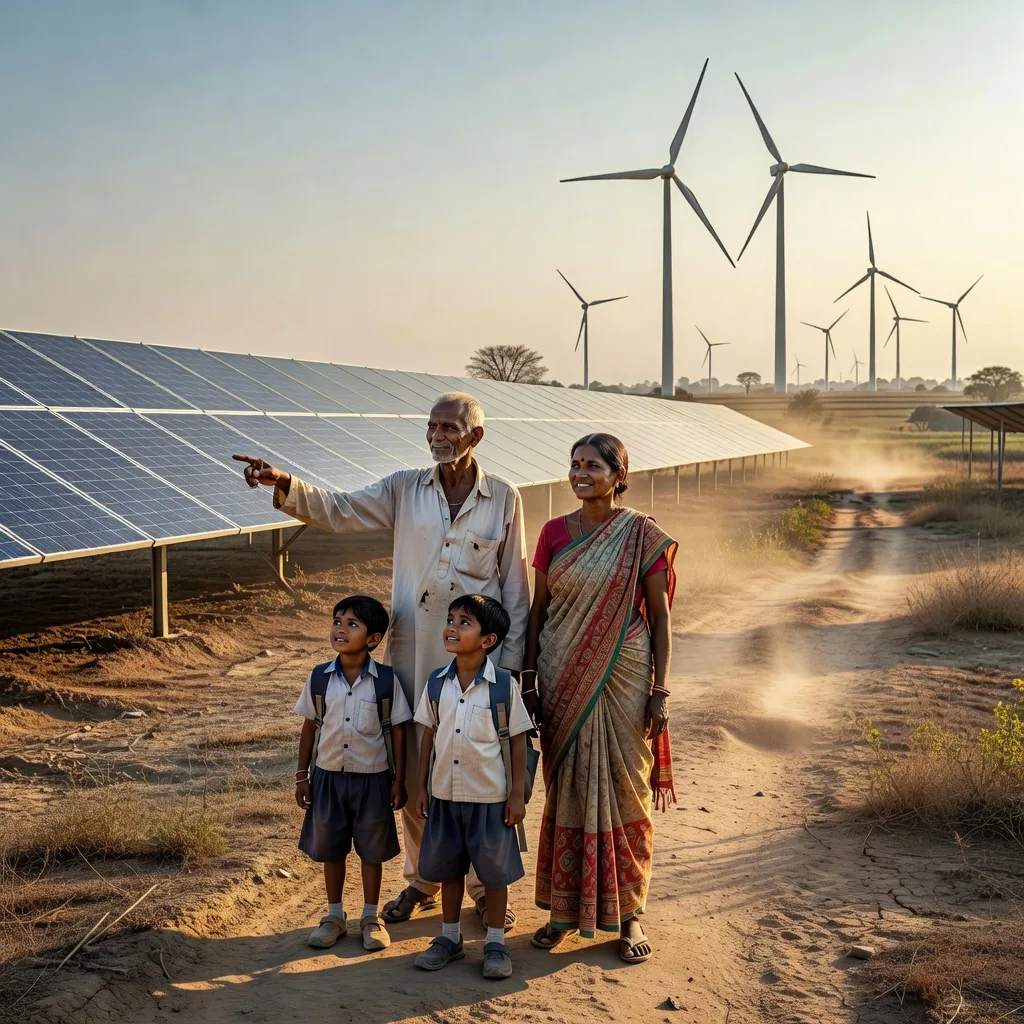
India's current green mix
India has already built a large base of solar farms and wind parks. In 2023 the country generated about 25% of its electricity from renewable sources. That share is set to grow as the government pushes for lower carbon output and cheaper power for homes and industry.
What's next for solar
Solar panels are now cheaper than coal in many parts of the country. The latest tariff cuts let developers use lower‑cost finance and sell power at competitive rates. States such as Gujarat and Rajasthan are opening new zones where land can be allocated quickly. Private firms are also looking at rooftop projects in cities to bring clean power closer to consumers.
- Expand rooftop solar to reach 100 GW by 2030.
- Launch a green‑bond scheme to fund large‑scale farms.
- Streamline land‑use approvals to cut project time.
Wind's role in the transition
Wind power still lags behind solar, but the government plans to grow it by 30 GW in the next five years. Offshore sites off the east coast are being surveyed, and new turbines with higher capacity factors are being imported. The policy push includes higher feed‑in tariffs for wind and tax breaks for local manufacturing.
- Target 15 GW of offshore wind by 2035.
- Support domestic turbine makers with subsidies.
- Encourage hybrid solar‑wind farms in windy states.
Policy push and private investment
The latest budget announced a dedicated clean‑energy fund that will use public money to attract private capital. The fund will use a simple matching model: every rupee from a private investor will be matched by the government, up to a set limit. This model is meant to grow the pipeline of projects without heavy bureaucracy.
In addition, the regulator has eased grid‑connection rules, making it easier for new plants to feed power into the national network. These steps are expected to show a steady rise in renewable capacity and lower electricity bills for end users.
Overall, India's path forward rests on three pillars: keep solar costs falling, build wind capacity in high‑wind zones, and use policy tools that bring more private money into the mix. If these actions stay on track, the country could hit a 50% renewable share by 2035, helping it meet its climate pledge while powering a growing economy.
Comments
Be the first to comment.
Leave a comment