
India’s Renewable Energy Generation Surges 24.7% in June 2026 – Solar and Wind Lead Growth
India's power grid recorded a 24.7% jump in renewable output in June, driven mainly by solar and wind plants.
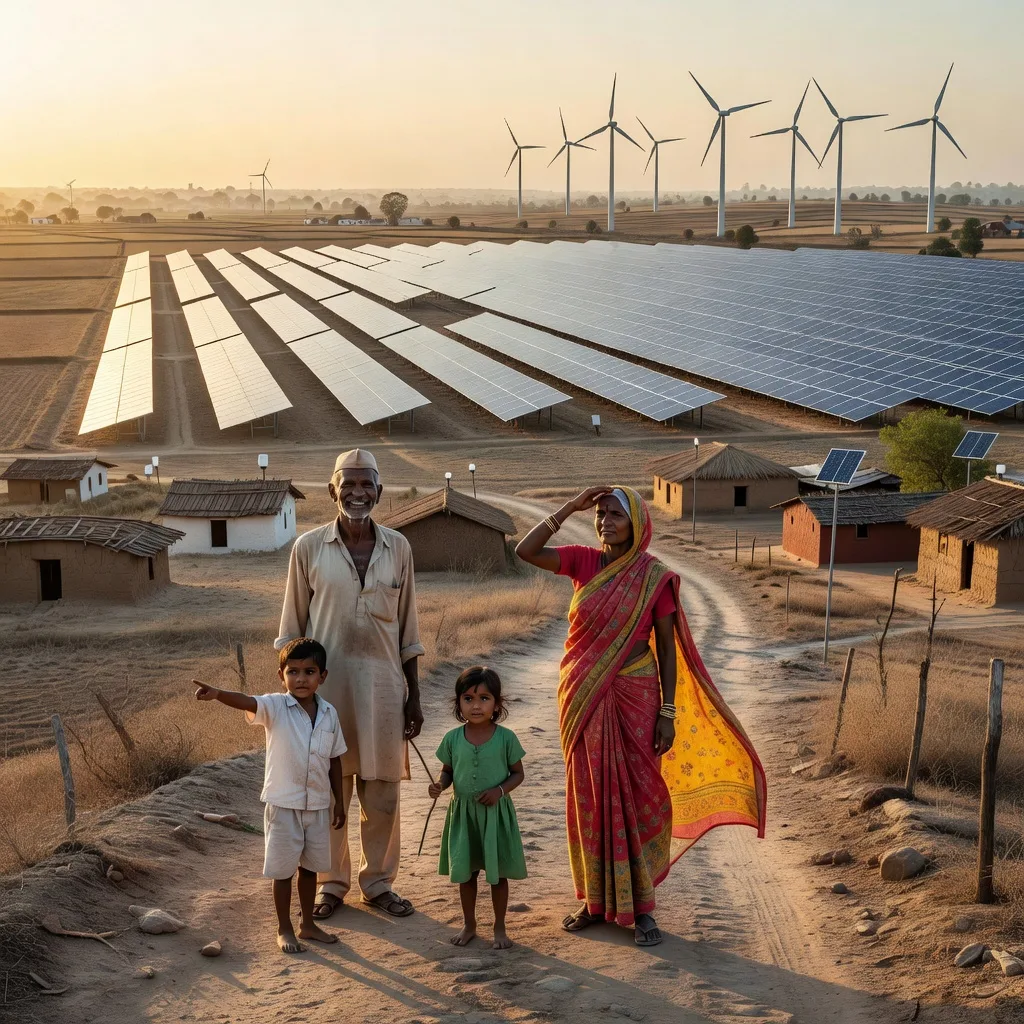
India's electricity system showed a sharp rise in renewable generation in June 2026, posting a 24.7% increase over the same month a year earlier. The lift came largely from new solar farms and expanded wind capacity, which together supplied more than half of the extra power.
Solar power powers the surge
Solar output grew by 28% year‑on‑year, reflecting the faster commissioning of large‑scale photovoltaic (PV) projects in the states of Gujarat, Rajasthan and Madhya Pradesh. The Ministry of New and Renewable Energy (MNRE) said the country added 5.2 gigawatts (GW) of solar capacity in the first half of 2026, a record pace that helped push daily generation to an average of 23.4 terawatt‑hours (TWh) in June.
Wind farms add momentum
Wind generation rose 21% in the same period, thanks to the completion of offshore wind farms off the coast of Gujarat and the ramp‑up of on‑shore turbines in Tamil Nadu. Total wind capacity reached 12.8 GW, up from 10.5 GW a year ago, and delivered an average of 9.1 TWh in June.
Impact on the grid and emissions
The jump in clean power helped lower the share of coal in the national mix from 55% to 48% in June, cutting carbon dioxide emissions by an estimated 12 million tonnes. Grid operators reported fewer curtailments, meaning less renewable energy was wasted because of supply‑demand mismatches.
Policy and market backdrop
Several policy moves have underpinned the growth. The government kept the target of 450 GW of renewable capacity by 2030 and extended tax incentives for solar and wind developers. At the same time, the power market's reverse‑auction mechanism kept tariffs low, encouraging private investment.
- Solar capacity added in H1 2026: 5.2 GW
- Wind capacity added in H1 2026: 2.3 GW
- Coal's share of generation in June 2026: 48%
- Estimated CO₂ reduction in June 2026: 12 million tonnes
Challenges remain
Despite the gains, analysts note that transmission bottlenecks still limit the full use of renewable output in some regions. Storage capacity also needs to grow to smooth out the variability of solar and wind. The government has announced plans for a 30 GW battery storage programme, but large‑scale deployment will take time.
Overall, the June figures show that India is on track to meet its renewable targets, but sustained investment in grid upgrades and storage will be crucial to keep the momentum going.
Comments
Be the first to comment.
Leave a comment