
India's solar capacity hits 175 GW, up from 2.8 GW in 2014: Pralhad Joshi
The Union minister cited the jump as proof of the government's renewable push, though the figure covers installed capacity, not round-the-clock generation.
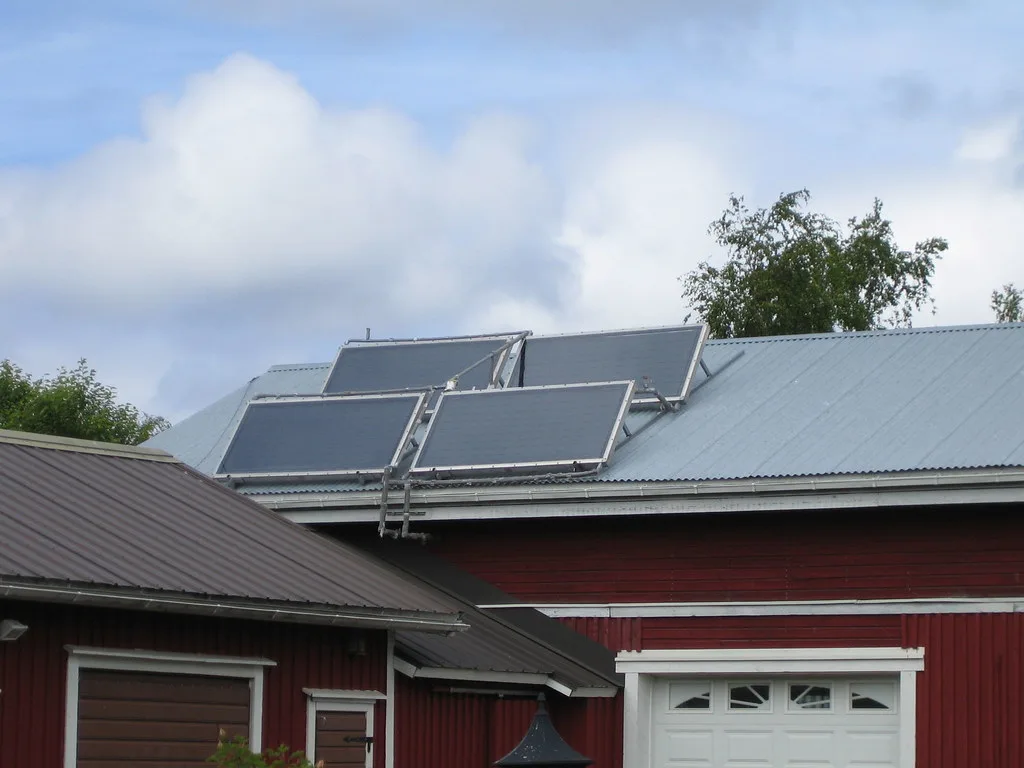
India's installed solar power capacity has climbed to 175 GW, up from 2.8 GW in 2014, Union Minister Pralhad Joshi said. The minister put the numbers out in a statement reported by Daily Excelsior on Friday.
The jump works out to roughly a 60-fold rise over twelve years. In 2014, solar was a sliver of the country's power mix. Now it is the largest slice of India's non-fossil capacity.
What the numbers cover
The 175 GW figure is installed capacity, the peak output a plant can deliver under full sun. Actual generation depends on weather, grid demand and how much of that capacity is connected and running. Solar farms don't produce at night, and output dips during the monsoon.
Joshi, who holds the new and renewable energy portfolio, has used the comparison before. The 2.8 GW baseline is the capacity inherited by the government that took office in 2014.
How the build-out happened
Most of the growth came through large utility-scale parks in states like Rajasthan, Gujarat, Karnataka and Andhra Pradesh. Tenders run by the Solar Energy Corporation of India drove tariffs down sharply, and developers raced to win contracts. Rooftop solar grew too, though at a slower pace and mostly in the commercial and industrial segment.
- Installed solar capacity: 175 GW
- Capacity in 2014: 2.8 GW
- Growth: about 60 times in twelve years
The minister's statement did not break the total down by rooftop versus utility-scale, or by state.
The grid question
Adding capacity is one thing. Absorbing it is another. India's grid operators have had to manage record midday solar peaks, and in some states have curtailed solar output when demand didn't match supply. Storage is still thin. Battery-linked tenders are growing but remain a small share of the pipeline.
Transmission has been the other bottleneck. Solar-rich states in the west and south need to move power to load centres elsewhere, and line construction has lagged plant commissioning in several cases.
Joshi's statement framed the capacity number as a marker of progress. It is a big number. Whether the grid, storage and distribution companies keep pace is the harder question, and one the 175 GW headline doesn't answer.
Source: Daily Excelsior · 13 Nov 2026
Comments
Be the first to comment.
Leave a comment