
India's solar capacity hits 175 GW, up from 2.8 GW in 2014: Pralhad Joshi
The Union minister's figures put the twelve-year jump at roughly 62 times the 2014 base, with solar now the largest slice of India's non-fossil power fleet.
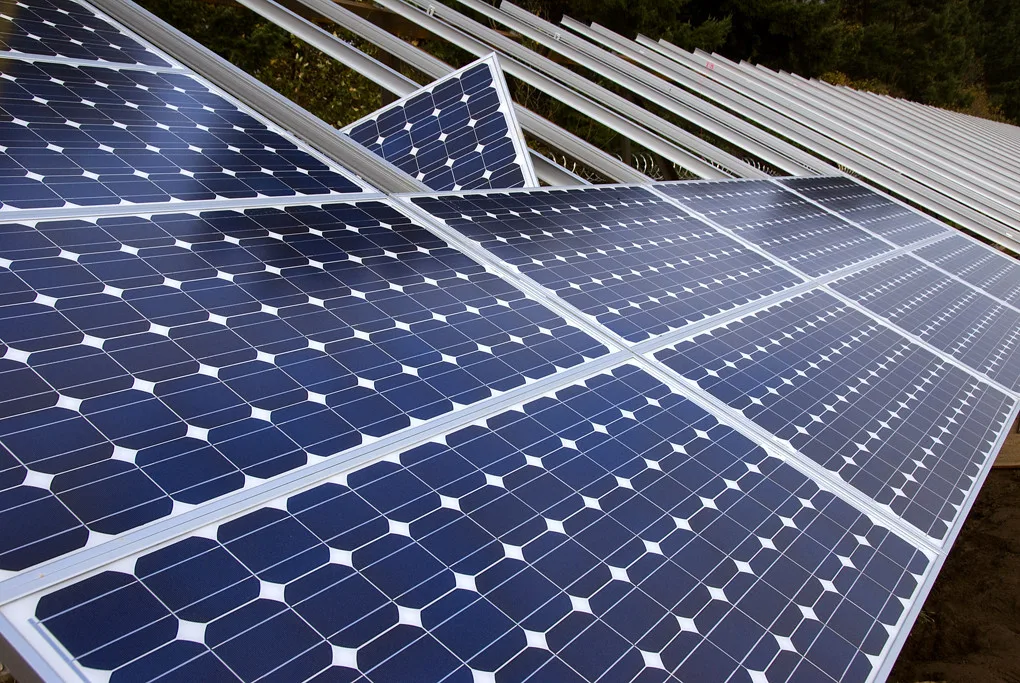
India's installed solar power capacity has reached 175 GW, up from 2.8 GW in 2014, Union Minister Pralhad Joshi said. The numbers, reported by Daily Excelsior, put the twelve-year expansion at about 62 times the base recorded when the Narendra Modi government took office.
Joshi, who holds the new and renewable energy portfolio, has repeated the 2014 comparison at several public events as the government pushes its clean-energy record. The 2.8 GW figure refers to grid-connected solar at the start of that period. The 175 GW figure is the cumulative installed tally.
What the jump means on the ground
Most of the growth has come from utility-scale parks in Rajasthan, Gujarat, Karnataka and Andhra Pradesh, where large tracts of dry land and strong irradiation made early projects cheap to build. Rooftop solar has grown too, though at a slower clip, held back by net-metering rules that vary from state to state and by financing hurdles for households.
The capacity number counts what is installed, not what is generated. Solar farms run at far lower utilisation than coal plants because the sun doesn't shine at night, so 175 GW of panels does not displace an equal amount of thermal capacity. Grid managers have had to work around the midday bulge and the evening drop, and storage is still thin.
India's target under its updated climate commitments is 500 GW of non-fossil capacity by 2030. Solar is the biggest single lever in that plan, with wind a distant second. Getting from 175 GW to the solar share of that target means adding capacity at a pace the country has not yet sustained for a full year.
Land, grids and the next leg
Transmission is the bottleneck most developers flag. Solar-rich districts in the west and south often sit far from the load centres in the east and north, and substation queues have delayed projects that were otherwise ready. Land aggregation is the other drag. A single 500 MW park can need well over 1,000 hectares, and assembling that without disputes takes years.
Module supply has shifted too. Domestic manufacturing capacity has grown under the production-linked incentive scheme, and customs duties on imported cells and modules have changed the cost math for developers. How much of the 175 GW was built with domestic equipment is a question the ministry hasn't answered in public.
Joshi's comparison stops at 2014. It doesn't say how much of the 175 GW is rooftop, how much is off-grid, or how much capacity is stranded for want of evacuation lines. Those details sit in ministry and Central Electricity Authority data that get updated monthly.
The 2.8 GW figure itself is a reminder of how small the base was. In 2014, India's solar fleet was smaller than what a single large park in Rajasthan can hold today.
Source: Daily Excelsior · 13 Nov 2026
Comments
Be the first to comment.
Leave a comment