
India’s Solar Capacity Jumps 57‑Fold to 162 GW, Parliament Says
The government told lawmakers the nation's installed solar power has risen from about 2.8 GW in 2014 to 162.15 GW today.
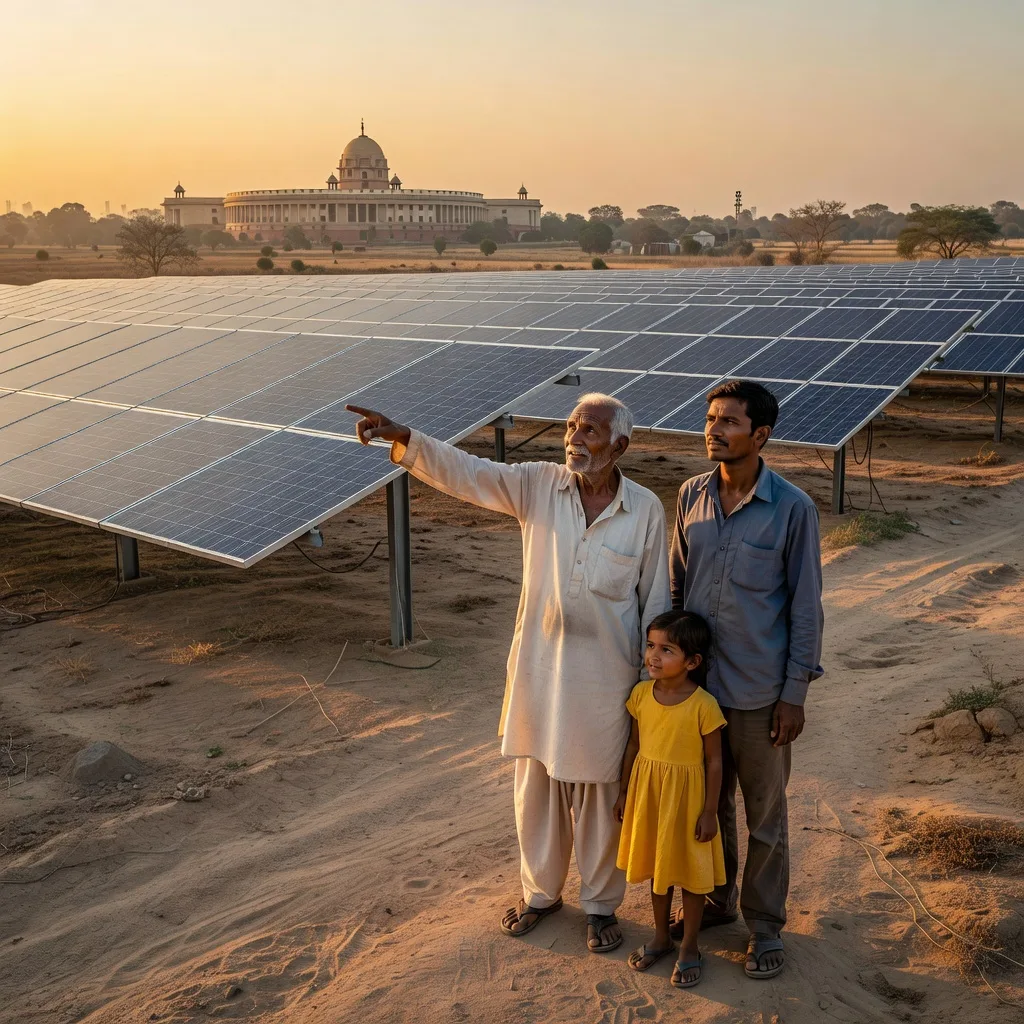
Massive rise since 2014
In a statement to Parliament, India's Ministry of Power said the country's installed solar capacity has grown 57 times since 2014, reaching 162.15 gigawatts (GW). In 2014 the nation had roughly 2.8 GW of solar power, enough to run a few small towns. Today the figure can power millions of homes and feed the grid across the sub‑continent.
Key factors behind the surge
Several policies and market moves have helped the sector build momentum. The government rolled out large‑scale solar parks, offered tax breaks for developers, and set a target of 280 GW of renewable capacity by 2030. State‑run utilities have also used more solar in their procurement plans, giving private firms a steady market.
- Clear price‑based auctions let developers bid competitively, driving down tariffs.
- Financing options improved as banks and green funds began to use solar projects as collateral.
- Declining hardware costs, panels and inverters now cost a fraction of what they did a decade ago, made projects more affordable.
Challenges that remain
Even with the rapid growth, the sector faces hurdles. Land acquisition can be slow, especially in densely populated states. Grid operators still need to upgrade transmission lines to handle the intermittent nature of solar power. Storage solutions are in early stages, and without them the grid can struggle during cloudy periods.
Another concern is the quality of some installations. The ministry warned that sub‑standard equipment could cut efficiency and raise maintenance costs. To address this, it plans stricter certification checks and more training for installers.
What the future may hold
officials expect the pace to keep up. The government has pledged to add another 30 GW of solar capacity each year through 2027. International investors are showing interest, drawn by India's large market and stable policy framework.
Experts say the next step is to pair solar farms with battery storage and to expand rooftop solar on homes and businesses. If these moves succeed, solar could supply a sizable share of India's electricity demand and help the country meet its climate goals.
Overall, the 57‑fold jump shows how quickly solar can grow when the right rules are in place. The sector still needs support to smooth out supply chains, improve grid integration, and keep costs low, but the trend points toward a brighter, cleaner energy mix for India.
Comments
Be the first to comment.
Leave a comment