
India’s Solar Curtailment Hits 8,133 GWh in April‑June, Govt Says
The Ministry reports that solar generators were forced to cut output by over 8,100 GWh in the first half of the year, sparking calls for grid upgrades.
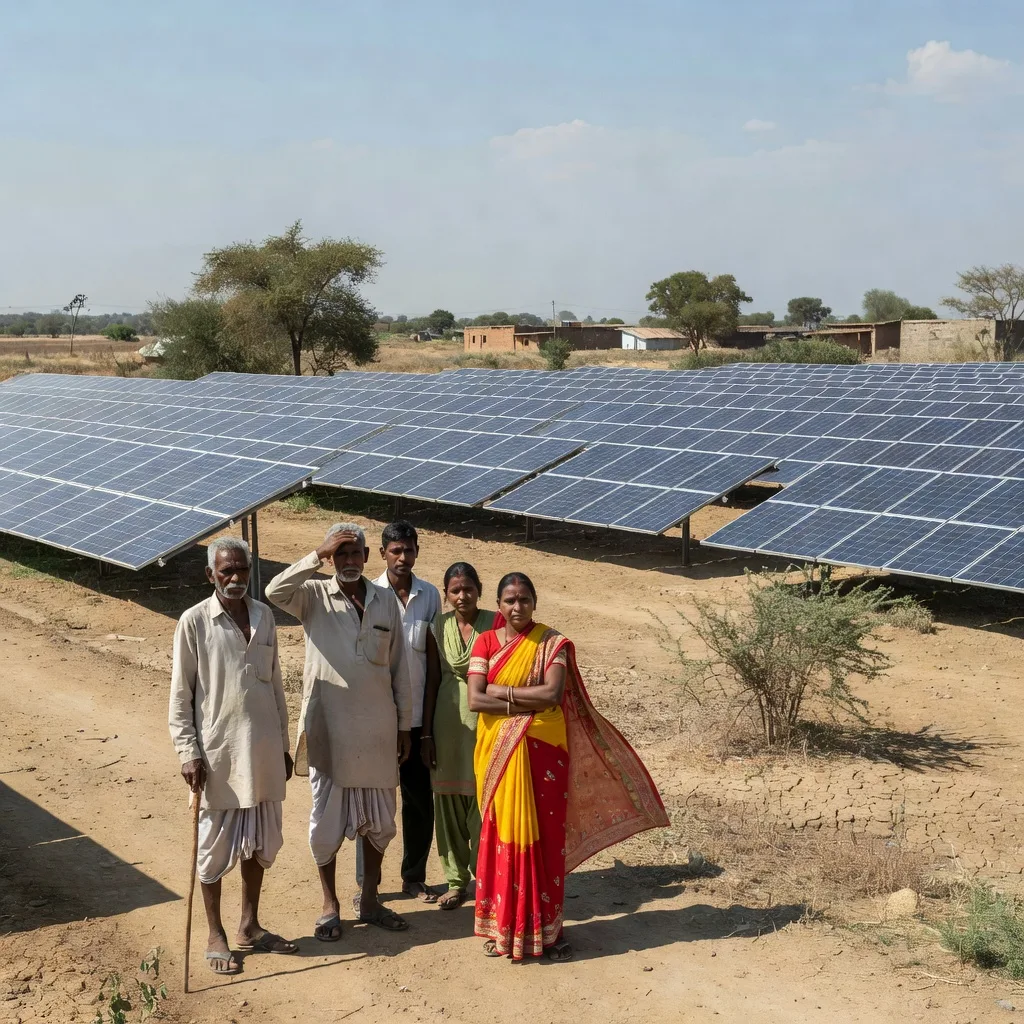
Record curtailment recorded
The Ministry of Power told EnergyWorld that solar power curtailment reached 8,133 gigawatt‑hours (GWh) between April and June of the current year. The figure is the highest ever recorded for a three‑month period and signals that the grid is still struggling to absorb the fast‑growing solar fleet.
Why curtailment rose
Officials say the surge stems from three main factors. First, many new solar parks came online faster than transmission lines could be built. Second, seasonal cloud cover reduced output in several states, leaving operators with less power to feed the grid. Third, demand fell in the aftermath of higher fuel prices, leaving a gap between supply and consumption.
When the grid cannot take all the power that solar farms produce, owners must turn off panels or run them at reduced capacity. That loss is counted as curtailment.
Impact on renewable goals
India has pledged to reach 500 GW of renewable capacity by 2030, with solar slated to provide about 300 GW. The latest curtailment data shows that without more solid infrastructure, the country could miss its target.
Analysts warn that each gigawatt‑hour of curtailment represents lost revenue for developers and higher costs for consumers, who still rely on fossil‑fuel plants to fill the shortfall.
Government response
The Ministry said it will speed up the build of high‑voltage lines and upgrade substations in the most affected regions. It also plans to improve forecasting tools so that grid operators can better match supply with demand.
In addition, the government will look at policies that encourage solar farms to store excess power, such as battery installations and pumped‑hydro projects. These measures aim to grow the amount of solar that can be used rather than wasted.
Industry reaction
Solar developers said the curtailment numbers are a wake‑up call. One senior executive noted that the sector must work with states to align new projects with grid capacity.
"We need to use the grid more efficiently and plan new farms where the network can take the power," the executive said.
What comes next
Experts say the next few months will be critical. If the grid upgrades keep pace with new solar capacity, curtailment could fall sharply. If not, the loss could grow, slowing the shift away from coal.
For now, the Ministry will monitor curtailment weekly and report any major changes to the public.
Comments
Be the first to comment.
Leave a comment