
India's solar open access market adds record 8.4 GW in first nine months of 2026
A new report puts the nine-month addition at an all-time high for the segment, which lets commercial and industrial buyers contract power directly from solar projects.
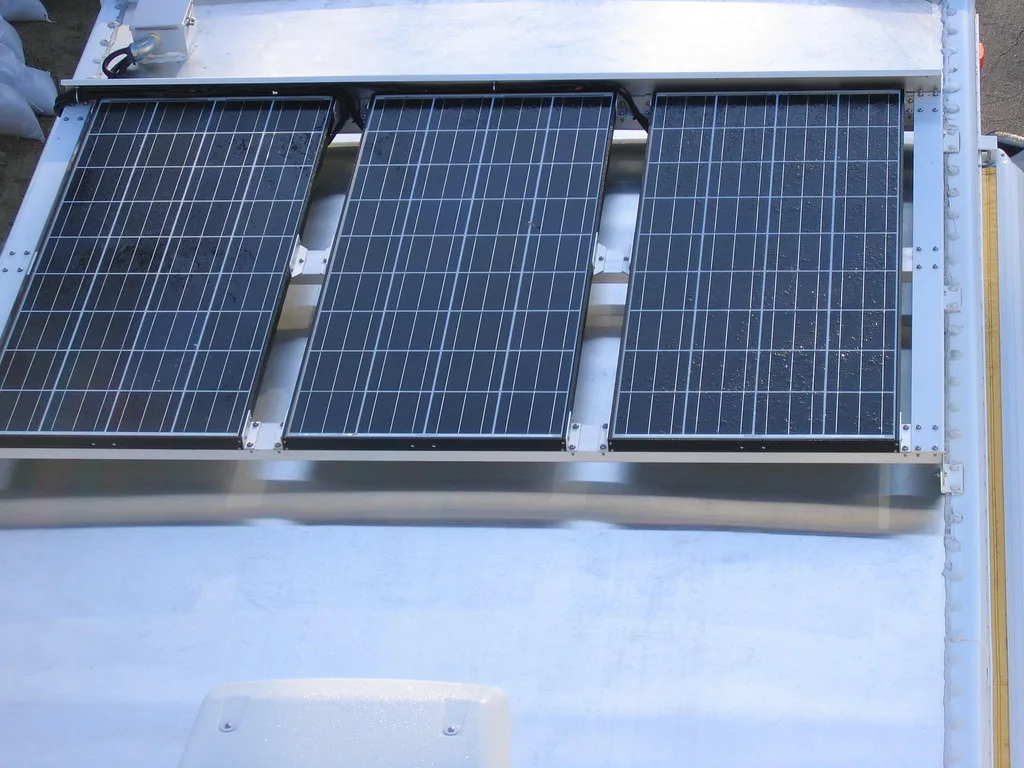
India's solar open access segment added 8.4 GW of capacity in the first nine months of 2026, a record for the category, according to a report cited by ET EnergyWorld on Wednesday.
The figure covers January to September and marks the strongest nine-month stretch the open access market has seen. Open access lets commercial and industrial consumers buy power from solar generators instead of taking it only from their distribution company, usually through a long-term power purchase agreement or a captive arrangement.
The report did not break the 8.4 GW down by state, developer or buyer in the summary available. It also did not give a year-on-year comparison figure.
Why the segment is growing
Large power consumers have been signing more solar contracts as tariffs from state distribution companies stay high and as open access rules have loosened in several states. For a factory or a data centre, a solar open access deal can shave a few rupees off every unit of power it buys. Over a year, that adds up.
The segment has also drawn developers because projects can be built without waiting for a state utility to sign a power purchase agreement. The buyer is the anchor. That shortens the gap between sanction and construction.
Record additions in a nine-month window suggest the pipeline is moving faster than it did in earlier years. The 8.4 GW figure is the clearest sign yet that the market has scaled beyond a niche.
What the number doesn't say
Capacity added is not the same as power delivered. Open access projects face curtailment in some states, and banking rules for surplus power vary widely. A project can be commissioned and still run below its rated output if the grid backs down.
Transmission charges and cross-subsidy surcharges also decide whether a deal works. Several states have revised these charges in the past two years, and each revision changes the maths for buyers.
The report's headline number lands in a year when India's overall solar additions have stayed strong. Rooftop, utility-scale and open access have all contributed, though at different paces.
What to watch
The last quarter of 2026 will decide the full-year total. Developers typically push commissioning into the January-March window to meet deadlines, so the October-December quarter can look thin on paper.
State-level policy will matter more than anything else. Maharashtra, Gujarat, Tamil Nadu and Karnataka have led open access capacity in recent years, and any change to their banking or surcharge rules can slow or speed up deals.
The 8.4 GW figure is a record for nine months. Whether it holds as a full-year record depends on how the next three months close.
Source: ET EnergyWorld · 18 Nov 2026
Comments
Be the first to comment.
Leave a comment