
India's solar capacity, schemes and targets: what the numbers show
A look at where India's solar build-out stands, the schemes driving it, and the targets still ahead.
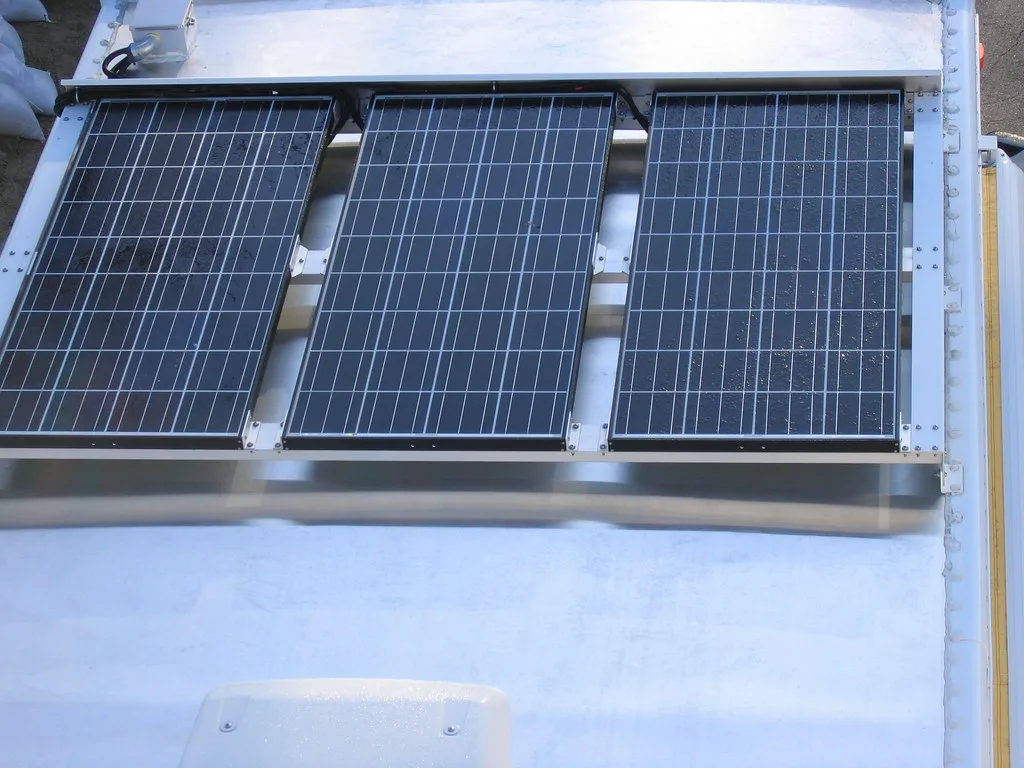
India's solar sector has grown fast over the past decade, and the government has set a target of 500 GW of non-fossil fuel capacity by 2030. Solar sits at the centre of that plan. The Utkarsh Classes explainer on India's solar growth lays out the capacity picture, the schemes behind it, and the targets still to be met.
Solar capacity has climbed steadily, driven by falling module prices and a steady pipeline of tenders. Large ground-mounted parks in states like Rajasthan, Gujarat and Karnataka account for most of the installed base. Rooftop solar has grown too, though at a slower pace than utility-scale projects.
The schemes doing the work
Several central schemes underpin the build-out. The PM-KUSUM scheme targets solar pumps and decentralised solar for farmers. The PM Surya Ghar: Muft Bijli Yojana pushes rooftop solar for households. The National Solar Mission, launched in 2010, set the early direction. Together they cover utility-scale parks, rooftop systems and off-grid applications.
- PM-KUSUM: solar pumps and decentralised solar for agriculture
- PM Surya Ghar: rooftop solar for residential consumers
- National Solar Mission: the original framework for solar targets
Manufacturing has become part of the story. The government has pushed domestic module and cell production through production-linked incentives, aiming to cut reliance on imports. That push matters for supply security, though domestic capacity is still catching up with demand.
Targets and the gap
The 500 GW non-fossil target by 2030 is the headline number. Solar is expected to carry the largest share of that. Reaching it means adding capacity at a pace India has not sustained before, and the gap between installed capacity and the target remains wide.
Land, transmission and financing are the usual bottlenecks. Grid connectivity for large parks has lagged in some states, and rooftop adoption faces its own hurdles around financing and awareness.
The Utkarsh Classes explainer sets out the capacity figures, scheme details and target timelines in one place. For readers tracking India's energy transition, it's a useful reference on where solar stands and what's still to be built.
Source: Utkarsh Classes · 17 Nov 2026
Comments
Be the first to comment.
Leave a comment