
India's Solar Cell Rush: Smaller Manufacturers Weigh Tie-Ups to Stay in the Game
As India pushes domestic cell and wafer capacity, smaller solar firms are asking whether partnerships are the only route left to survive.
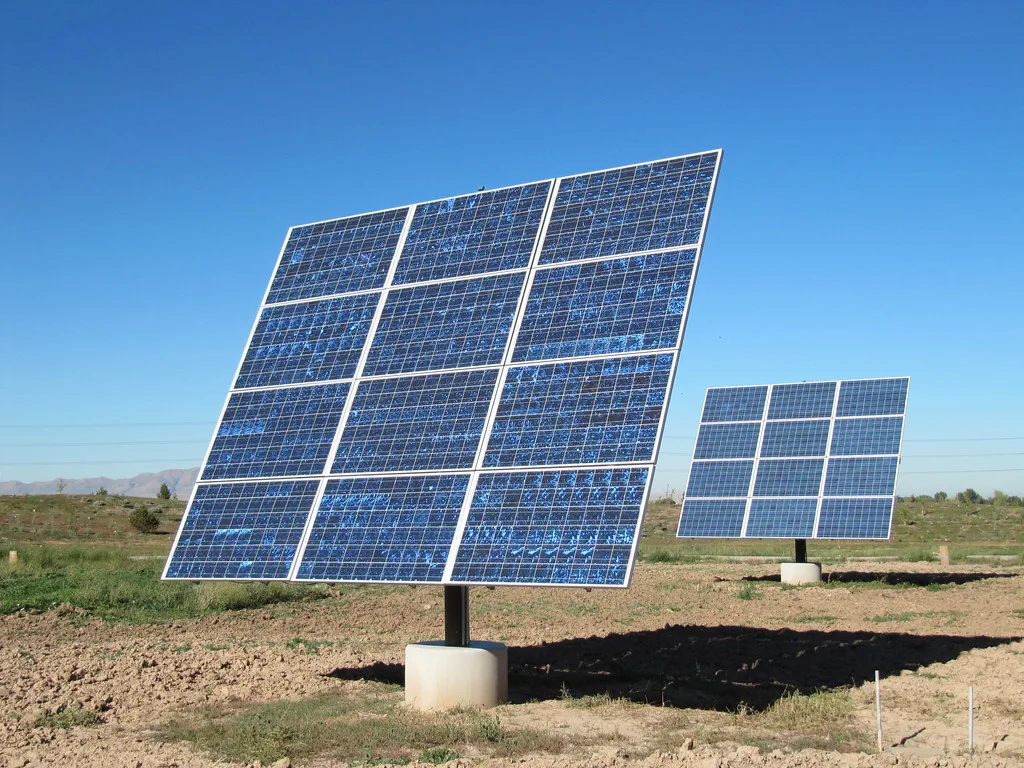
India's solar manufacturing map is filling up with cell lines. The question Saur Energy raises in its latest report is who gets to run them, and whether the smaller names can go it alone.
The rush into solar cells follows years of module assembly dominating the country's manufacturing base. Modules are the easier end of the chain. Cells need more capital, steadier process control and a supply of wafers that India still largely imports.
That gap is where the smaller players feel the squeeze. A cell plant runs on thin margins and thick upfront spending. For a mid-sized firm without a deep balance sheet, the arithmetic gets uncomfortable fast.
Why tie-ups are on the table
Joining hands can take several shapes. A smaller manufacturer might pair with a larger one for offtake, share a technology licence, or pool capital into a joint venture. Each route trades some independence for a better shot at staying open.
The logic is straightforward. Scale brings bargaining power on equipment and wafers. It also helps when dealing with lenders, who tend to look harder at a standalone cell maker than at a consortium with a proven anchor.
Saur Energy's report frames the shift as a survival question rather than a growth story. That framing matters. The companies weighing partnerships are not chasing expansion for its own sake. They are working out how to hold their position as the domestic cell market matures.
The policy backdrop
New Delhi has spent the past few years pushing self-reliance in solar. Duties on imported cells and modules, along with production-linked incentives, have pulled investment into domestic lines. The result is a crowded field, with large conglomerates and established energy firms announcing capacity at a steady clip.
More capacity is good for the country's energy security. It is harder on the firms that moved early and now find themselves outgunned. When the big players add gigawatts, the smaller ones need a reason to be kept in the supply chain.
Partnerships offer one such reason. A large developer may prefer a known partner with a smaller, flexible line over building everything in-house. Technology sharing can also let a smaller firm skip some of the costly trial and error that comes with a first cell plant.
What's still unclear
The report does not settle how many smaller firms are actually in talks, or what the terms look like. Consolidation talk in Indian solar has run ahead of signed deals before. Announced partnerships have a habit of stalling at the due diligence stage.
There is also the wafer question. Cell capacity without a steady wafer supply is a plant waiting on ships. Until domestic wafer and ingot capacity scales, even well-funded cell makers remain exposed to import cycles and price swings.
For now, the smaller players have a choice in front of them. Build alone and carry the full risk, or find a partner and give up a slice of the upside. The ones that pick the second option will be watching whether the market rewards scale over independence.
Source: Saur Energy · 16 Nov 2026
Comments
Be the first to comment.
Leave a comment