
India's Solar Output Jumps 57% in June, Leaving Wind Far Behind
Solar generation rose 57% in June, while wind output slipped, widening the gap between the two renewables.
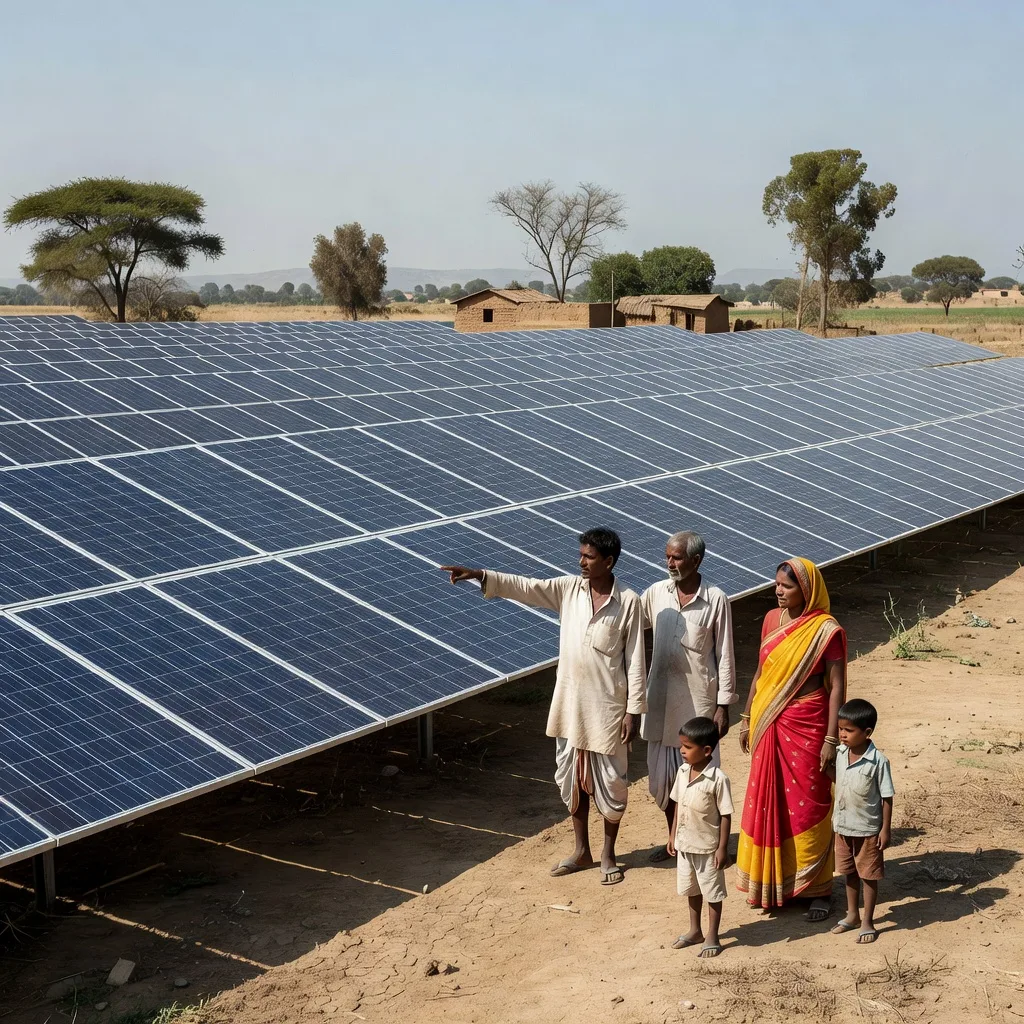
New data released by the Ministry of Power shows that India's solar generation grew 57% in June compared with the same month last year. Wind power fell 3% over the same period, widening the gap between the two sources.
What the numbers say
The ministry's monthly report recorded 45.2 terawatt‑hours (TWh) of solar electricity in June 2024, up from 29.0 TWh in June 2023. Wind generation dropped to 13.8 TWh from 14.2 TWh a year earlier. The overall share of solar in the power mix rose to 12.6%, while wind's share slipped to 3.9%.
Why solar is growing fast
Several factors helped solar grow. The government kept the auction schedule for large solar parks, allowing developers to lock in tariffs that are close to the cost of building new plants. States also used more rooftop schemes and pushed utilities to buy solar power under long‑term contracts. In addition, the monsoon delayed some wind projects, while clear skies in many regions kept solar panels running at high output.
Wind's recent dip
Wind power faced a tougher set of conditions. Low wind speeds in the northern and western zones reduced output. Some older wind farms also ran into maintenance backlogs, and a few projects were delayed while land clearances were sorted out. The dip was small in absolute terms but enough to pull wind's growth rate into negative territory.
Impacts on the energy mix
The widening gap changes how the grid balances supply. Solar's quick rise means grid operators rely more on battery storage and flexible gas plants to cover evenings and cloudy days. Wind's slower growth means less need for those short‑term measures, but it also reduces the diversity of clean power sources.
Government response
Minister Piyush Goyal said the government will keep the policy push for solar strong. He promised to speed up approvals for new solar parks and to expand the financial incentives for rooftop installations. At the same time, the ministry said it will look at ways to improve wind forecasting and to clear bottlenecks that hold up new wind farms.
What comes next
Analysts expect solar to keep growing as new capacity comes online and as the cost of panels stays low. Wind may bounce back if the monsoon season improves and if pending projects get cleared. Both sources are needed to meet India's target of 450 gigawatts of renewable capacity by 2030.
For now, the data shows a clear tilt toward solar, and the gap between solar and wind is likely to stay wide unless wind‑related issues are addressed quickly.
Comments
Be the first to comment.
Leave a comment