
Nava opens 100-MW solar plant in Zambia
The Indian renewables firm has switched on its first Zambian solar project, adding 100 MW to a grid that leans heavily on hydropower.
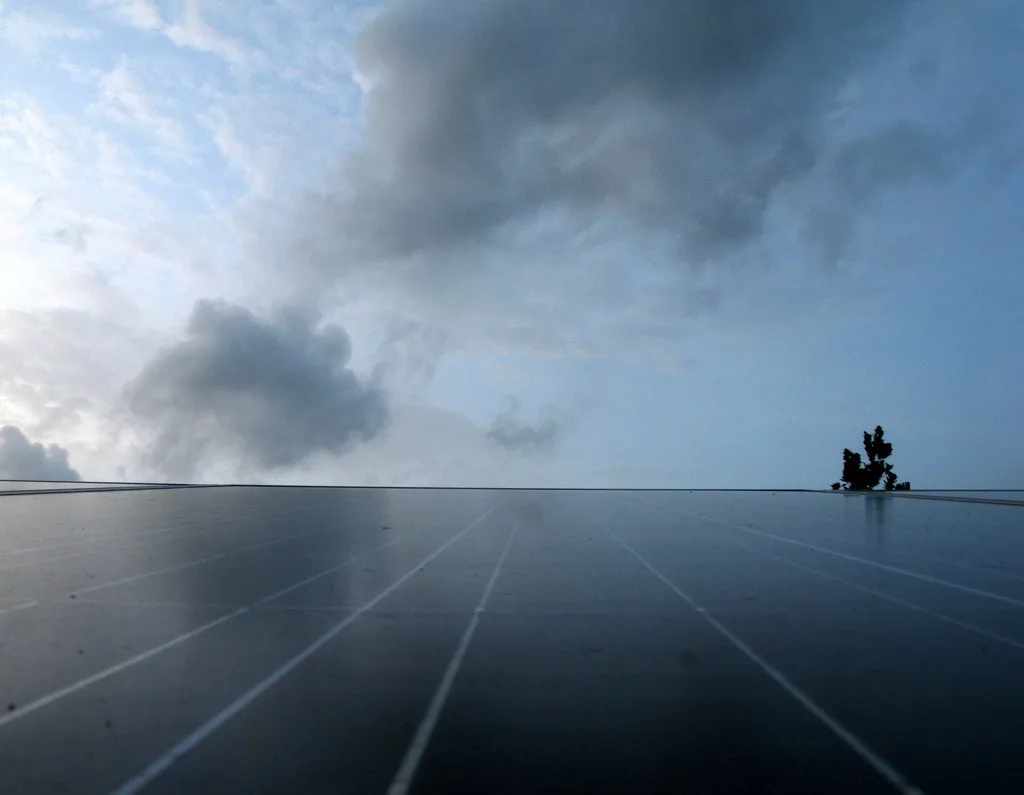
Indian clean-energy company Nava has opened a 100-MW solar power plant in Zambia, according to a report by Renewables Now. The plant is now feeding power into the Zambian grid.
The project marks Nava's entry into Zambia's power market. Details on the site, the exact commissioning date and the offtake arrangement weren't in the initial report.
Zambia gets most of its electricity from hydropower. That's a problem when the rains fail. A string of dry years has cut output from the big dams on the Zambezi, and the country has leaned on imports and load shedding to keep the lights on. Solar fills part of that gap, and it does so fast, a 100-MW plant can be built in a year or two, not the decade a large dam takes.
Why Indian firms are looking abroad
Nava isn't alone. Indian solar developers have been pushing into Africa for a few years now, chasing markets where demand is growing and the sun is reliable. Zambia fits that bill. The country has set a target of 3,000 MW of installed capacity by 2030, with solar expected to carry a big share of the new build.
For Nava, the Zambia plant is a first step outside its home market. The company has built a portfolio in India across solar, wind and hybrid projects. Taking that playbook to Africa means competing with Chinese, European and Gulf developers who got there earlier.
The 100-MW size is modest by Indian standards. India added more than 15 GW of solar in a single recent year. But in Zambia, 100 MW is a meaningful chunk of the national grid, which peaks at around 2,400 MW.
What's still unclear
- Where in Zambia the plant is located
- Who buys the power and under what tariff
- How the project is financed
- Whether Nava has more Zambian projects in the pipeline
Zambia's state utility, ZESCO, has been signing more independent power deals as it tries to diversify away from hydro. Solar tariffs in the region have fallen sharply, with some recent African tenders clearing below 4 US cents per kWh.
Nava's move comes as India's own solar market gets more crowded. Domestic developers face land hurdles, transmission bottlenecks and falling margins. Africa offers room to grow, though it comes with currency risk, weak grids and payment delays that have burned other developers.
The Zambian plant is now online. Whether it becomes the first of many for Nava on the continent depends on how the next few projects go.
Source: Renewables Now · 24 Sep 2026
Comments
Be the first to comment.
Leave a comment