
Parliamentary Committee Reviews Wind Plans – India Eyes 100% Target by 2030
A joint parliamentary panel examined the government's wind power roadmap as the nation pushes for full renewable electricity by 2030.
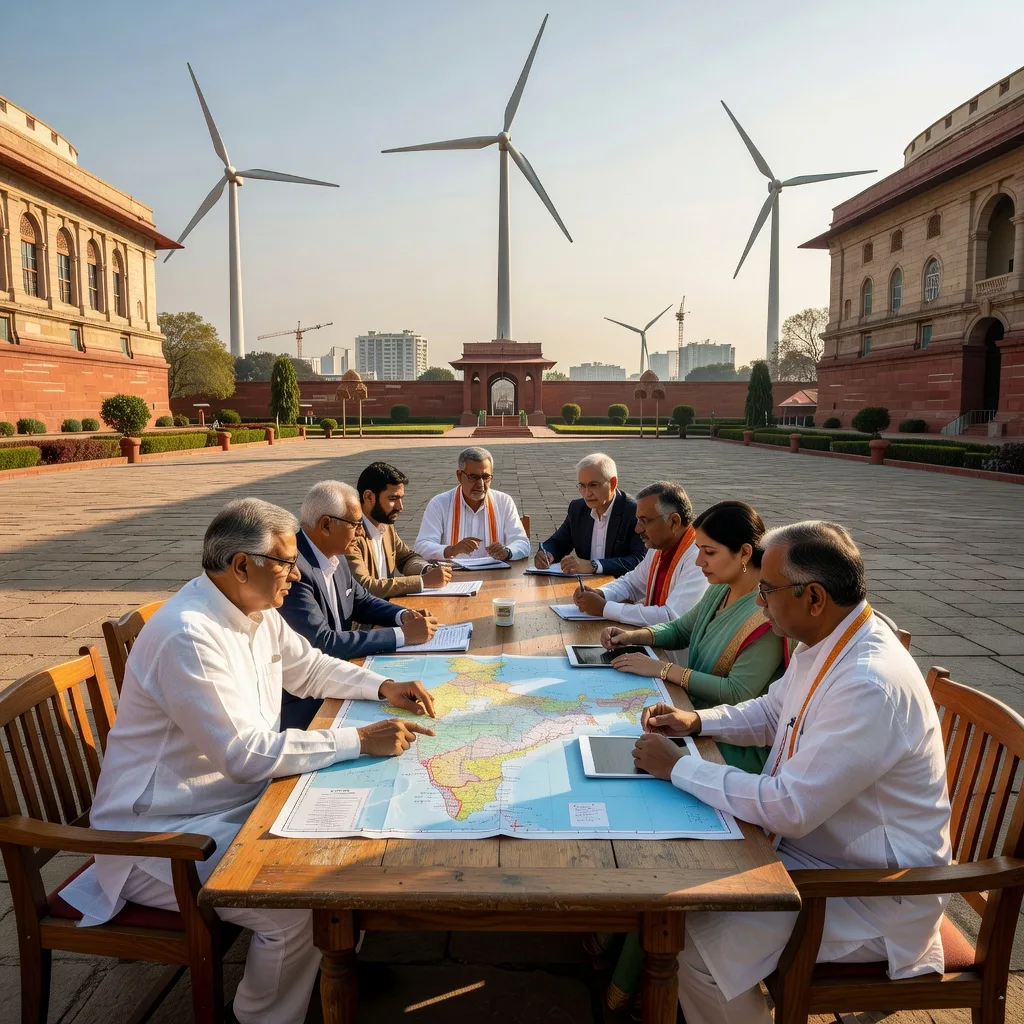
Committee hearing
The Standing Committee on Energy met on Tuesday to look at the draft wind energy plan that the Ministry of New and Renewable Energy (MNRE) submitted last month. Members asked officials to explain how the country will meet the goal of generating all its electricity from renewable sources by 2030, with wind expected to supply a large share.
Chairperson Smt. Meena Kumari opened the session by noting that India has already installed about 45 gigawatts of wind capacity, but that figure must more than double to hit the target. She asked the MNRE to show a clear timeline and to build a financing model that can grow without creating fiscal strain.
Key issues raised
- Availability of land for new wind farms, especially in coastal and desert zones.
- Speed of grid upgrades to handle variable wind output.
- Policy certainty for private investors amid recent changes in subsidy rules.
- Impact on local communities and the need for fair compensation.
Committee members pressed the ministry to use existing transmission corridors where possible, to avoid costly new lines. They also asked for a plan to train local workers in turbine maintenance, arguing that a skilled workforce will help keep projects on schedule.
Government response
MNRE Secretary Rajesh Sharma said the ministry has already mapped over 30,000 square kilometres suitable for wind development. He said the next step is to invite bids for these sites in the upcoming auction round, which will start later this year.
Sharma also said the government will work with state utilities to upgrade substations and install smart‑grid technology. He promised a new policy brief that will lay out tax incentives and loan guarantees for developers who meet environmental and social standards.
Outlook
Analysts note that the plan's success will depend on how quickly the government can clear land hurdles and secure financing. They point out that while solar has seen rapid price drops, wind still faces higher upfront costs and longer project cycles.
"If the committee can push for clear, actionable steps, we could see wind capacity grow at a pace that matches the renewable target," said energy consultant Anil Verma.
The committee will submit its report to the Parliament's lower house within the next month. The findings will shape the final version of the wind energy plan and could influence the broader renewable strategy that the government aims to meet by the end of the decade.
Comments
Be the first to comment.
Leave a comment