
Renewable energy is reshaping how Indian factories compete
Clean power is moving from a sustainability footnote to a line item that decides who wins industrial contracts.
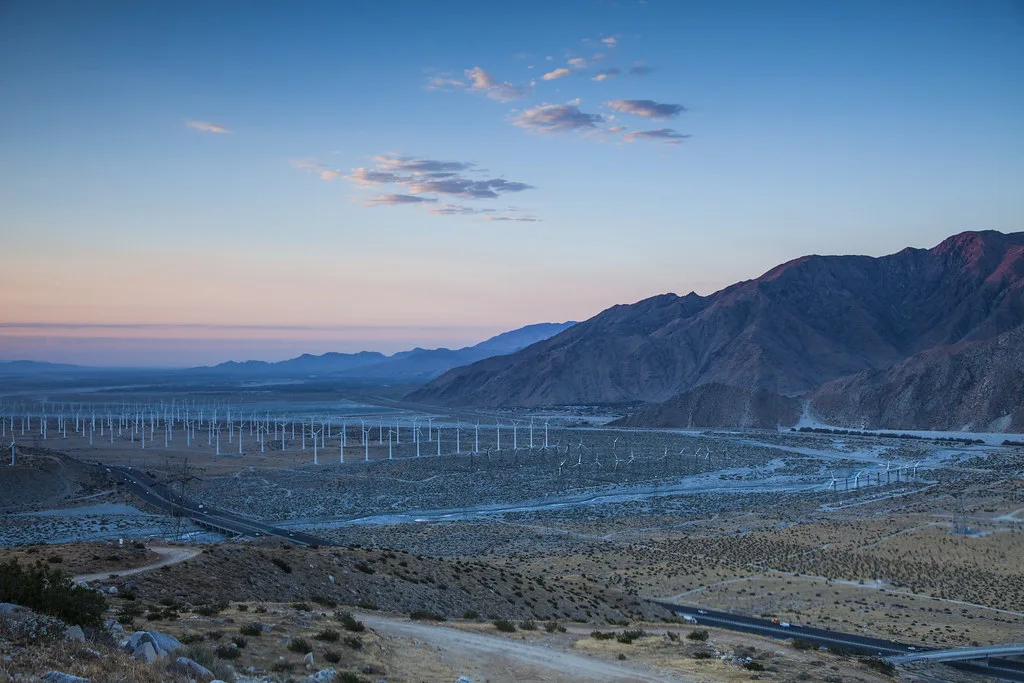
Indian manufacturers are rethinking where their electricity comes from. Renewable power, once a rounding error on a factory's balance sheet, is now part of how plants price their goods and pitch for orders.
The shift shows up across sectors. Solar and wind contracts let factories lock in power costs for years, while grid tariffs move with fuel prices. For energy-heavy businesses, that predictability matters as much as the headline rate.
Why factories care now
Three things are pushing the change. Power is a large share of operating cost in cement, steel, textiles and auto components. Buyers, especially export-facing ones, are asking suppliers to show where their electricity comes from. And open-access rules in several states let large consumers buy clean power directly instead of relying only on the grid.
Manufacturing Today India reported on the trend, framing renewables as a driver of industrial growth and competitiveness rather than a compliance cost. That framing is catching on with plant managers who watch their power bills closely.
- Long-term power purchase agreements give factories fixed tariffs for 15 to 25 years.
- Captive solar and wind projects cut exposure to grid tariff hikes.
- Export buyers increasingly ask for clean-power documentation.
The competitiveness angle
A factory that knows its power cost for the next two decades can quote more confidently on long contracts. That's a real edge in sectors where margins are thin and rivals undercut each other by a few percentage points. Clean power also helps with the carbon reporting that global customers now demand.
None of this is automatic. Open-access approvals can be slow. Transmission charges vary by state. Storage is still expensive, so a plant that runs three shifts can't rely on solar alone. Wind and solar output swings with weather, and grid reliability remains a concern in parts of the country.
Still, the direction is clear. Industrial demand for clean power is growing, and the companies that plan for it early are the ones setting the pace. The rest will follow, or pay more to catch up.
Source: Manufacturing Today India · 21 Nov 2026
Comments
Be the first to comment.
Leave a comment