
SECI Opens Bidding for Trading Partner on 65.8 GW Renewable Portfolio
The state-run aggregator is looking for an agency to handle power trading across its wind and solar contracts, a portfolio that now dwarfs most Indian utilities.
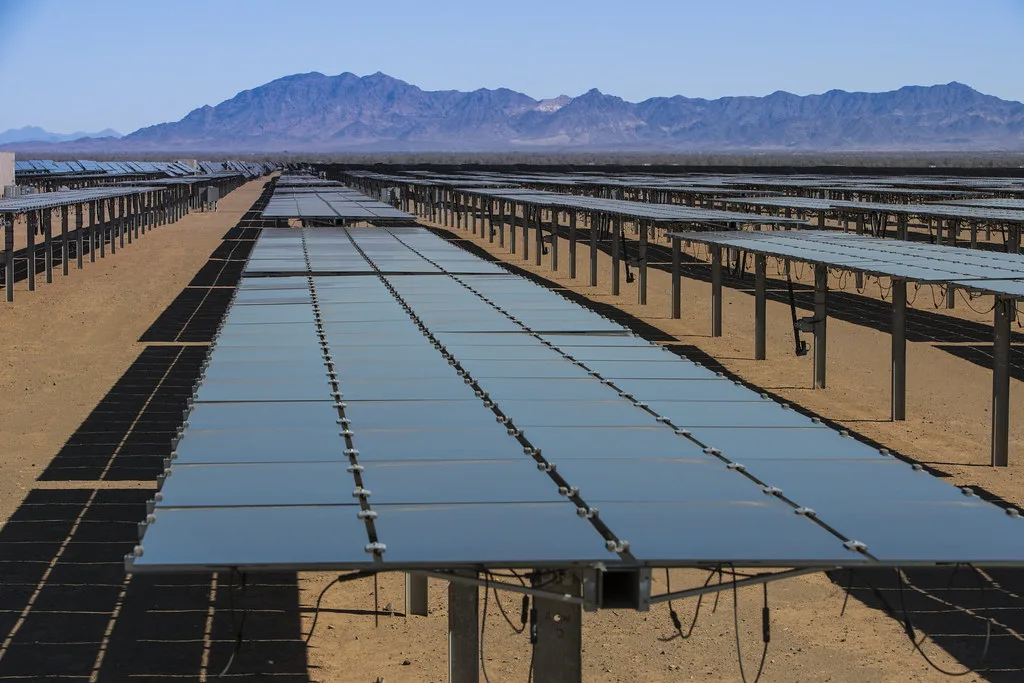
The Solar Energy Corporation of India has invited bids for a power trading partner to manage a renewable energy portfolio of 65.8 GW, according to a notice reported by Mercomindia.com on November 20, 2026.
The scope covers trading services tied to SECI's contracted wind and solar capacity. SECI acts as the central intermediary for much of India's renewable procurement, signing power purchase agreements with generators and selling the electricity on to state distribution companies.
At 65.8 GW, the portfolio is larger than the total installed capacity of most Indian states. That scale is the point. Someone has to schedule the power, settle the accounts and manage the mismatch between what generators produce and what discoms draw.
Why a trading partner matters
Renewable generation is variable. Wind peaks at night in some seasons, solar collapses after sunset, and discoms don't always lift the power they've contracted for. A trading partner steps into that gap, buying and selling to balance the book and keep payments moving.
SECI has leaned on outside agencies for this work before, but the size of the current portfolio raises the stakes. A single trading partner would sit at the centre of contracts spread across dozens of generators and nearly every state.
The tender details, including eligibility norms and the tenure of the arrangement, are set out in the bid documents. Bidders will need to show prior experience in power trading and the financial muscle to back the volumes involved.
A crowded market for intermediaries
India's power trading market has grown crowded. State utilities, private traders and exchanges all compete for a slice of the same flows. SECI's decision to bring in a partner rather than handle everything in-house reflects how much of the renewable build-out now depends on smooth commercial plumbing.
The portfolio figure also tells its own story. SECI's pipeline has swollen over the past few years as tenders for solar, wind and hybrid projects cleared. Getting those projects built was one problem. Getting the power sold, scheduled and paid for is another.
Discoms remain the weak link. Many are cash-strapped, and delays in payments to generators have been a running complaint across the sector. A trading partner with better settlement systems could ease some of that friction, though it won't fix the underlying finances of state utilities.
Bids are due as per the schedule in the tender notice. SECI has not announced a date for opening the technical bids.
Source: Mercomindia.com · 20 Nov 2026
Comments
Be the first to comment.
Leave a comment