
World Bank Backs India's Solar Rooftop Drive, Aims to Power Homes and Jobs
The World Bank will fund India's rooftop solar push to expand clean power, create jobs and draw private money.
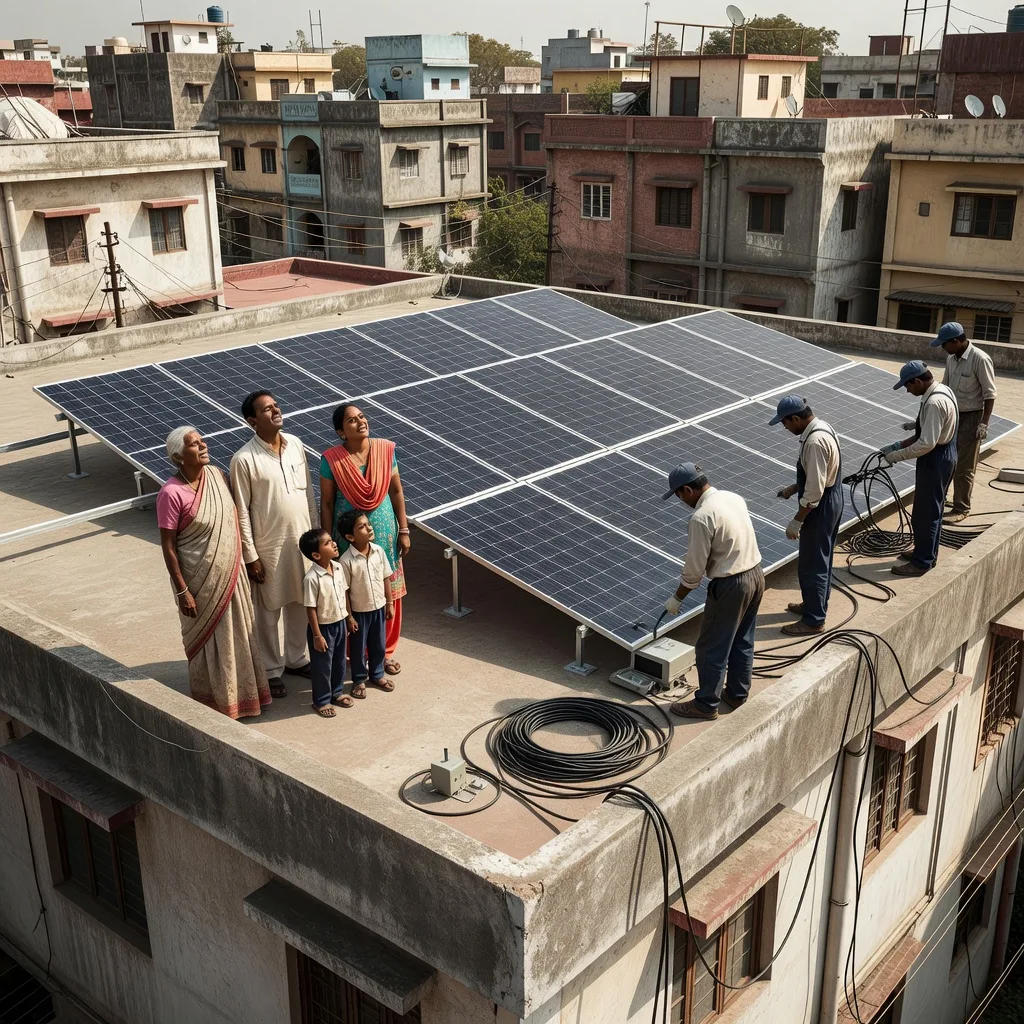
The World Bank Group announced a new loan and technical support package for India's rooftop solar program. The funding will help the government reach its goal of installing 40 gigawatts of solar panels on homes and small businesses by 2030. The move is part of a broader effort to grow clean energy, cut emissions and build a new source of jobs.
Program details
The World Bank will provide up to $1 billion in concessional financing. The money will go to state‑run agencies that run the rooftop scheme, to cover upfront costs, improve grid connections and train installers. The bank will also send experts to look at the program's design and suggest ways to make it run smoother.
India's Ministry of New and Renewable Energy (MNRE) runs the scheme. It offers subsidies and low‑interest loans to households and small firms that install solar panels. The World Bank's support is meant to fill gaps in funding, speed up approvals and make the scheme more transparent.
Impact expectations
Officials say the new resources can help add about 10 gigawatts of rooftop capacity each year for the next three years. That would bring clean electricity to millions of homes, lower electricity bills and cut the country's reliance on coal.
- Jobs: The rollout is expected to create 500,000 new jobs in installation, maintenance and manufacturing.
- Private capital: By lowering the cost of early projects, the program aims to attract $5 billion of private investment over the next five years.
- Emissions: The added solar power could cut carbon emissions by roughly 30 million tonnes annually.
Critics have warned that the scheme could face bottlenecks, such as a shortage of skilled workers and delays in grid upgrades. The World Bank's technical team will work with Indian partners to build training centers and improve data sharing, hoping to keep the rollout on track.
International donors have praised the partnership. A World Bank spokesperson said the bank "looks at India's rooftop solar push as a model for how developing nations can grow clean power while creating decent work." The bank also said the loan will be repaid over a 20‑year period, with interest rates below market levels.
India's Prime Minister has repeatedly urged the country to shift faster to renewable energy. The rooftop program fits into a larger plan that includes large‑scale solar farms, wind parks and electric‑vehicle incentives. If the World Bank's support helps the scheme meet its targets, it could become a key piece of India's climate strategy.
Local NGOs say the program should also focus on low‑income households that often cannot afford the upfront cost of panels. The World Bank's agreement includes a provision to set aside a portion of the loan for projects in underserved regions, aiming to make the benefits of solar power more equitable.
Overall, the partnership signals a strong push to grow clean energy in one of the world's biggest emerging markets. If the plan works, it could show how public money and private capital can join forces to power homes, grow jobs and cut emissions.
Comments
Be the first to comment.
Leave a comment