
Govt Orders EV Makers to Tighten Cybersecurity, Audit Battery Systems
The Indian government has directed electric vehicle manufacturers to strengthen cybersecurity protocols and conduct mandatory battery audits following a rise in fire incidents and data breaches.
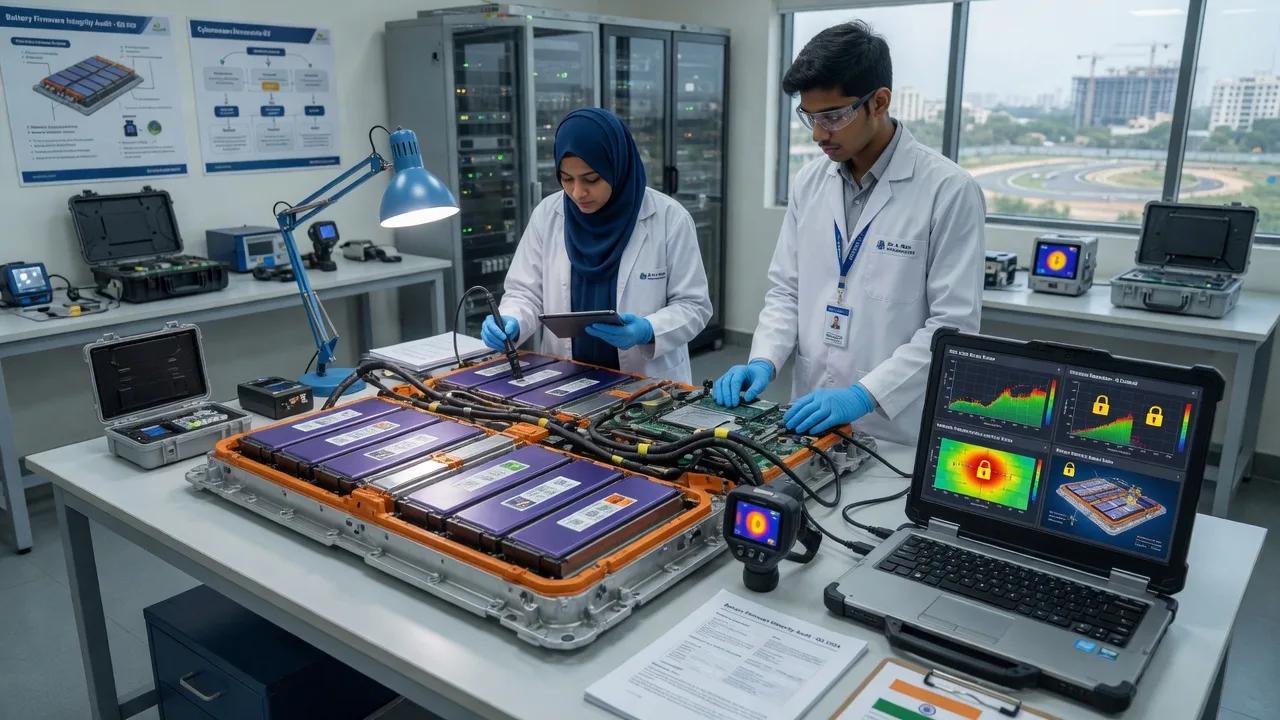
The Indian government has issued a stern directive to electric vehicle manufacturers: tighten cybersecurity and audit battery systems. The order, reported by The New Indian Express, comes amid growing safety concerns in the country's fast-expanding EV market.
The Ministry of Road Transport and Highways has asked all EV makers to carry out third-party audits of their battery management systems. These audits must check for thermal runaway risks, software vulnerabilities, and data security gaps. Companies have been given a deadline to submit compliance reports.
The move follows a string of EV fires in 2023 and 2024. Several scooters and cars caught fire in parking lots and on roads. In some cases, the fires spread to nearby vehicles. No official death toll has been released, but reports of injuries have surfaced. The government wants to stop such incidents before they hurt buyer confidence.
Cybersecurity is the other big piece of the order. Modern EVs are connected machines. They talk to charging stations, mobile apps, and cloud servers. That opens doors for hackers. A breach could let someone control a car remotely or steal user data. The government wants makers to encrypt data, secure over-the-air updates, and limit access to critical systems.
What the Order Says
The directive covers all EV types, two-wheelers, three-wheelers, cars, and buses. Key requirements include:
- Third-party cybersecurity audits for all EV models sold in India.
- Battery system checks for thermal management, cell balancing, and fault detection.
- Real-time monitoring of battery health through onboard diagnostics.
- Secure software update mechanisms to prevent unauthorized tampering.
- Data privacy safeguards for customer information stored in vehicles and apps.
The government has also warned of penalties for non-compliance. These could include fines, recall orders, or even suspension of manufacturing licenses.
Industry Reaction
EV makers have welcomed the move but asked for clarity. Some say the auditing standards are not yet clear. Others worry about costs. Smaller startups may struggle to pay for third-party audits. But most large players, like Ola Electric, Ather Energy, and Tata Motors, have already started internal reviews.
Industry bodies have asked for a phased rollout. They want the government to give more time for testing and certification. The Ministry has not yet responded to these requests.
For buyers, the order is good news. It means safer vehicles and better data protection. But experts warn that enforcement will be key. India has no dedicated EV cybersecurity law yet. The current rules fall under the Motor Vehicles Act and the IT Act. Some say a separate law is needed.
Why Now?
India's EV market is growing fast. Sales crossed 1.5 million units in 2023. The government wants 30% of all vehicles to be electric by 2030. But safety gaps could slow that shift. The new order is part of a broader push to build trust in EV technology.
The Ministry has set a three-month deadline for initial compliance. After that, surprise checks may happen. Companies that fail audits will have to fix issues within a fixed time or face action.
One official told the Express that the goal is not to punish makers but to protect users. "We want EVs to be safe by design, not by accident," the official said.
Comments
Be the first to comment.
Leave a comment