
Modern EV Batteries Could Outlast the Cars They Power, Data Shows
New analysis suggests the fear of costly battery replacement in electric vehicles may be overblown, with real-world data showing packs lasting far longer than expected.
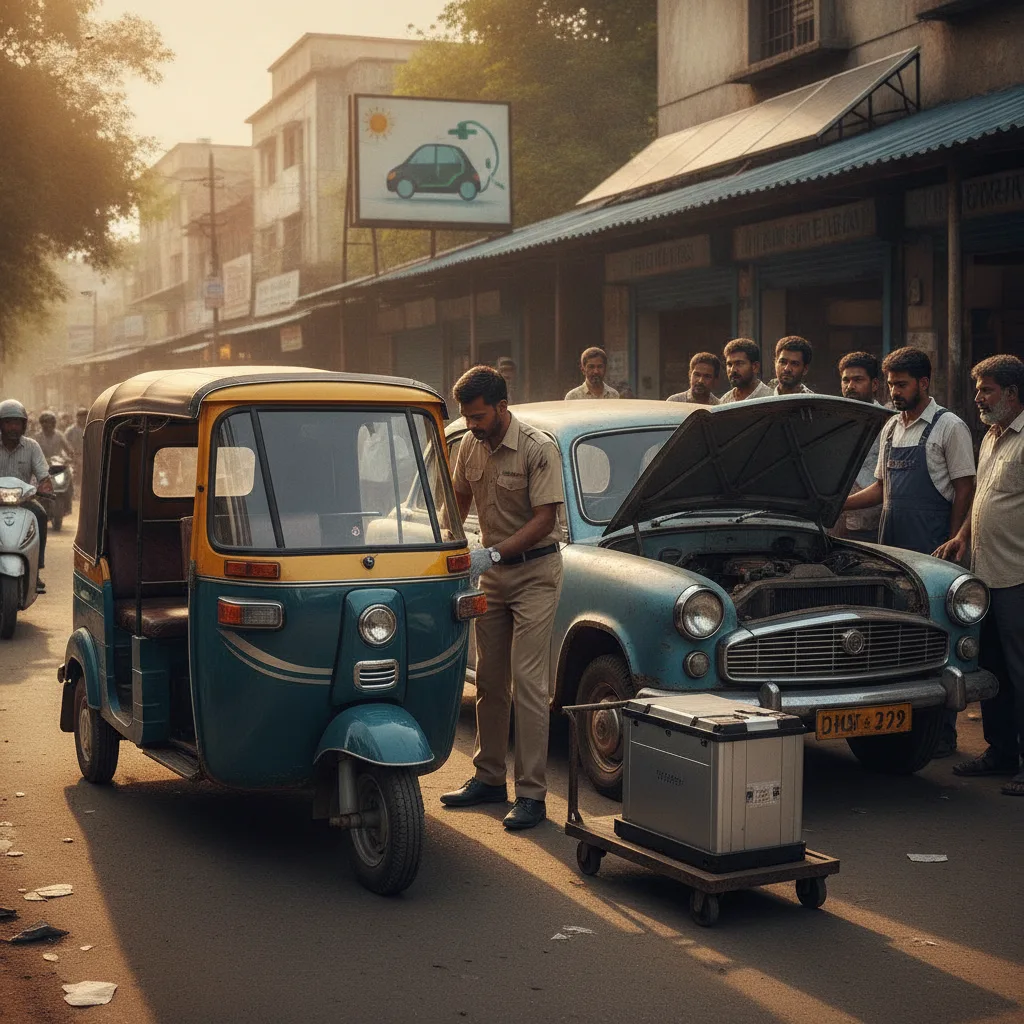
For years, one fear has stopped many Indians from buying an electric car: the battery will die, and replacing it will cost a fortune. That fear, new data suggests, may be based on old tech.
A fresh analysis from Autopunditz, an Indian automotive research firm, shows that modern EV batteries are lasting far longer than early models predicted. In many cases, the battery may outlive the car itself.
Early electric cars from a decade ago did suffer from battery degradation. Heat, fast charging, and poor thermal management wore down cells quickly. But battery chemistry and cooling systems have improved sharply since then.
"The data we are seeing from cars on Indian roads is clear," said the Autopunditz report. "Modern lithium-ion packs are holding up much better than the industry expected."
Autopunditz looked at battery health data from thousands of EVs sold in India between 2018 and 2023. The sample included cars from Tata Motors, MG Motor, and Hyundai. The analysis found that after 1,50,000 kilometers, most batteries still retained over 85% of their original capacity.
For context, the average Indian car owner drives about 12,000 kilometers a year. At that rate, 1,50,000 kilometers equals 12.5 years of driving. Most car owners in India sell their vehicle well before that point.
Battery warranties in India typically cover 8 years or 1,60,000 kilometers. That means the warranty period itself is now close to the car's usable life. "The battery is no longer the weak link," the report states.
The shift is due to several changes. Liquid cooling systems now keep battery temperatures steady, even in Indian summer heat. Battery management software has grown smarter at balancing charge across cells. And new cathode chemistries, like lithium iron phosphate, are inherently more stable than older nickel-based blends.
Tata Motors, which sells the Nexon EV and Tiago EV, has reported that its battery warranty claims remain far below early projections. MG Motor, maker of the ZS EV, has shared similar internal data. Neither company would give exact numbers, but both said the trend is positive.
Still, not all batteries are equal. Cheap, uncertified chargers can damage cells. Frequent fast charging in 45-degree heat also speeds up wear. And battery life depends on how the owner treats the car. "A battery that is always charged to 100% and left in the sun will degrade faster," the report warns.
But for most drivers, the fear of a dead battery after five years now looks like a myth. The data says a modern EV battery will likely outlast the car it powers. And by the time the battery does need replacing, the cost of new cells is expected to be much lower than today.
The first generation of Indian EV buyers, those who bought in 2018 and 2019, are now hitting the 5-year mark. Their cars still run. The batteries still hold charge. The great EV battery myth, it seems, is finally breaking.
Comments
Be the first to comment.
Leave a comment