Why India's EV market still has big white spaces to fill
A new analysis from Forbes India shows where the next big opportunities lie in the country's electric vehicle sector, from two-wheelers to charging infrastructure.
India's electric vehicle market is growing fast, but it is far from saturated. A recent analysis by Forbes India points to several 'white spaces', areas where demand outstrips supply or where no company has yet built a strong lead.
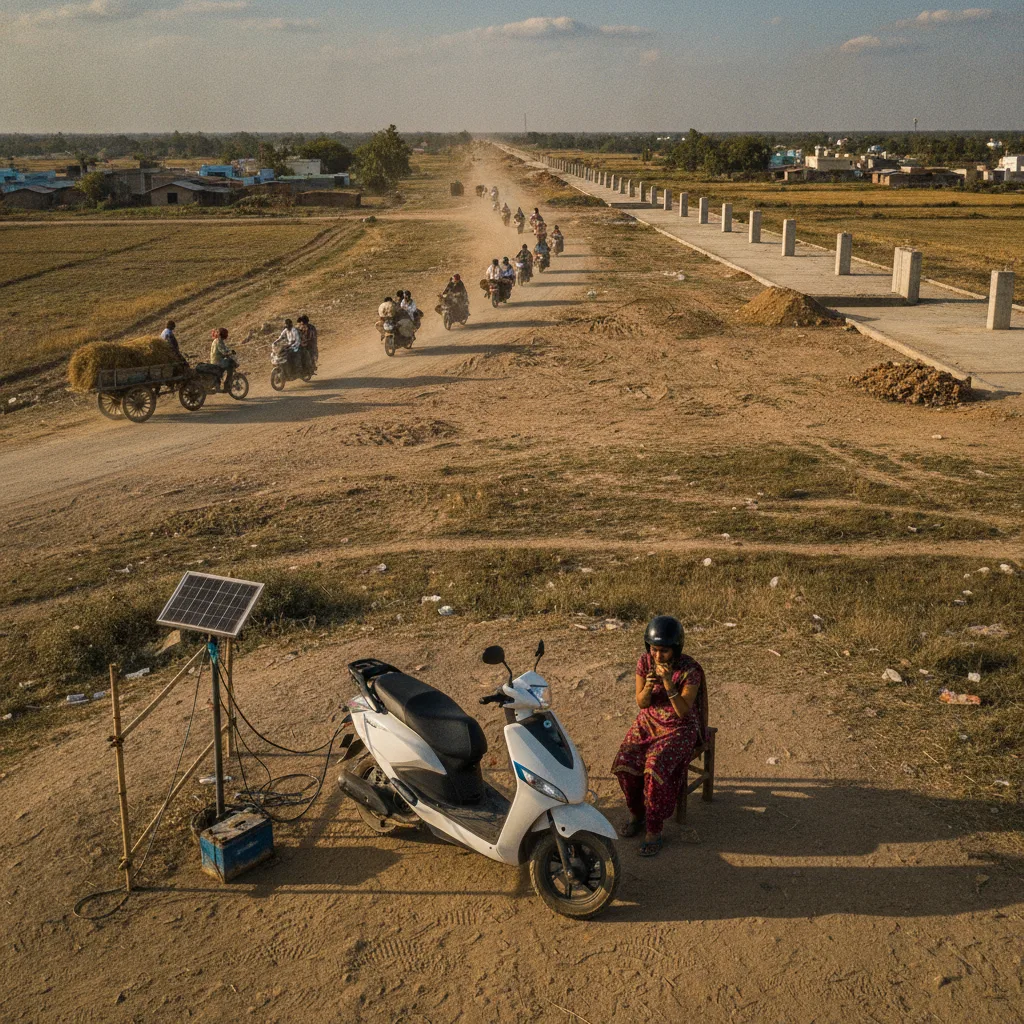
The report says the biggest gap is in electric two-wheelers. While several startups have entered this space, most focus on premium models priced above Rs 1 lakh. That leaves a huge market for affordable, mass-market e-scooters and e-bikes. Many Indian families still rely on a single petrol scooter for daily errands. A cheap, reliable electric option could change that.
Another white space is electric three-wheelers for last-mile freight. India's streets are full of petrol-powered auto-rickshaws carrying goods. But electric cargo three-wheelers are still rare. Companies like Euler Motors and Altigreen have started, but the report says the segment is wide open for more players.
Charging infrastructure remains a patchy affair. The Forbes India piece notes that most charging points are in big cities. Smaller towns and highways, especially on state highways, have very few. That is a problem for anyone wanting to drive an EV between cities. The report says building fast-charging corridors on key routes is a clear opportunity.
Battery swapping and fleet operators
Battery swapping is another white space. For two-wheelers and three-wheelers, swapping a drained battery for a charged one takes minutes. Charging takes hours. Companies like Bounce and Sun Mobility have set up swapping stations in some cities, but the network is thin. The report argues that a dense swapping network could speed up EV adoption, especially for delivery riders and cab drivers.
Fleet operators are a neglected customer group. Most EV makers sell to individual buyers. But fleet owners, think food delivery companies, cab aggregators, and logistics firms, buy in bulk and need vehicles built for heavy use. The analysis says few manufacturers tailor their products for fleets. That is a missed chance.
Electric tractors and farm vehicles barely exist in India. The report calls this a 'greenfield opportunity.' Most Indian farmers still use diesel-powered tractors and pump sets. Electric tractors could cut their running costs and reduce pollution. But no major company has launched a mass-market model yet.
Policy support and the road ahead
The Indian government's FAME II scheme has pushed EV sales, but it ends in March 2024. The report says a clear extension or a new policy would give manufacturers the confidence to invest in these white spaces. State-level policies vary widely. Some states like Delhi and Maharashtra offer extra subsidies. Others offer little. That creates an uneven playing field.
Forbes India also points to a lack of service networks. Many EV startups sell online or through a handful of dealers. But buyers worry about finding a mechanic who can fix an electric motor or a battery pack. Building a widespread service network is expensive, but the report says it is essential for mass adoption.
India's EV market is still young. The white spaces are real and large. Companies that move into them early could shape the market for years. Those that wait may find the best spots already taken.
Comments
Be the first to comment.
Leave a comment