India's clean energy push key to economic strength, says Joshi
Coal and mines minister Pralhad Joshi links India's energy transition directly to economic resilience in a DD News interview.
Minister ties energy shift to economic stability
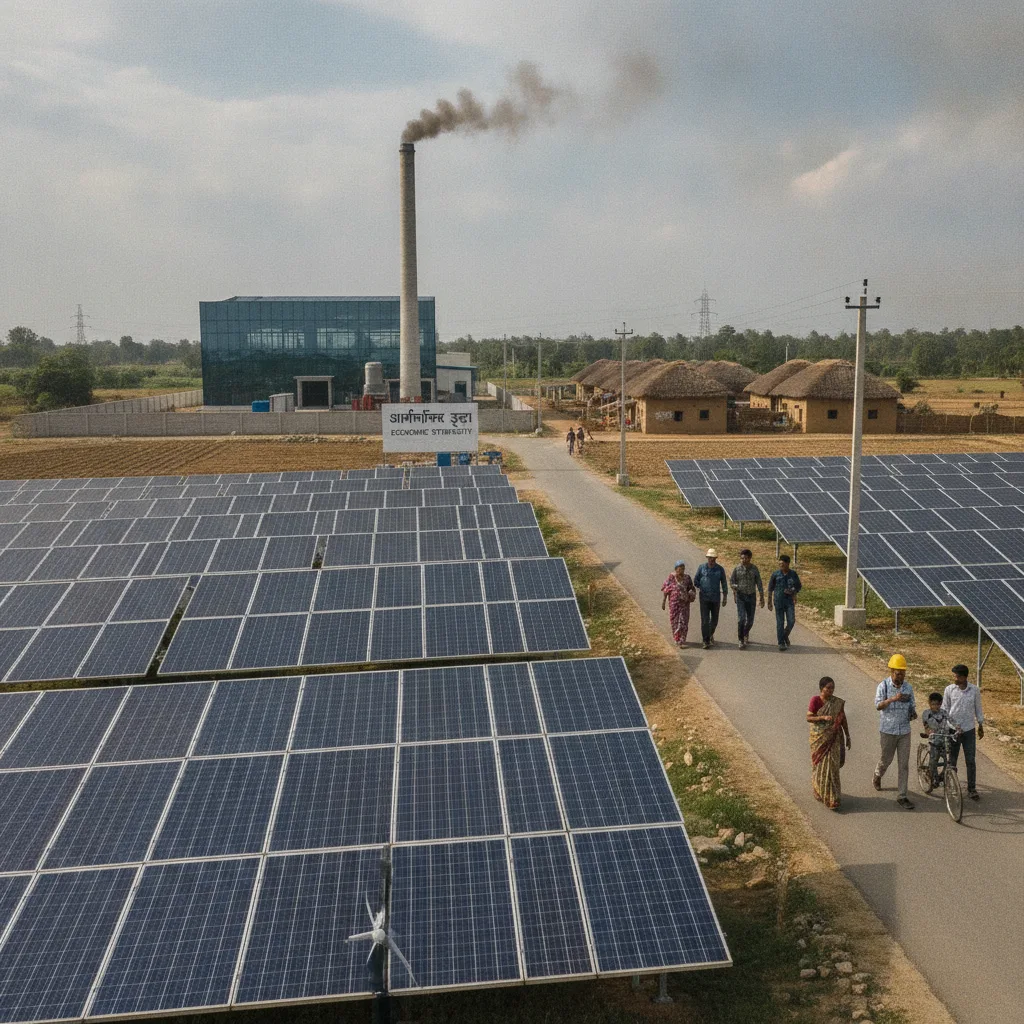
India's transition to clean energy has become central to building economic resilience, coal and mines minister Pralhad Joshi told DD News. The comments come as India pushes aggressive renewable energy targets while managing its coal-dependent power sector.
Joshi framed the energy shift as an economic imperative rather than just an environmental goal. 'This isn't about following global trends,' he said. 'It's about securing India's growth with stable, sustainable power.'
Balancing act continues
The minister acknowledged the ongoing challenge of maintaining coal production while scaling renewables. India remains the world's second-largest coal consumer but has pledged to meet 50% of its electricity needs from non-fossil sources by 2030.
Recent government data shows renewable energy capacity crossed 125 GW this year, with solar accounting for nearly half. Wind power makes up another 34% of the clean energy mix. But coal still fuels about 70% of India's electricity generation.
Policy shifts gain speed
Several moves signal India's accelerating transition:
- The renewable purchase obligation was raised to 29% for 2023-24
- New bidding guidelines mandate hybrid renewable projects
- EV manufacturing incentives topped $3.5 billion this fiscal year
Joshi stressed these steps create jobs while cutting import dependence. 'Every solar panel we make here strengthens our economy,' he said. The minister pointed to domestic manufacturing growth in solar components and battery storage as proof the strategy works.
DD News aired the interview hours before India submitted its updated climate action plan to the UN. The document reaffirms the 2030 renewable target but doesn't commit to phasing down coal.
Comments
Be the first to comment.
Leave a comment