
India's EV push could add $2 billion to import bill, report says
A new report warns that the shift to electric vehicles may increase reliance on imported components, widening the trade deficit.
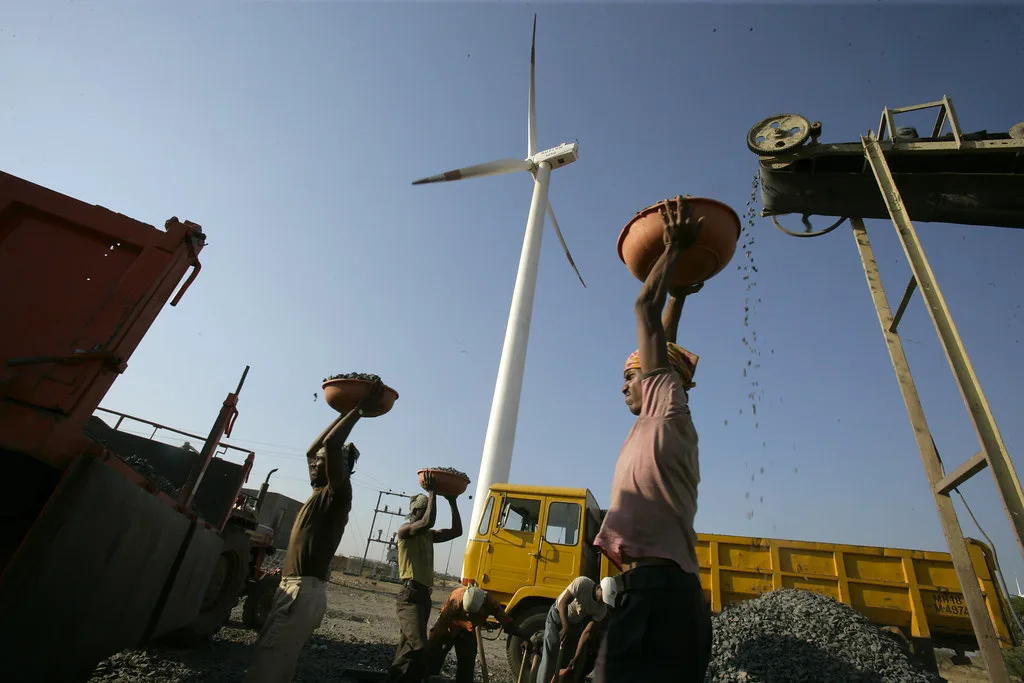
India's drive to put more electric vehicles on its roads could raise the country's import bill by $2 billion, according to a report by Moneycontrol.com. The finding, published on September 18, 2026, points to a growing tension in the government's clean-energy ambitions: the more EVs Indians buy, the more parts and materials the country may need to bring in from abroad.
The report does not name specific companies or break down which components are driving the increase. But the $2 billion figure is a warning sign for policymakers who have spent years trying to cut India's oil import dependence. Instead of importing crude, the country could end up importing lithium-ion cells, magnets, and electronic control units, the building blocks of electric drivetrains.
A familiar problem, new shape
India already imports most of its lithium-ion cells from China, South Korea, and Japan. Domestic cell manufacturing is still small. A handful of companies have announced gigafactory plans, but most are years from full production. Until those plants come online, every electric car, scooter, and bus sold in India carries a piece of someone else's supply chain.
The $2 billion estimate, if accurate, would add to an already hefty import bill. India spent over $50 billion on crude oil imports in some recent months, though prices swing widely. The EV-related increase is smaller, but it lands on a different ledger: components and finished goods, not fuel.
That shift matters for trade policy. Oil imports are largely unavoidable for a country with limited domestic crude. EV components, by contrast, can be made at home, if the investment and raw materials are there. India has reserves of iron ore and some rare earths, but processing capacity is thin.
What the government has done
New Delhi has tried to push local manufacturing through schemes like the Production Linked Incentive (PLI) program for auto components and advanced chemistry cells. The aim is to draw battery makers and parts suppliers into India. Some progress has been made. Ola Electric, Tata Motors, and Mahindra have either started or announced local assembly of battery packs. But cells, the most valuable part, are still mostly imported.
The report doesn't say whether the $2 billion figure accounts for these efforts or assumes they fail. It also doesn't specify a timeline. That leaves room for interpretation. A slow ramp-up of domestic cell plants could shrink the number. A faster shift to EVs could make it larger.
Why it matters beyond the balance sheet
Import dependence isn't just an accounting problem. It exposes Indian automakers to currency swings and supply chain shocks. When China restricted graphite exports in 2023, battery prices wobbled worldwide. India felt the ripple. A similar disruption in lithium or rare earths would hit harder as EV sales grow.
There's also the strategic angle. India wants to be a manufacturing hub, not just a market. If the EV transition deepens reliance on imported tech, that goal gets harder to reach. The government has talked about 'Make in India' for a decade. EVs are a test case.
The Moneycontrol report doesn't offer solutions. It simply flags the cost. For now, that's enough to keep the debate alive in ministries and boardrooms. The next move belongs to battery makers and policy planners. Whether they can close the gap before the import bill climbs further is an open question.
Source: Moneycontrol.com · 18 Sep 2026
Comments
Be the first to comment.
Leave a comment