
India's Solar Power Capacity Crosses 100 GW
The milestone, announced by News On AIR, marks a tenfold jump in installed solar capacity over the past decade.
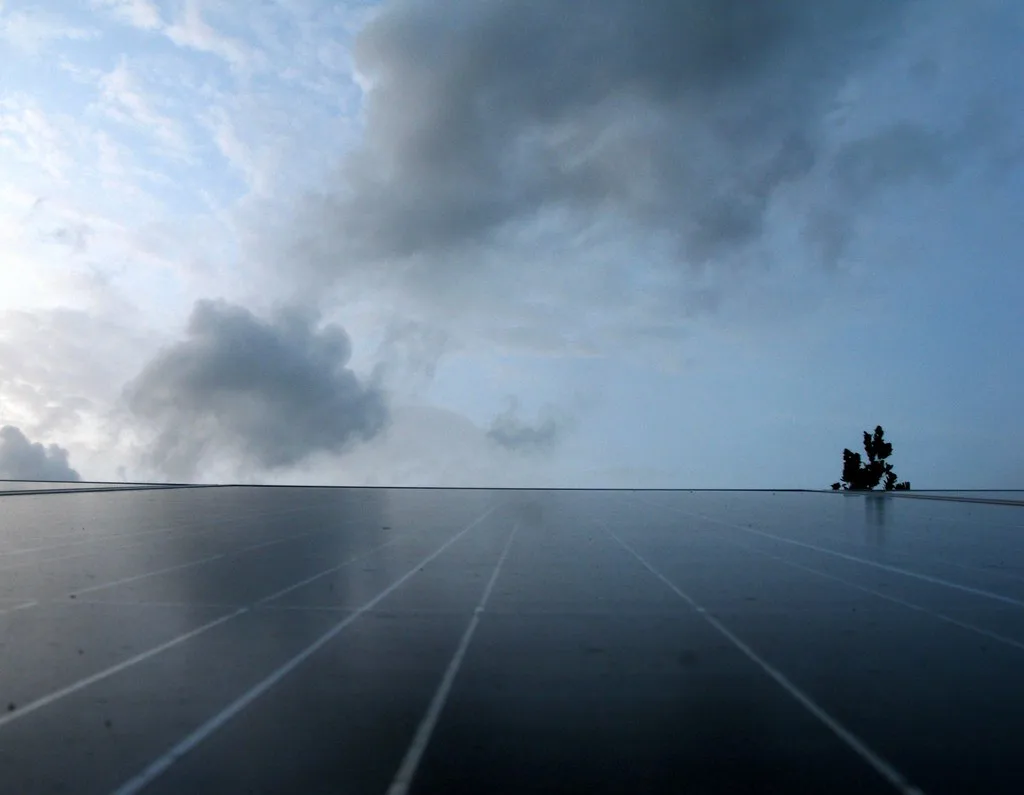
India's installed solar power capacity has crossed 100 gigawatts, News On AIR reported on 1 October 2026. The figure covers utility-scale parks, rooftop systems and off-grid installations counted under the country's renewable energy programme.
The number matters because of how fast it arrived. India had roughly 10 GW of solar at the start of the last decade. It now has ten times that. Only a handful of countries, China, the United States, Germany, Japan, sit in the same bracket.
Solar has also become the largest single slice of India's non-fossil power fleet. Wind, biomass, small hydro and nuclear together make up the rest. Coal still supplies most of the country's electricity, but the share coming from the sun keeps climbing every year.
How the capacity was built
The growth came from a mix of sources. Large solar parks in Rajasthan, Gujarat, Karnataka and Andhra Pradesh account for the bulk of the 100 GW. Rooftop solar on homes, schools and factories added a smaller but growing share. So did solar pumps for farmers and stand-alone panels in villages that the grid never reached.
Falling panel prices did much of the work. Tariffs discovered in auctions have dropped sharply since the early 2010s, making solar the cheapest new source of electricity in most of India. Government schemes, the National Solar Mission, PM-KUSUM for farm pumps, and rooftop subsidy programmes, pushed demand from the other side.
Domestic manufacturing has trailed the build-out. India still imports a large share of its solar cells and modules, mostly from China. Duties and production-linked incentives have started to shift that, but the gap between installed capacity and factory output remains wide.
What comes next
The 100 GW mark is a waypoint, not the finish line. India's stated target is 500 GW of non-fossil capacity by 2030, with solar expected to carry the biggest share. Getting there means adding roughly 30 to 40 GW of solar every year for the rest of the decade.
That pace brings its own problems. Grid operators have to absorb variable solar output, which peaks at midday and vanishes after sunset. Battery storage is still expensive. Land for new parks is getting harder to find in some states. Transmission lines lag behind the projects they are meant to serve.
None of that erases the milestone. A country that once struggled to keep the lights on now runs one of the world's largest solar fleets. The 100 GW figure is the clearest sign yet of how far that shift has gone.
Source: News On AIR · 1 Oct 2026
Comments
Be the first to comment.
Leave a comment