INSA Wants a Unified National Energy Framework for India
The Indian National Science Academy has proposed a single integrated energy policy to coordinate the country's fragmented power, transport, and climate efforts.
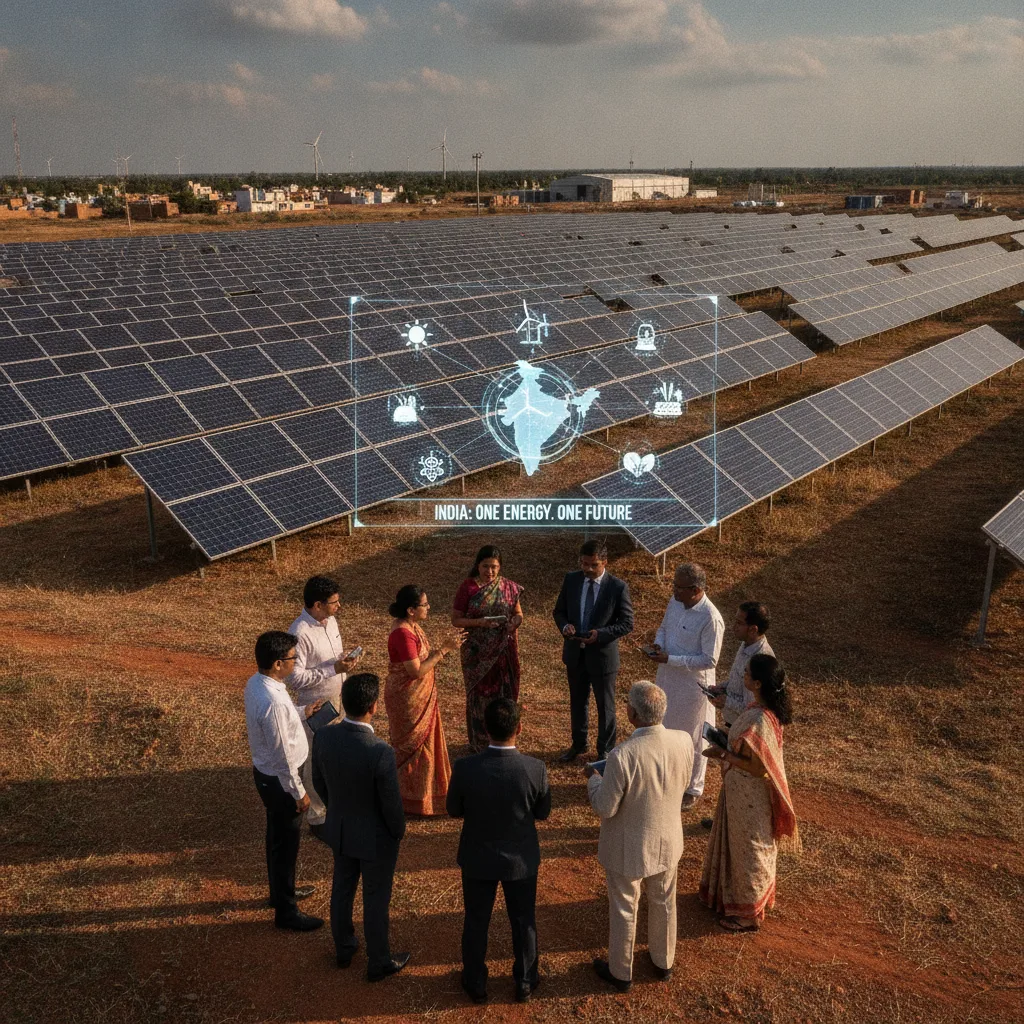
The Indian National Science Academy (INSA) has called for a Unified National Energy Framework to fix what it sees as a patchwork of disconnected energy policies. The proposal, reported by Drishti IAS, aims to bring together India's electricity, transport, industry, and household sectors under one coherent plan.
Right now, India's energy rules are split across ministries. The Ministry of Power handles electricity. The Ministry of Petroleum and Natural Gas runs oil and gas. The Ministry of New and Renewable Energy pushes solar and wind. INSA says this split creates overlaps, gaps, and slow progress on climate goals.
The Academy's proposed framework would set a single set of targets for energy production, consumption, and emissions. It would also map out how different fuels, coal, oil, gas, solar, wind, nuclear, fit together over the next few decades. INSA argues that without such a framework, India risks missing its 2030 and 2070 net-zero pledges.
What the Framework Would Cover
The plan touches every part of the energy system. It includes electricity generation, transport fuels, industrial heat, cooking gas, and farm power. It also looks at energy storage, grid upgrades, and efficiency standards for buildings and appliances.
INSA wants the framework to set clear milestones for cutting carbon intensity and raising the share of renewables. It also pushes for better data collection, right now, different agencies report different numbers for the same things, like how much solar power the country actually runs on.
The Academy's members are senior scientists from fields like physics, chemistry, and engineering. They say a unified framework would help state and central governments agree on priorities. It would also make it easier for private companies to plan long-term investments in clean energy.
Why Now?
India's energy demand is growing fast. The country is the world's third-largest energy consumer. It still depends on coal for about 70% of its electricity. At the same time, it has set big targets: 500 GW of non-fossil fuel capacity by 2030, and net-zero emissions by 2070.
INSA warns that meeting these targets will be hard if policies stay split. For example, the push for electric vehicles runs into problems when the grid can't handle extra load. And the drive to add solar farms hits land-use fights that no single ministry can solve alone.
The Academy's proposal is not a law or a government order. It is a recommendation from a scientific body. But it carries weight. INSA often advises the government on technical policy, and its reports have shaped national programs before.
Reactions and Next Steps
No official response has come from the Ministry of Power or the Ministry of New and Renewable Energy yet. Energy analysts say the idea makes sense but will be hard to pull off. India's federal system gives states a big say in energy decisions. A unified framework would need buy-in from all 28 states and 8 union territories.
INSA has not set a timeline for the government to act. The Academy says it will release more details in a follow-up report later this year. For now, the proposal sits on the table, a scientist's blueprint for a cleaner, more coordinated energy future.
Comments
Be the first to comment.
Leave a comment