
Kerala to Buy 300 MW Solar Power for 25 Years to Meet Peak Demand
KSEB will procure 300 MW of solar power through SECI for 25 years, as the state struggles to meet record peak demand.
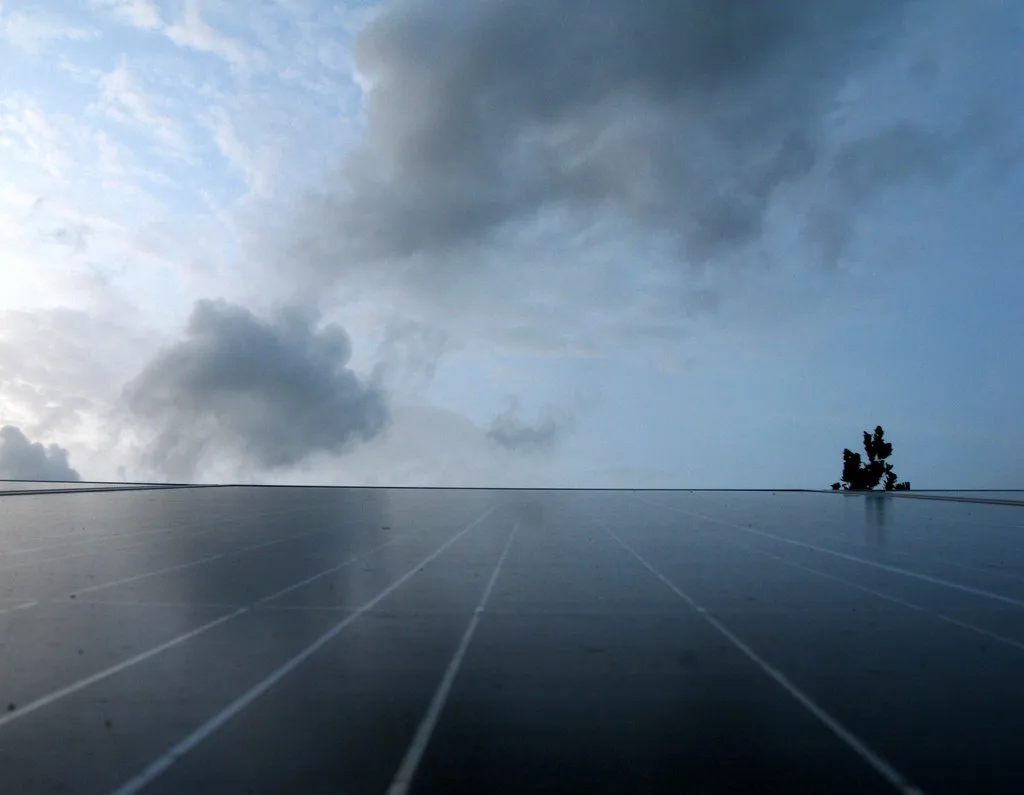
Kerala State Electricity Board (KSEB) will procure 300 MW of solar power for 25 years through the Solar Energy Corporation of India (SECI). The long-term deal is meant to help the state meet its growing peak electricity demand.
The agreement, reported by The Hindu on September 20, 2026, comes as Kerala's peak demand keeps climbing. The state has been forced to buy expensive power from exchanges during peak hours, and the new solar capacity is expected to ease that pressure.
SECI will run the tender and sign a power purchase agreement with the winning developer. The 300 MW will be added to Kerala's grid over the next few years. The 25-year term gives the developer a stable revenue stream and locks in a fixed tariff for KSEB.
Kerala has limited land for large solar parks. Most of its current solar capacity comes from rooftop installations and small projects. The 300 MW will likely be set up outside the state, with power transmitted back through the national grid. That's a common route for states with land constraints.
The state's peak demand has been rising fast. In recent summers, it has crossed 5,000 MW, and KSEB has had to rely on short-term purchases and hydro power. But hydro output can fall during dry spells, and buying from the exchange is costly. A long-term solar contract offers some relief.
Solar power is cheapest during the day. Kerala's peak demand often occurs in the evening, after solar generation drops. To manage that, the state will need storage or other sources. The SECI deal doesn't mention battery storage, so the evening peak challenge remains.
Still, the procurement is a step toward meeting Kerala's renewable energy targets. The state has set a goal of adding significant solar capacity by 2030. This 300 MW contract will contribute to that.
KSEB has faced criticism for not adding enough renewable capacity in the past. The state's solar potential is estimated at over 6,000 MW, but progress has been slow. Land availability and transmission bottlenecks are often cited as reasons.
The SECI route allows Kerala to tap into solar projects in other states, where land and solar radiation are better. SECI acts as an intermediary, aggregating demand from multiple states and conducting auctions. This typically brings down tariffs through competition.
Details of the tender, including the timeline and location of the projects, are yet to be announced. KSEB officials did not comment on the expected tariff. The Hindu report did not specify when the power will start flowing.
For now, the 300 MW deal is a concrete move to address Kerala's peak demand crisis. Whether it's enough will depend on how quickly the projects are built and how the state manages the evening peak.
Source: The Hindu · 20 Sep 2026
Comments
Be the first to comment.
Leave a comment