
Solar Power Keeps India's Dairy Cold Chain Running
Milk spoils fast without reliable refrigeration. Solar-powered cold storage is helping small dairy farmers cut losses and stay in business.
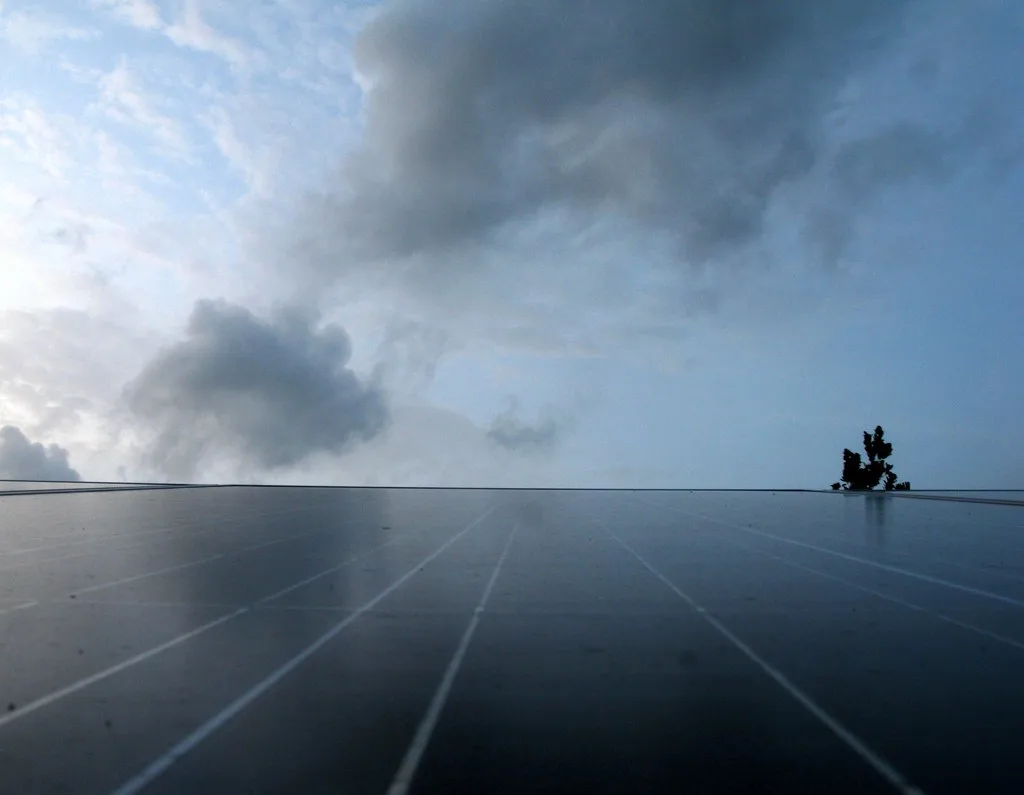
India is the world's largest milk producer. But moving that milk from village to market without spoilage is a tough problem. The cold chain, refrigerated trucks, bulk milk coolers, and storage units, runs on electricity. In rural areas, the grid is often weak or missing. Diesel generators fill the gap, but they're costly and polluting.
Solar power is changing that. Frontline Magazine reports that solar-powered cold storage is gaining ground in India's dairy sector. The reason is simple: milk needs to be cooled quickly after milking. If it isn't, bacteria multiply and the milk spoils. For small farmers, that means lost income.
Why the cold chain matters
India produces over 200 million tonnes of milk a year. Most of it comes from small and marginal farmers. They milk a few animals and sell to village cooperatives. The cooperative collects the milk and chills it at a bulk milk cooler. From there, it goes to processing plants.
Every step depends on steady power. A power cut of even a few hours can raise the temperature of the milk, leading to spoilage. Diesel backup is expensive. Solar panels with battery storage offer a cleaner, cheaper alternative.
Solar cold storage units are now being installed at village collection centres. These units use solar panels to charge batteries, which run the compressor. During the day, the panels also power the cooler directly. Excess energy is stored for night use.
Benefits for farmers
The benefits go beyond clean energy. Farmers get more reliable cooling, which means less milk is wasted. That directly increases their income. Solar units also cut diesel costs, which can be a significant expense for cooperatives.
There's an environmental angle too. Diesel generators emit carbon dioxide and other pollutants. Solar power is clean and renewable. With India aiming for 500 GW of non-fossil fuel capacity by 2030, dairy cold chains fit into the larger energy transition.
But challenges remain. Solar panels and batteries have upfront costs. Maintenance requires technical skills that may not be available in remote villages. And the technology works best in sunny regions, most of India qualifies, but the monsoon can reduce output.
Government schemes like the National Dairy Development Board's dairy processing and infrastructure development fund support cold chain projects. Solar-powered options are eligible for subsidies under some programmes. That helps bring down the cost for cooperatives.
What's next
The Frontline article points out that scaling up solar cold chains will need more than just panels. It requires training local technicians, financing models that work for small cooperatives, and integration with existing dairy infrastructure.
Some states are already moving ahead. In Gujarat, solar-powered bulk milk coolers have been installed at several village societies. In Karnataka, a pilot project is testing solar cold storage for milk and other perishables. These are small steps, but they show the potential.
For India's dairy farmers, reliable cooling isn't a luxury. It's the difference between a fair price and a wasted day's work. Solar power offers a way to keep the milk cold without heating up the planet.
Source: Frontline Magazine · 30 Sep 2026
Comments
Be the first to comment.
Leave a comment