
Solar pumps and panels are reshaping the Indian farm, one field at a time
Farmers are pairing solar irrigation pumps with panels that feed the grid, cutting diesel bills and earning from surplus power.
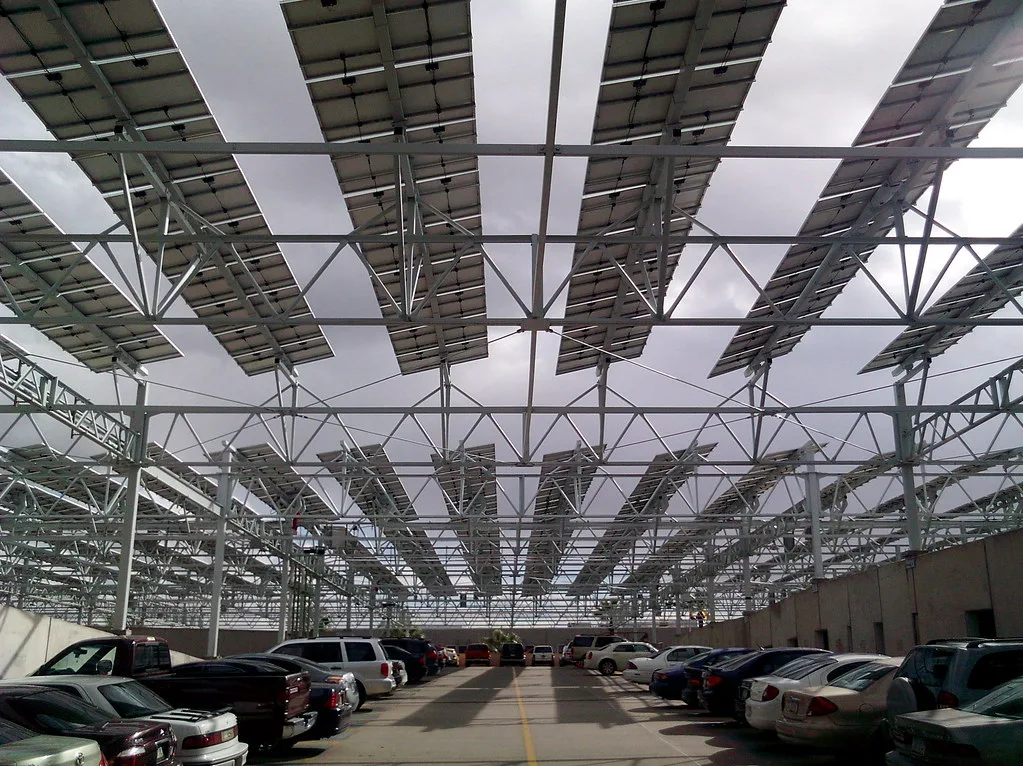
On a farm somewhere in India, a solar pump is doing what a diesel engine used to do, pulling water without a fuel bill. That shift is the heart of the story The Indian Express tells under the headline "Harvesting the Sun, and powering the farm."
The idea is simple. Put panels on farmland. Use the power to run irrigation pumps. Send whatever is left over to the grid. For a farmer, that means two things at once: water when the crop needs it, and a little income from the electricity the panels make.
The appeal is easy to see. Diesel pumps are expensive to run and noisy to live with. Solar pumps cut the fuel cost to zero after the panels are paid for. And because the sun is strongest in the months when fields are thirstiest, the timing works in the farmer's favour.
Why it matters for the grid
India's farm power has long been a headache for state electricity boards. Subsidised or free power for irrigation has strained budgets and pushed utilities into losses. Solar pumps change the arithmetic. A farmer who generates more than he uses becomes a small supplier rather than a pure consumer.
That's the promise. The hard part is the plumbing, meters, connections, and a grid that can take power back. Not every feeder is ready for two-way flow. Not every state has worked out how to pay farmers for what they export.
There's also the question of who pays upfront. A solar pump and panel set costs money, and smallholders often can't front it. Subsidy schemes and bank loans carry the load, but paperwork and delays are real hurdles. Farmers who've waited months for a connection know the gap between a scheme on paper and a pump in the field.
What the report shows
The Indian Express piece looks at how this is playing out on the ground. It's a story about a technology that fits the farm, not a lab experiment, but a working tool. Panels over a field. A pump that runs in daylight. A meter that counts both ways.
The details matter more than the slogan. How much a farmer saves depends on the crop, the hours of sun, and the price of diesel in that district. How much he earns from surplus power depends on the state's policy and the health of the local feeder.
None of this is settled. Solar irrigation is spreading, but unevenly. Some districts have moved fast. Others are still waiting for the grid to catch up.
What's clear is the direction. The farm is becoming a place that makes power as well as food. A panel on a shed roof, a pump in the field, a line running back to the pole, that's the picture the report draws. Whether it scales depends on wires, money, and the patience of farmers who've heard promises before.
Source: The Indian Express · 21 Oct 2026
Comments
Be the first to comment.
Leave a comment