EV adoption in India: Strong ambitions, uncertain timeline
Forbes India reports that while the shift to electric vehicles is widely accepted as inevitable, the pace and timing remain deeply uncertain.
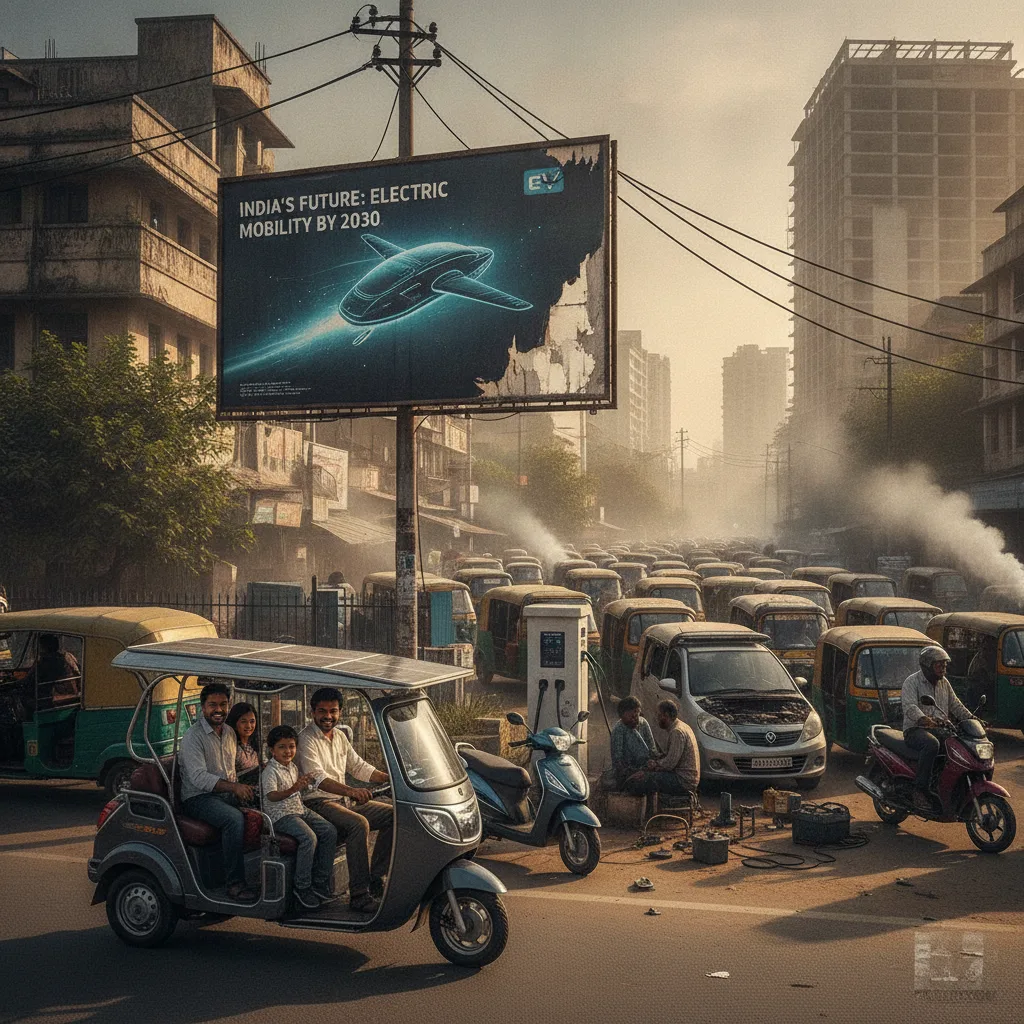
NEW DELHI, The future of transport is electric. That much is clear. But when that future will arrive in India is a question with no easy answer.
A recent analysis by Forbes India highlights the gap between ambition and reality. The government has set bold targets. It wants 30% of new car sales to be electric by 2030. For two-wheelers, the target is 40%. For three-wheelers and buses, it is 80% and 70% respectively. Yet actual sales tell a different story.
In 2024, electric cars made up less than 2.5% of total car sales. Electric two-wheelers accounted for roughly 5%. The numbers are growing, but from a very low base.
Why the slow uptake? Cost remains a big hurdle. Even with subsidies under the Faster Adoption and Manufacturing of Electric Vehicles (FAME) scheme, an EV still costs 30% to 50% more than a petrol or diesel car. Battery prices have fallen, but not enough to close the gap.
Charging infrastructure is another weak link. India has about 12,000 public charging stations. That is far below what is needed for mass adoption. Most are in cities. Rural areas and highways remain largely uncovered. Range anxiety is real for many buyers.
"The consumer is not against EVs," said a senior analyst quoted in the Forbes India piece. "But they need to see a clear advantage in cost and convenience. Right now, that advantage is not always there."
The report also points to policy uncertainty. The FAME-II scheme ended in March 2024. The new PM Electric Drive Revolution in Innovative Vehicle Enhancement (PM E-DRIVE) scheme was announced but details on rollout and funding are still being worked out. Manufacturers say they need stable, long-term policies to invest in production lines and R&D.
On the manufacturing side, progress is mixed. Tata Motors leads the EV car market with a share of over 70%. Mahindra and MG are also in the race. But global players like Tesla have stayed out of India, citing high import duties and a lack of supply chain readiness. Domestic battery production is still in its early stages. Most cells are imported from China.
The Forbes India article notes that the auto industry is not giving up. Investments in EV platforms and battery plants are rising. State governments are offering incentives. Tamil Nadu, Gujarat, and Maharashtra are competing to become EV hubs. Startups like Ola Electric and Ather Energy are pushing two-wheeler sales.
But the report warns against over-optimism. The transition will take time. It will need better batteries, cheaper cars, and a network of chargers that people can trust. It will also need electricity supply that is reliable and green. India still gets over 70% of its power from coal.
"The direction is set," the Forbes India piece concludes. "But the speed depends on many things falling into place at once."
For now, the electric future remains just that, a future. How soon it arrives is anyone's guess.
Comments
Be the first to comment.
Leave a comment