
Group Captive Solar: Tata Power Bets on a New Business Model for Indian Firms
Tata Power is pushing group captive solar as a way for businesses to cut power costs without putting solar panels on their own rooftops.
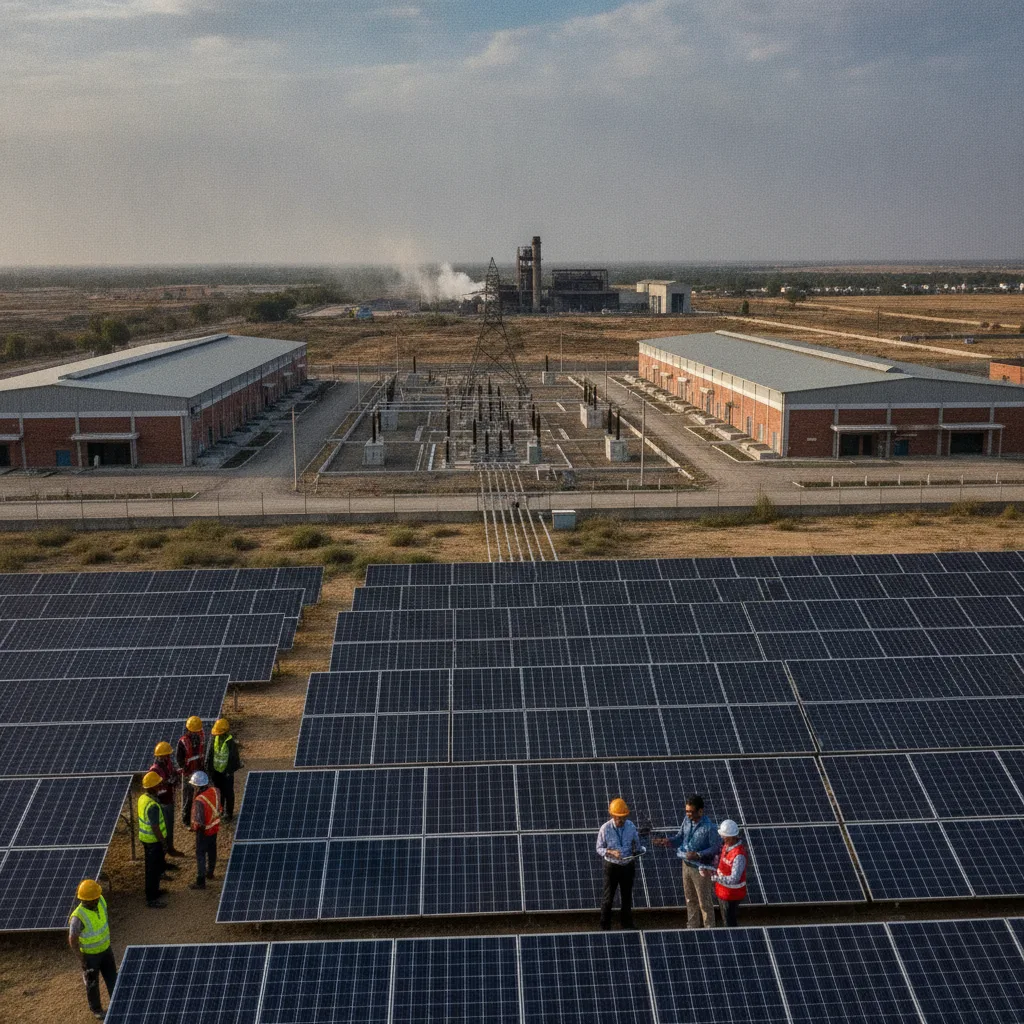
MUMBAI, Tata Power is making a big push into group captive solar. The company says this model gives Indian businesses a fresh edge on energy costs. No rooftop panels needed. No upfront capital outlay.
Under a group captive arrangement, a group of companies jointly owns a solar plant. They consume the power generated, getting cheaper electricity than what the grid offers. The model works best for firms with steady daytime demand. Tata Power sees this as a growing market.
"Group captive solar is emerging as a viable alternative for commercial and industrial consumers," a Tata Power spokesperson said. "It allows them to meet their sustainability goals while reducing electricity bills."
The company already operates over 1,000 megawatts of group captive solar capacity across India. Clients include large manufacturers, data centers, and retail chains. Tata Power builds, owns, and maintains the plant. The client buys the power through a long-term agreement.
Why now? India's open access rules let large consumers buy power directly from generators. But the rules vary by state. Some states levy surcharges that eat into savings. Others have streamlined approvals. Tata Power says it works with state regulators to keep projects viable.
How the math works
A typical group captive solar project costs about ₹4 crore per megawatt. The client pays no capital cost. Instead, they sign a 25-year power purchase agreement. The tariff is often 30-40% lower than the grid rate. Savings add up fast for factories running three shifts.
But the model has limits. Only companies that consume at least 51% of the plant's output qualify as captive users. The rest must sell to the grid at lower rates. That rule keeps the model honest but also restricts who can join.
Tata Power is not alone in this race. Adani Green, ReNew Power, and Azure Power also offer group captive deals. Competition is heating up. Yet Tata Power argues its edge lies in execution. The company has built solar plants across 20 states. It handles land acquisition, grid connectivity, and regulatory filings.
Policy tailwinds
The central government has set a target of 500 gigawatts of renewable energy by 2030. Group captive solar is one way to get there without straining the grid. The model also helps states meet their renewable purchase obligations. These obligations require power distributors to buy a minimum share of green energy.
"Group captive reduces the burden on state utilities," said a renewable energy analyst based in Delhi. "It brings private investment into generation without requiring government subsidies."
Still, risks remain. Land disputes can delay projects. Payment defaults by clients are rare but possible. And policy changes, like sudden hikes in open access charges, can wreck the economics. Tata Power says it builds buffers into its contracts to handle such shocks.
The company recently signed a deal to supply group captive solar to a large steel plant in Odisha. It is also in talks with several pharmaceutical firms in Hyderabad. Both sectors run round-the-clock operations with high power bills.
Tata Power's stock has risen 12% this year, partly on investor optimism about its renewable push. The group captive segment now accounts for nearly 15% of its total solar portfolio. That share is expected to grow.
For Indian businesses, the choice is simple: pay the grid rate or lock in a lower tariff for two decades. Group captive solar offers that second option. Whether it becomes the new normal depends on how many states open the door.
Comments
Be the first to comment.
Leave a comment