India could save ₹1 lakh crore on oil if EVs hit 20% by 2030
A new report finds that a 20% electric vehicle market share by 2030 could cut India's crude oil import bill by ₹1 lakh crore.
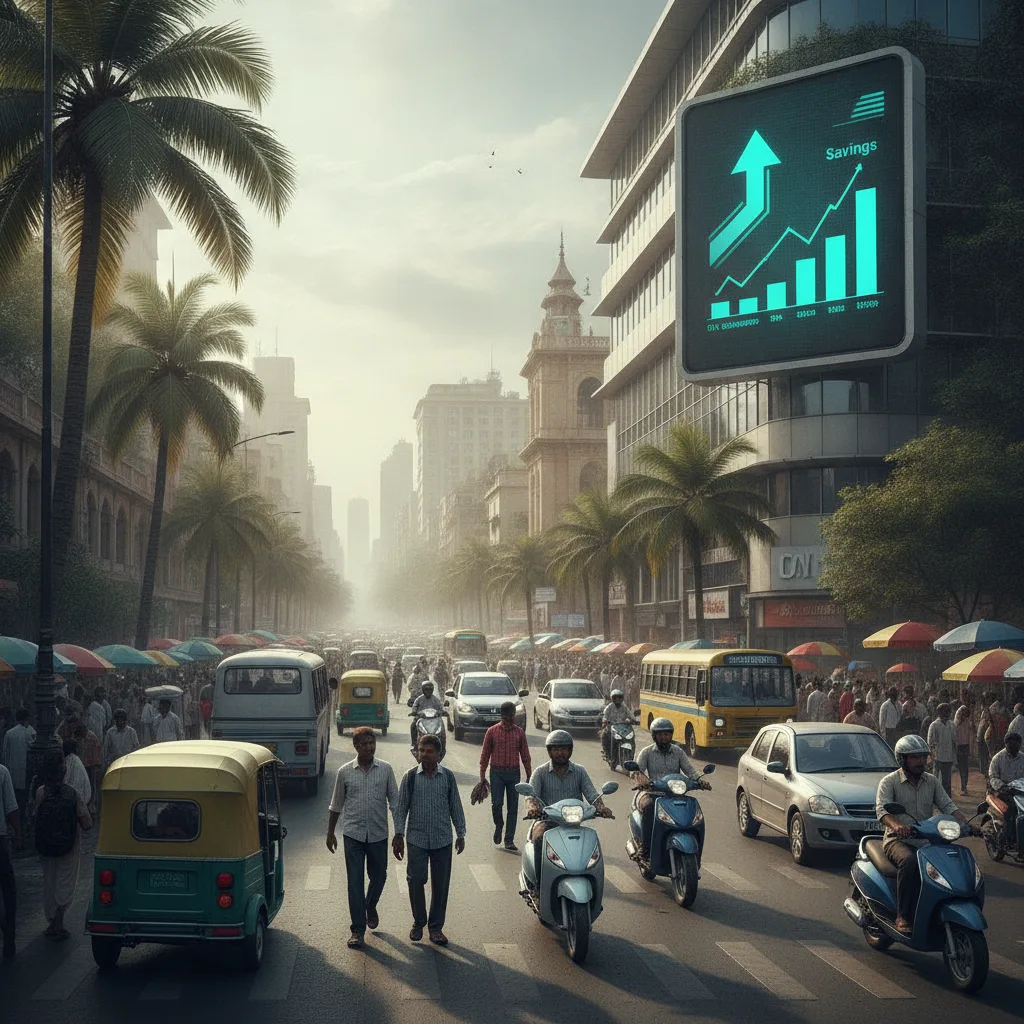
India could save ₹1 lakh crore in crude oil imports if electric vehicles make up 20% of new vehicle sales by 2030, according to a report published by ET Auto. The figure shows the potential economic heft of the country's EV transition, a shift that policymakers have pushed for years.
The estimate comes from an analysis of India's growing oil demand and the role transport plays in it. The country imports roughly 85% of its crude oil needs, making it vulnerable to global price swings. Every dollar per barrel rise in oil prices adds about ₹10,000 crore to India's import bill.
How the savings stack up
The report calculates that a 20% EV penetration in the passenger vehicle, two-wheeler, and three-wheeler segments by 2030 would displace enough petrol and diesel to cut imports by ₹1 lakh crore. That is roughly 1.3% of India's current annual crude oil import bill, which stood at about ₹8.3 lakh crore in the last fiscal year.
Two-wheelers, which make up the bulk of India's vehicle fleet, would drive most of the savings. Electric scooters and motorcycles already have a higher adoption rate than cars. In 2023, EVs accounted for about 6% of total vehicle sales in India, with two-wheelers leading the charge.
The report also notes that a faster EV rollout could push savings higher. If EVs reach 30% of sales by 2030, the import savings could cross ₹1.5 lakh crore. But even the 20% target is ambitious. India's current EV sales hover around 6-7% of total vehicle sales, and growth has been uneven across states.
Policy push and roadblocks
The government has set a target of 30% EV sales by 2030. To get there, it has rolled out the Faster Adoption and Manufacturing of Electric Vehicles (FAME) scheme, state-level subsidies, and lower GST rates on EVs. But charging infrastructure remains patchy. India has about 12,000 public charging stations, far short of the 4.6 lakh stations analysts say are needed by 2030.
Battery costs are another hurdle. Lithium-ion battery packs account for 30-40% of an EV's price. Global prices have fallen over the past decade, but recent raw material volatility has slowed the decline. Domestic battery manufacturing, spurred by the government's production-linked incentive scheme, could help bring costs down.
The report does not factor in the environmental benefits of reduced tailpipe emissions. But those are significant. Transport accounts for about 13% of India's energy-related CO2 emissions, and road vehicles make up the bulk of that.
What it means for the grid
A rapid EV rollout also raises questions about India's power grid. The report assumes that the additional electricity demand from EVs would be met by a grid that is already under strain during peak hours. However, smart charging, where vehicles charge during off-peak hours, could ease the load. Some states, like Delhi and Maharashtra, have already started pilot programs for time-of-day tariffs.
The report was released as India prepares to update its National Electric Mobility Mission Plan. The government is expected to announce new targets and incentives later this year.
Comments
Be the first to comment.
Leave a comment