
India's Renewable Power Generation Jumps 19% in May as Solar Leads
Clean energy generation hit 22.2 billion units during a record-breaking summer heatwave.
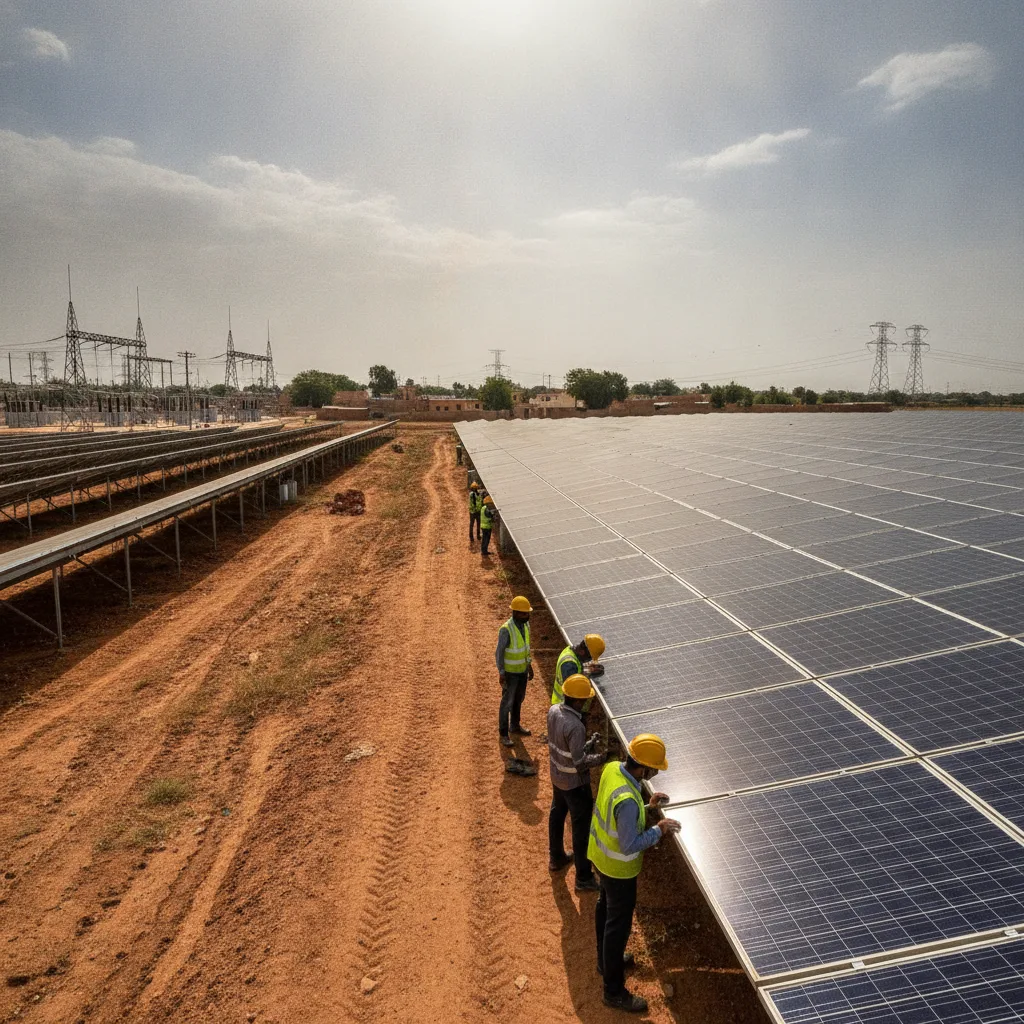
India's renewable energy sector grew fast in May. Total green power generation jumped nearly 19% compared to the same month last year. Data from the Central Electricity Authority (CEA) shows that renewable generation reached 22,223 million units (MU) during the month. This is up from 18,739 MU in May 2023.
Solar energy led this growth. Solar plants generated 11,455 MU in May. That is a rise of 15.7% from the 9,897 MU recorded in May last year. Clear summer skies and new solar projects helped drive these numbers. India has been building solar farms at a rapid pace to meet its climate goals.
Wind power also saw a massive jump. Wind plants generated 7,856 MU in May, up from 6,346 MU in May 2023. This represents a 23.8% increase. Strong winds before the monsoon season boosted output in states like Gujarat, Rajasthan, and Tamil Nadu. These three states hold the bulk of India's wind capacity.
Heatwaves and Peak Power Demand
The rise in green power came when the country needed it most. A severe heatwave hit northern and western India in May. Temperatures went over 45 degrees Celsius in many cities. This extreme heat pushed electricity demand to record levels. People ran air conditioners day and night. India's peak power demand touched a record 250 gigawatts (GW) on May 30.
Renewable energy helped ease the strain on the national grid. Coal still supplies most of India's power, but green energy is taking up a larger share. During peak daylight hours, solar power met a significant portion of the air conditioning load.
Other green sources showed different trends. Small hydro projects generated 724 MU, showing a slight drop from last year. Biomass and bagasse power generation also remained flat. However, the strong performance of solar and wind more than made up for these flat areas.
India wants to build 500 GW of non-fossil fuel capacity by 2030. The country currently has about 146 GW of solar, wind, and biomass capacity, excluding large hydro. If large hydro is included, the clean energy capacity exceeds 190 GW. The government plans to bid out 50 GW of new renewable projects every year to keep up the pace.
The CEA data shows that the total power generated from all sources in India, including coal, gas, and nuclear, reached 162.2 billion units in May. This was an increase of about 10% from the previous year. Renewables grew at nearly double that rate, showing their rising share in the country's energy mix.
Comments
Be the first to comment.
Leave a comment