
India's solar boom: 72 GW installed, but grid challenges loom
A new report from pv magazine India charts the country's rapid solar growth and the hurdles ahead for grid integration and financing.
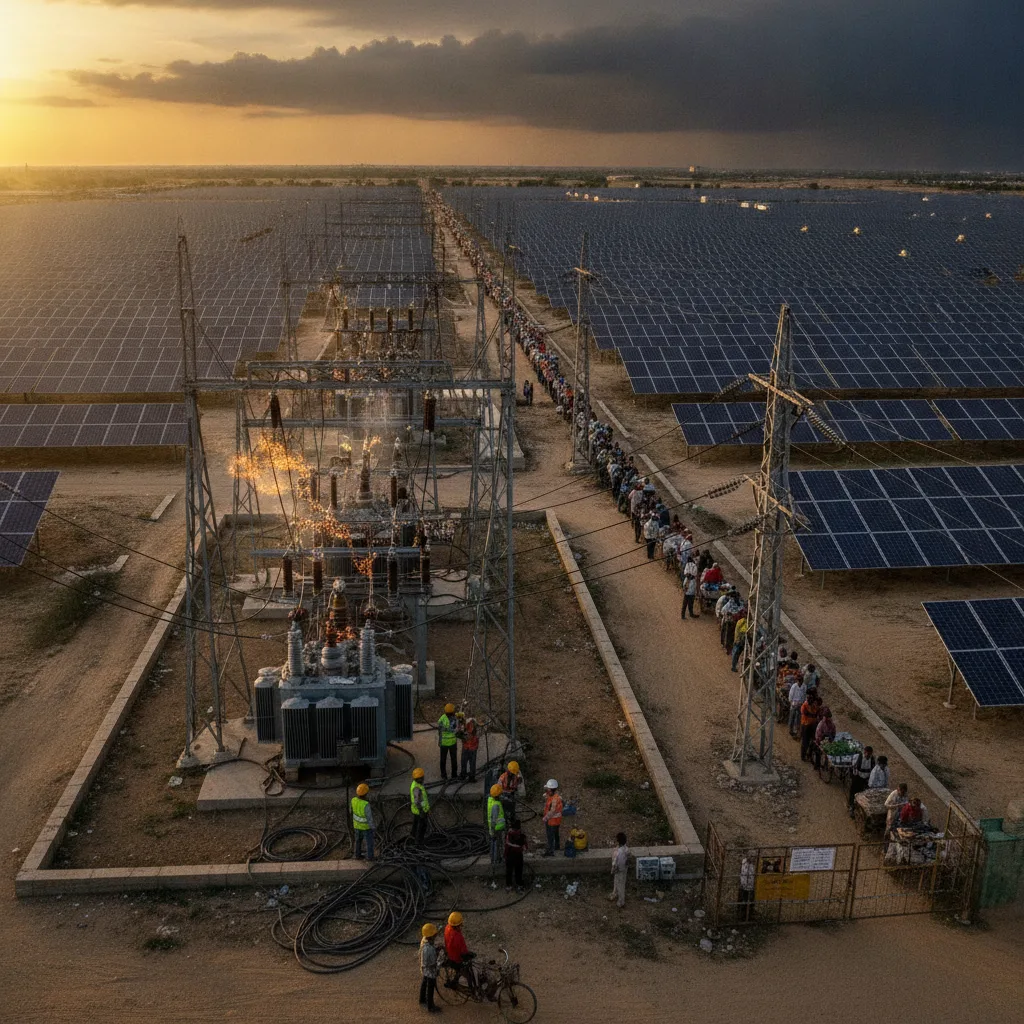
India has crossed 72 GW of installed solar capacity. That is a big number. But the country wants 500 GW of renewable energy by 2030. Solar will carry most of that load.
A new analysis from pv magazine India shows how fast the shift is happening. Utility-scale projects make up the bulk of installations. Rooftop solar has grown too, but slower than expected. The government set a target of 40 GW of rooftop solar by 2022. It reached only about 11 GW.
Why the gap? High upfront costs and slow net-metering approvals held things back. States like Gujarat and Rajasthan lead in utility-scale solar. They have plenty of sun and land. But other states have been slow to clear projects.
Grid troubles
The grid is not ready for so much variable power. Solar stops generating at sunset. That forces coal plants to ramp up fast every evening. It strains equipment and raises costs. The Central Electricity Authority says India needs more battery storage. At least 27 GW of storage by 2030, it says. So far, only a handful of battery projects are running.
Green hydrogen could help. The government approved a $2.3 billion plan to build hydrogen hubs. Solar will power many of those hubs. But the technology is still expensive. And water scarcity in solar-rich states like Rajasthan is a problem. Hydrogen production needs a lot of water.
Money matters
Financing remains a hurdle. Banks are wary of lending to solar projects. Why? Payment delays from state distribution companies are common. Some discoms owe thousands of crores to generators. That makes lenders nervous. The government launched a $1.4 billion scheme to help discoms clear dues. But progress is patchy.
Foreign investment is flowing. The International Solar Alliance says India attracted over $20 billion in solar investment since 2014. But the pace needs to double to hit the 2030 target. Domestic manufacturing is also growing. The production-linked incentive scheme for solar modules is working. Companies like Waaree and Vikram Solar are expanding factories. But India still imports most of its cells from China. That is a supply chain risk.
What comes next
The Ministry of New and Renewable Energy is pushing for open access. That lets big buyers get solar power directly from generators. It cuts out the discoms. But states resist because they lose revenue. Only a few states have clear open-access rules.
Rooftop solar is picking up again. New rules let consumers sell excess power to the grid at better rates. And the cost of panels keeps falling. A typical home system now pays for itself in four to five years. But awareness is low outside big cities.
India added about 13 GW of solar in 2023. That is good. But to reach 500 GW by 2030, the country needs to add nearly 50 GW each year. That means faster land acquisition, better grid planning, and more flexible financing. The sun is not the problem. The systems around it are.
Comments
Be the first to comment.
Leave a comment