
India's Solar Boom Strains Grid as Storage Lags Behind
Rising solar power generation is causing voltage swings and frequency fluctuations, exposing the country's lack of battery storage.
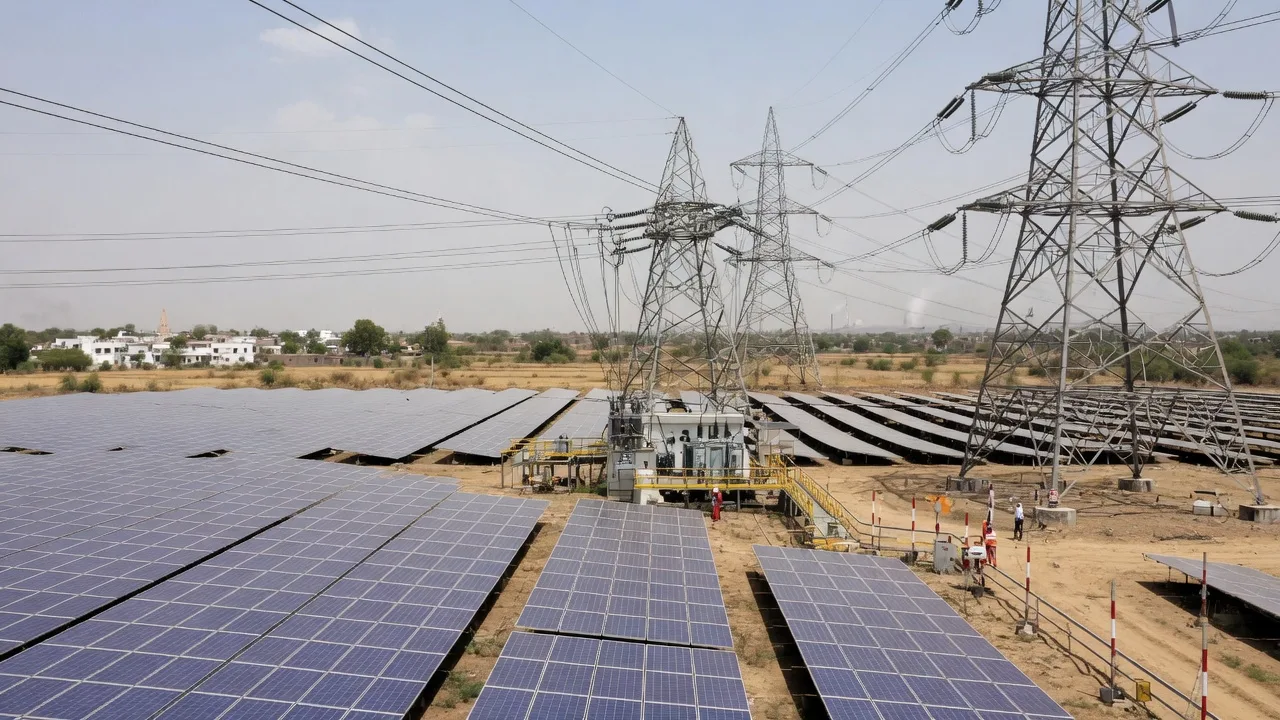
India's solar capacity is growing fast. But the power grid is struggling to keep up. The problem, experts say, is a lack of storage.
Solar generation peaks during the day. When clouds pass or the sun sets, output drops sharply. These swings strain the grid, causing voltage fluctuations and frequency dips. The Indian power system was built for steady coal-fired plants, not variable solar power.
Data from the Grid Controller of India shows that solar now meets about 10% of peak demand on sunny days. But without batteries to store that energy for evening use, grid operators must ramp coal plants up and down rapidly. That is inefficient and costly.
India has set a target of 500 GW of renewable capacity by 2030. Solar is expected to make up most of that. But the current grid code and infrastructure are not ready for such high penetration. The Central Electricity Authority has warned that without large-scale storage, the grid could face stability risks as early as 2025.
The storage gap
India's installed battery storage capacity is tiny. It stands at less than 100 MWh. Compare that to the government's target of 50 GWh by 2030. The gap is enormous.
Pumped hydro storage, which uses water to store energy, is more mature. India has about 4.7 GW of pumped hydro capacity. But most of it is used for peak shaving, not for integrating solar. New projects are stuck in land acquisition and environmental clearance delays.
Battery costs have fallen sharply. But they remain high for Indian utilities. A 2023 study by the Council on Energy, Environment and Water found that solar-plus-storage is still 30-40% more expensive than coal power. Without subsidies or a strong carbon price, utilities are reluctant to invest.
The government has tried to push storage. In 2023, it announced a viability gap funding scheme for 4 GWh of battery storage. But the response from developers has been slow. High import duties on lithium-ion cells are a major hurdle.
Grid management challenges
State load dispatch centers are feeling the heat. In Rajasthan, solar penetration has reached 30% on some days. Grid operators there report frequent voltage fluctuations. They have to ask solar plants to curtail output, wasting clean power.
In Gujarat, the state utility has started enforcing strict ramping limits on solar plants. That means plants must reduce output gradually, not all at once. But this cuts their revenue.
The Southern grid, which includes Tamil Nadu and Karnataka, faces a different problem. Solar generation pushes down daytime power prices. But evening prices spike when solar fades. This price volatility makes it hard for utilities to plan.
The Ministry of Power has proposed new grid regulations. These include mandatory forecasting and scheduling for solar plants. But enforcement is weak. Many plants still do not comply.
India needs a mix of solutions. More battery storage. Faster pumped hydro projects. Better grid management software. And a market that rewards flexibility, not just cheap power. Without these, the solar boom could turn into a grid headache.
Comments
Be the first to comment.
Leave a comment