June 2026 EV Sales Hit Record: 30,000 Cars Sold in a Month for First Time
India's electric car market crossed a new milestone in June 2026, with monthly sales topping 30,000 units for the first time, according to Autocar India.
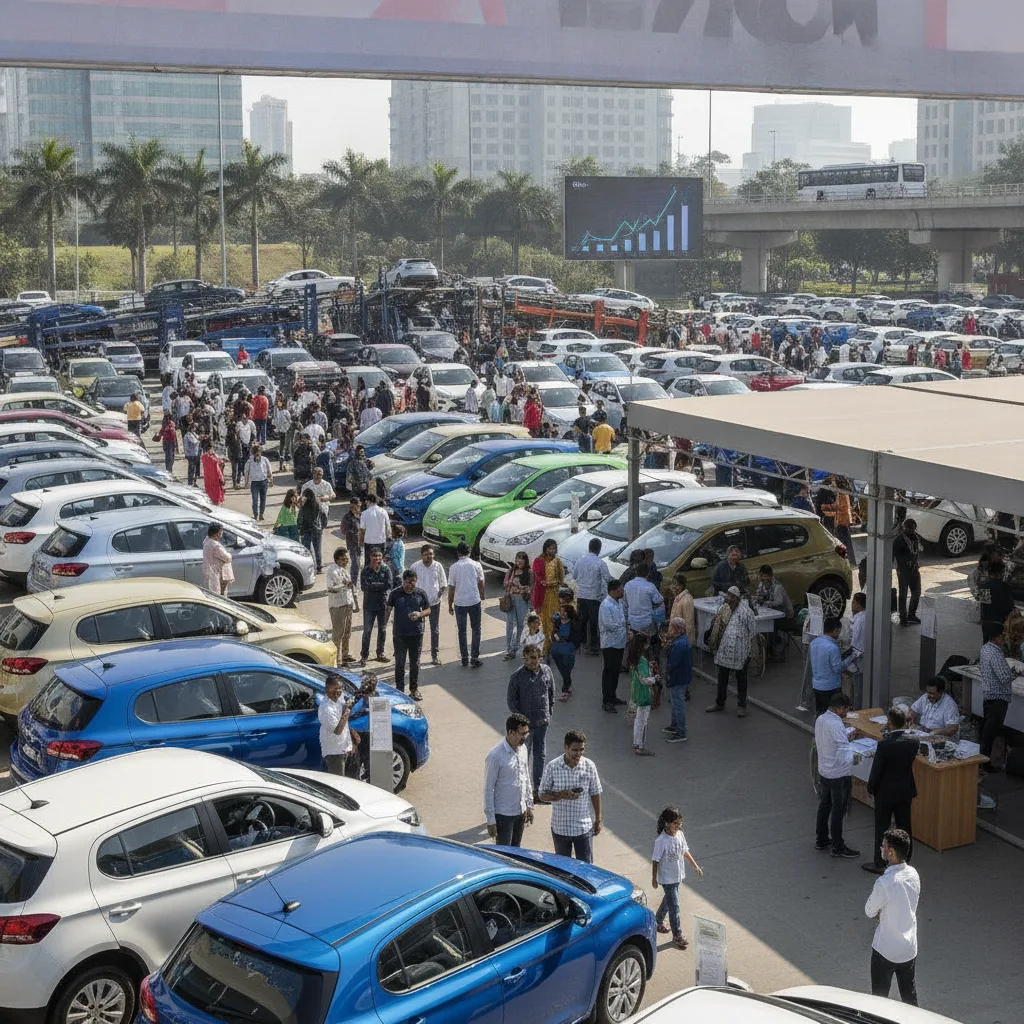
India's electric car market hit a new high in June 2026. Monthly sales crossed 30,000 units for the first time, according to data from Autocar India. The figure marks a sharp jump from previous months and signals a shift in buyer appetite.
The June tally beat the previous record set in March 2026, when sales stood at around 28,500 units. Industry watchers had expected growth to slow after the end of financial-year discounts. Instead, demand held strong through the first quarter of the new fiscal year.
What drove the surge
Several factors pushed sales over the 30,000 mark. Automakers rolled out new models with longer ranges and lower prices. State-level subsidies, especially in Gujarat and Maharashtra, cut upfront costs for buyers. At the national level, the Faster Adoption and Manufacturing of Electric Vehicles scheme, known as FAME III, continued to support purchases of two-wheelers and cars.
Charging infrastructure also improved. Public charging points grew by roughly 40% over the past year, easing range anxiety for city drivers. Many new buyers came from smaller cities, where running costs matter more than brand cachet.
Tata Motors led the pack, with the Nexon EV and Tiago EV accounting for nearly half of all EV car sales. MG Motor and Mahindra & Mahindra held the next two spots. Newer entrants, including Citroën and BYD, added volume with budget-friendly models.
Policy tailwinds and roadblocks
The government has set a target of 30% electric car sales by 2030. June's number puts the country on a faster track, but the share of EVs in total car sales still sits below 8%. Petrol and diesel cars dominate the market.
High GST rates on EVs, 5% versus 28% for petrol cars, remain a sticking point for some state governments, which lose tax revenue. A few states have delayed subsidy payments, creating cash-flow problems for dealers. Industry bodies have asked for quicker disbursals.
Battery costs have dropped, but they still make up about 40% of an EV's price. Local production of cells under the government's production-linked incentive scheme is expected to bring costs down further by 2028.
What the numbers mean
The 30,000-unit month shows that demand is real, not just policy-driven. Buyers are choosing EVs for daily commutes, not just as second cars. Fleet operators, from ride-hailing firms to delivery companies, are also switching to electric models to cut fuel bills.
Still, challenges remain. Public charging networks are thin on highways, which limits long-distance travel. Many apartment complexes in cities still resist installing chargers. And the used-EV market is nearly non-existent, which makes some buyers wary of resale value.
Autocar India's data for June covers only passenger cars. It does not include two-wheelers, three-wheelers, or commercial vehicles, where EV adoption is already higher. Electric two-wheelers alone sold around 450,000 units in June, and electric three-wheelers crossed 100,000.
The car segment is catching up. If the pace holds, monthly sales could hit 40,000 by the end of 2026. For now, the 30,000 mark is a milestone, and a sign that India's electric car shift is no longer a niche story.
Comments
Be the first to comment.
Leave a comment