
Maharashtra Unveils ₹500 Crore Solar Scheme for Rural Electrification
The state government aims to bring solar power to 100,000 rural households by 2025.
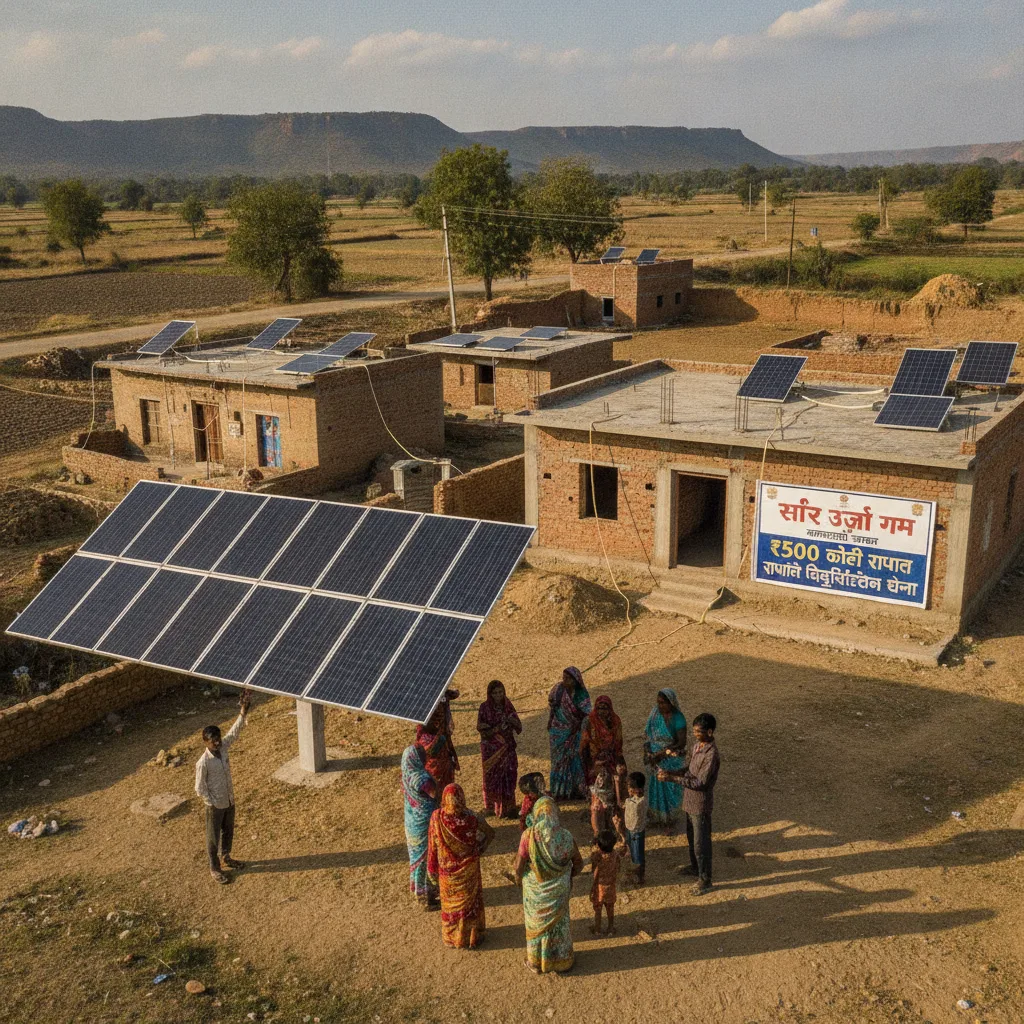
Maharashtra's Solar Push
The Maharashtra government has launched a ₹500 crore solar power scheme to electrify rural areas. The initiative, announced on October 15, 2023, targets 100,000 households in villages that still lack reliable electricity access. The state's Energy Minister, Devendra Fadnavis, said the program will use solar panels and battery storage to provide 24/7 power.
How It Works
Under the scheme, households will receive solar systems with a capacity of up to 3 kW. These systems will include panels, inverters, and batteries to store excess energy. The government will cover 90% of the cost, with households paying the remaining 10%. 'This ensures affordability while promoting clean energy,' Fadnavis explained.
The Maharashtra Energy Development Agency (MEDA) will oversee the installation process. They've partnered with local vendors and NGOs to speed up implementation. Villages in districts like Gadchiroli, Nandurbar, and Palghar, areas with low grid connectivity, are prioritized.
Benefits and Challenges
The scheme is expected to reduce reliance on diesel generators and kerosene lamps, cutting carbon emissions by an estimated 1.5 million tonnes annually. It also aims to improve living standards by powering lights, fans, and small appliances.
However, challenges remain. Experts warn that maintaining solar systems in remote areas could be difficult. 'Training local technicians and ensuring spare parts are available will be key,' said energy analyst Priya Deshmukh.
Broader Goals
The initiative aligns with India's target of achieving 500 GW of renewable energy capacity by 2030. Maharashtra, which already has 7 GW of solar power, aims to double its capacity by 2025. The state government plans to roll out similar schemes for schools, hospitals, and small businesses in rural areas.
'This is a step toward energy independence for Maharashtra's villages,' Fadnavis said. The first phase of the project is set to be completed by March 2024, with full implementation expected by 2025.
Comments
Be the first to comment.
Leave a comment