
No Tax Break for Strong Hybrids, Petrol Bikes Banned in Delhi from April 2028
Delhi's new EV policy drops tax breaks for strong hybrid cars and sets a 2028 deadline to phase out petrol two-wheelers, pushing for cleaner transport.
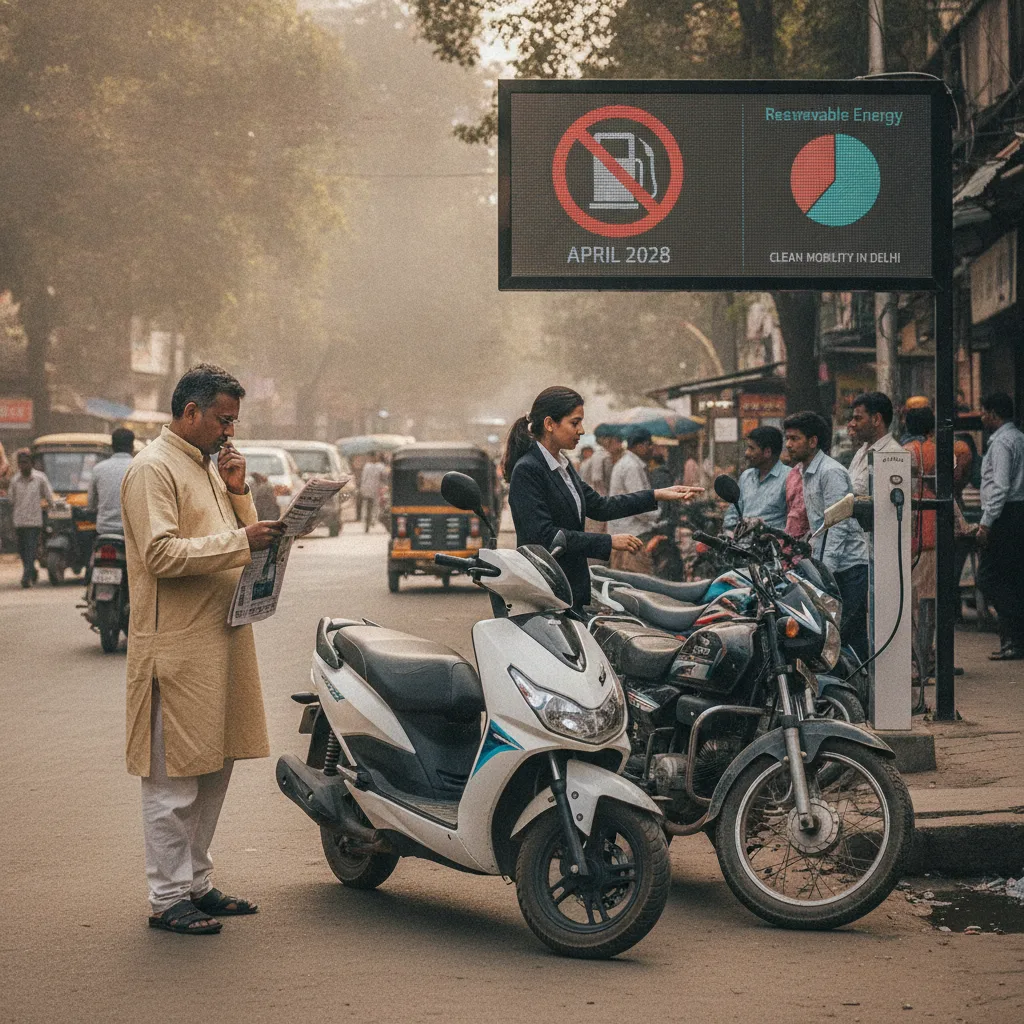
Delhi is tightening its grip on fossil-fuel vehicles. The city's new electric vehicle policy, released this week, drops a key tax break for strong hybrid cars. It also sets a firm date to ban new petrol-powered two-wheelers.
From April 1, 2028, no new petrol or diesel motorcycle or scooter can be registered in the national capital. The move targets Delhi's huge fleet of two-wheelers, which make up a big share of its air pollution.
Strong hybrids, cars that combine a petrol engine with a larger battery and can run on electric power alone for short distances, will no longer get a road tax exemption. Earlier drafts of the policy had offered them a 15% tax break. That's gone now.
The policy instead puts its weight behind battery electric vehicles (BEVs). It keeps a full road tax waiver for pure electric cars and two-wheelers. It also extends purchase incentives for electric two-wheelers, three-wheelers, and e-rickshaws.
Why the change?
Officials say strong hybrids still burn fuel. Delhi's transport department argued that giving them tax breaks would slow the shift to zero-emission vehicles. Environmental groups have backed the decision, saying hybrids are a half-step that doesn't clean the air fast enough.
Auto industry bodies pushed back. They say hybrids offer a practical bridge for buyers worried about range and charging. Without the tax break, they warn, sales of cleaner petrol-electric cars will stall.
Delhi's air quality remains among the worst in the world. Vehicles are a major source of the fine particulate matter that chokes the city each winter. The new policy aims to push more people directly into electric vehicles.
Two-wheeler ban timeline
The 2028 deadline for petrol two-wheelers is ambitious. Delhi has over 7 million registered two-wheelers, and most run on petrol. The policy gives manufacturers and buyers seven years to prepare.
Electric two-wheelers already make up a small but growing slice of sales. Last year, they accounted for about 5% of new two-wheeler registrations in Delhi. The ban is meant to push that number much higher.
The policy also sets targets for charging infrastructure. It calls for one charging point for every 15 electric two-wheelers and one for every five electric cars by 2025. Public charging stations will be required in all new parking lots and commercial buildings.
Reaction and next steps
Delhi's transport minister said the policy is about survival. "We cannot keep breathing poison," he told reporters. "This is a clear roadmap. No more half measures."
Car companies that invested in hybrid technology, like Toyota and Honda, are unhappy. They had hoped Delhi would follow central government guidelines that treat strong hybrids as "green" vehicles. The central policy still offers them some incentives, but Delhi has chosen a harder line.
Two-wheeler makers like Bajaj Auto and Hero MotoCorp are already shifting toward electric models. Both have launched electric scooters in the last two years. They say the 2028 deadline is tough but doable, provided charging infrastructure keeps pace.
The policy now goes to the Delhi cabinet for final approval. If passed, it will be one of India's most aggressive city-level clean transport mandates. Neighbouring states like Uttar Pradesh and Haryana are watching closely. They may follow Delhi's lead.
Comments
Be the first to comment.
Leave a comment