
Policy Gaps Stalling India's Solar Push: A Look at the Failures
A new analysis points to inconsistent policies, grid integration woes, and tariff uncertainty as key barriers slowing India's solar energy growth.
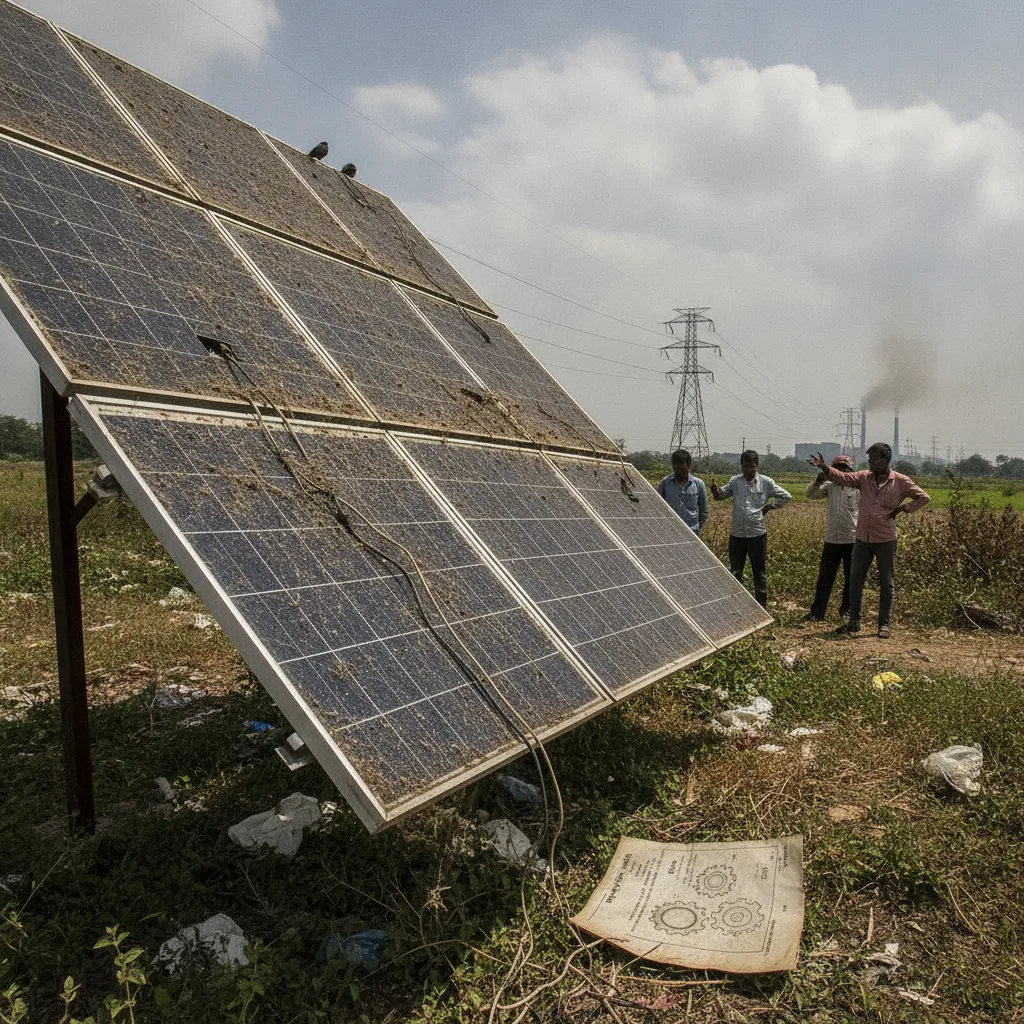
India wants 500 GW of renewable energy by 2030. Solar is meant to do the heavy lifting. But the sector is not moving as fast as it should. A recent report from TheWire.in points to several policy failures that are holding things back.
The problem is not a lack of ambition. It is a mismatch between goals on paper and what happens on the ground. One big issue is grid integration. Solar power is variable, it only works when the sun shines. India's grid is old and not built to handle large swings in supply. The government has talked about better forecasting and battery storage. But concrete rules and funding have been slow to arrive.
Another problem is tariff uncertainty. Solar tariffs have fallen sharply over the past decade. That sounds good. But the constant drops have made investors nervous. They worry that a project signed today at one rate will be undercut tomorrow by a cheaper one. This has led to delays in signing power purchase agreements. Some states have tried to renegotiate contracts after they were signed. That scares off private money.
Land acquisition is another mess. Solar farms need large tracts of land. But land records in India are often unclear. Ownership disputes are common. Multiple states require separate approvals. There is no single-window clearance. A developer can spend years just getting permission to build. The central government has pushed for reforms, but states move at their own pace.
Then there is the issue of domestic manufacturing. India wants to build its own solar cells and panels to reduce reliance on China. The government introduced a production-linked incentive scheme for solar manufacturing. But the rollout has been slow. Bureaucratic delays and unclear eligibility criteria have kept many companies from applying. Meanwhile, Chinese imports still flood the market because they are cheaper.
Discoms, the state power distribution companies, are also a weak link. Many are in poor financial health. They delay payments to solar developers. Some refuse to sign new contracts because they already have too much power they cannot sell. The central government's scheme to turn around discoms has not fixed the core problems.
TheWire.in report notes that rooftop solar has been a particular disappointment. The government set a target of 40 GW of rooftop solar by 2022. The actual number is far lower. State-level policies are inconsistent. Subsidies are slow to reach households. Net metering rules vary wildly from state to state. Many consumers find the paperwork too hard.
On the positive side, large-scale solar parks have done well. But even there, transmission lines are often built late. Power gets stranded. The Ministry of New and Renewable Energy has tried to push deadlines. But state agencies and private players do not always coordinate.
The core message is clear. India has the sun. It has falling technology costs. It has political will at the top. But the policy machinery, from land rules to grid upgrades to tariff stability, is not keeping up. Without fixing these gaps, the 500 GW target will stay out of reach.
Comments
Be the first to comment.
Leave a comment