
Rooftop Solar Is Quietly Becoming India's Most Practical Clean-Energy Bet
Falling panel prices, rising grid tariffs and net metering have turned the home rooftop into one of the few clean-energy investments that pays back in hard cash.
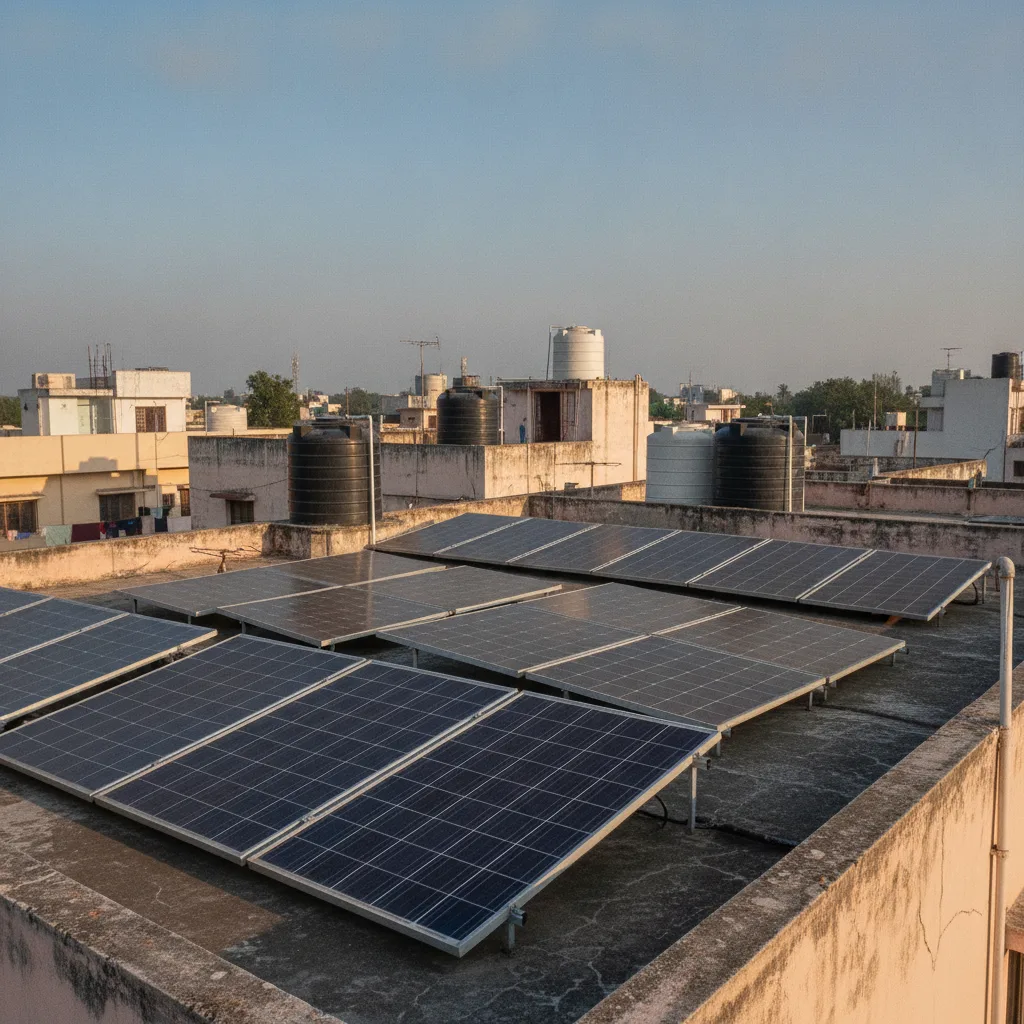
Rooftop solar is quietly becoming the most practical clean-energy choice for Indian households and small businesses. Unlike large utility-scale farms that need land, transmission lines and years of clearances, a rooftop system uses space that is already there and starts generating power within weeks of installation.
The economics have shifted decisively. Panel prices have fallen sharply over the last decade, while grid electricity tariffs for homes and commercial users keep climbing. For many consumers, a rooftop system now pays for itself in roughly four to six years and then delivers near-free power for two more decades.
Why it works so well in India
India receives abundant sunlight across most of the country for most of the year, which means even modest installations produce meaningful output. Net-metering rules in most states let owners export surplus power back to the grid and offset their bills, turning a rooftop into a small revenue source rather than just a cost saving.
Government subsidy schemes for residential rooftops have further lowered the upfront barrier, and a growing network of certified installers has made the process simpler than it was even a few years ago.
What to watch before installing
Shading, roof orientation and structural strength all affect output, so a proper site survey matters more than headline panel wattage. Buyers should also compare warranties carefully: good panels carry performance guarantees of 25 years, but inverters and mounting hardware vary widely in quality.
For most urban homeowners with a clear, south-facing roof, rooftop solar is no longer an experiment. It is one of the few clean-energy investments that pays back in hard cash while cutting carbon at the same time.
Comments
Be the first to comment.
Leave a comment