
Solar cheaper than grid in rural India with village-level planning: Report
A new analysis shows solar mini-grids can undercut grid power in rural India when designed at the village level, offering a path to cheaper electricity.
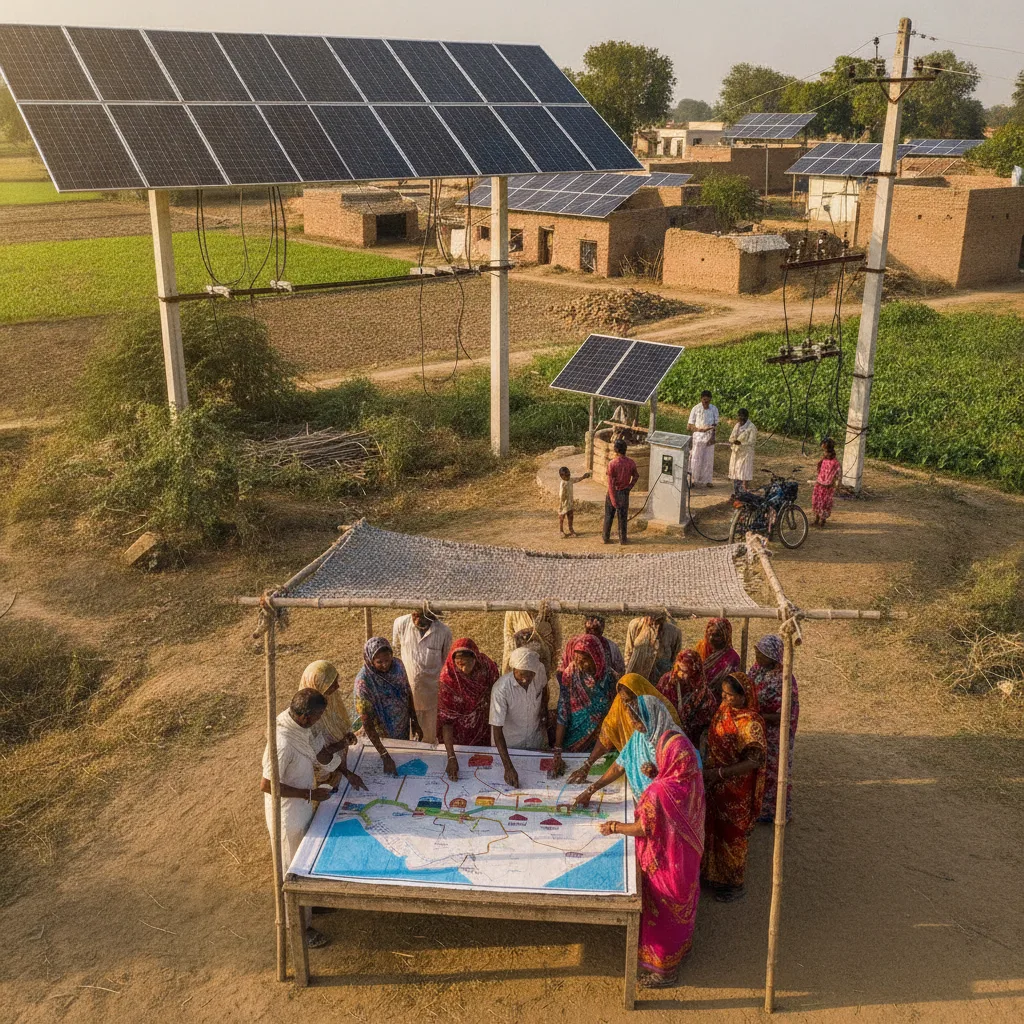
NEW DELHI, Solar power can be cheaper than grid electricity in rural India, but only if projects are planned at the village level. That is the key finding of a report published by ET EnergyWorld.
The study looked at how solar mini-grids stack up against the national grid in remote areas. The answer depends on local factors. Distance from the main grid, village size, and electricity demand all play a role.
In many cases, solar mini-grids already win on price. The report says they can deliver power at a lower cost than extending grid lines to far-flung villages. That is a big deal for India. The country still has tens of millions of people living without reliable electricity.
The government has pushed hard to connect every village to the grid. But the report argues that a one-size-fits-all approach misses opportunities. Village-level planning lets developers size solar systems to match actual demand. That cuts waste and brings down costs.
"The economics shift when you plan at the village level," the report states. "Solar mini-grids can be cheaper than grid power in many rural settings."
India's solar boom has driven down panel prices. Battery storage costs have also fallen. That makes mini-grids more viable. The report notes that solar-plus-storage systems can now compete with diesel generators, which many villages rely on for backup power.
But challenges remain. Financing is a hurdle. Banks are often wary of lending for mini-grid projects. Maintenance is another issue. Many past projects failed because local operators lacked the skills to keep them running.
The report calls for policy changes to fix these problems. It recommends standardised tariffs and better training for local technicians. It also suggests bundling mini-grids with productive uses, like irrigation pumps or cold storage, to boost revenue.
Some states are already moving in this direction. Bihar and Uttar Pradesh have pilot projects that combine solar mini-grids with agricultural loads. Early results show higher utilisation rates and lower per-unit costs.
The report does not claim solar can replace the grid everywhere. Urban areas and industrial zones will still need centralised power. But for rural India, the choice is not always grid or solar. Sometimes the smartest option is both.
"Mini-grids can complement the main grid, not just compete with it," the report says. "They can provide backup during outages and reduce strain on transmission lines."
The authors urge policymakers to think beyond simple electrification targets. The goal should be affordable, reliable power. That means tailoring solutions to local conditions.
India has set a target of 500 GW of renewable energy capacity by 2030. Solar will do the heavy lifting. But how that solar gets deployed matters. The report argues that village-level planning can make solar work for the people who need it most.
For now, the data is clear. In many rural villages, solar can already beat the grid on price. The question is whether India will change its approach to capture that opportunity.
Comments
Be the first to comment.
Leave a comment