
Solar Energy Can Drive India's Clean Power Shift, Experts Say
A new analysis shows how solar power can help India meet its 2030 renewable energy targets and cut emissions.
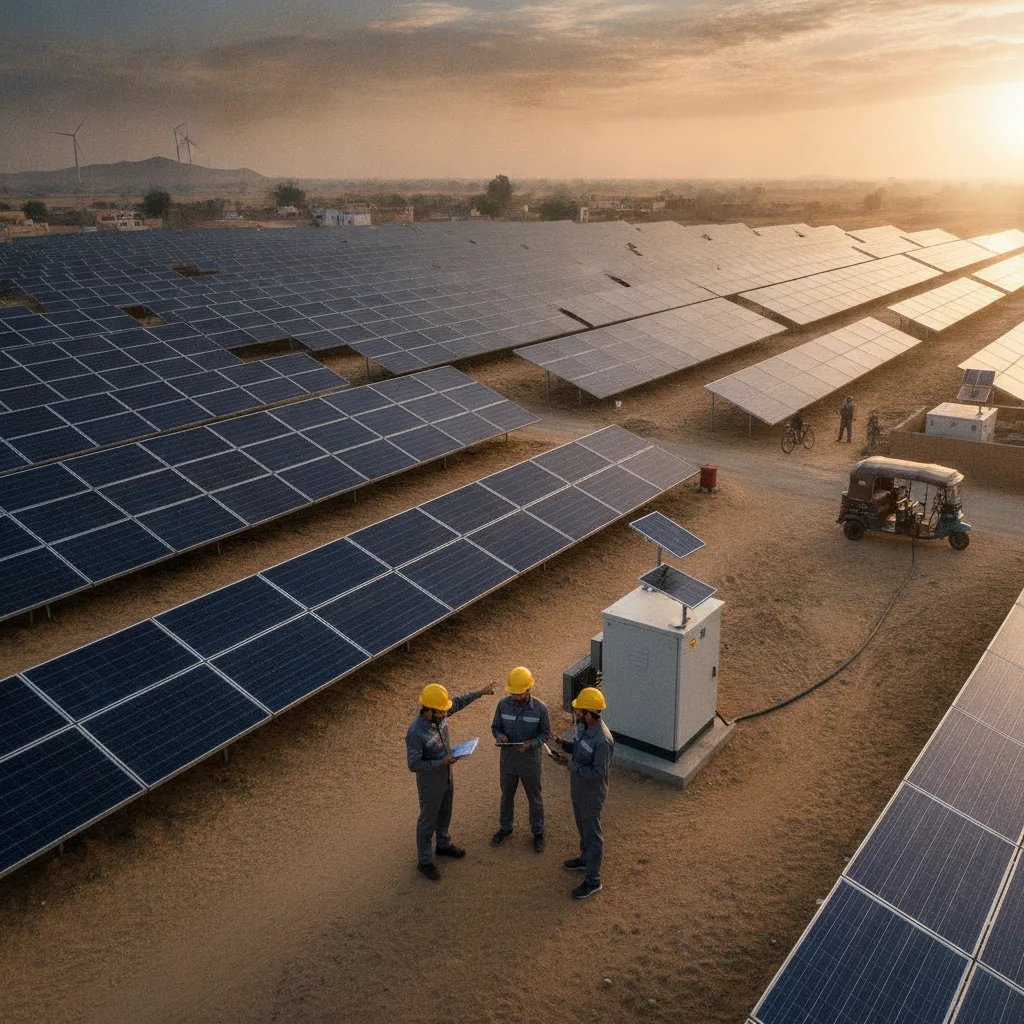
India is racing to build clean energy. Solar power sits at the center of that push. The country wants 500 gigawatts of renewable capacity by 2030. Solar is expected to provide the biggest chunk.
A recent report by pv magazine India looks at how solar can support this transition. The analysis draws on government data and industry trends. It points to falling module prices and better grid integration as key drivers.
India added about 15 GW of solar capacity in 2023. That brought the total to roughly 73 GW. But the target requires adding nearly 50 GW each year for the rest of the decade. That is a steep climb.
Costs Keep Falling
Solar module prices have dropped by more than 40% over the past year. That makes new projects cheaper. Developers are now bidding tariffs below 2.5 rupees per kilowatt-hour. Some auctions have seen prices as low as 2.15 rupees.
Lower costs help state utilities. They can buy solar power at rates below coal-fired electricity. Coal still supplies about 70% of India's power. But solar is eating into that share.
Grid and Storage Challenges
The sun does not shine all day. That creates a problem for grid operators. Solar output peaks at midday. Demand peaks in the evening. The gap needs filling.
Battery storage is the main answer. India has about 100 MW of grid-scale battery storage today. The government plans to tender 50 GW of storage by 2030. Pumped hydro projects are also in the pipeline.
Green hydrogen offers another outlet. Excess solar power can run electrolyzers to make hydrogen. That hydrogen can replace fossil fuels in steel, fertilizer, and shipping. India's National Green Hydrogen Mission targets 5 million tonnes of annual production by 2030.
Rooftop Solar Lags Behind
Utility-scale solar farms have grown fast. Rooftop solar has not kept pace. The government set a target of 40 GW of rooftop solar by 2022. It reached only about 11 GW.
High upfront costs and slow approvals hold adoption back. State subsidies cover up to 40% of installation costs for homes. But many consumers still find the process confusing. New online portals aim to simplify it.
The residential sector accounts for about a quarter of India's electricity use. Rooftop solar could cut household bills and reduce strain on the grid during peak hours.
Manufacturing Gets a Boost
India wants to make its own solar panels. The production-linked incentive scheme offers 24,000 crore rupees for domestic manufacturing. Companies like Adani Solar and Waaree Energies are building new factories.
Current module-making capacity stands at about 38 GW per year. Cell-making capacity is lower at around 6 GW. The government has imposed import duties on cells and modules to protect local industry. That has pushed up project costs in the short term.
Domestic manufacturing helps reduce reliance on Chinese imports. China makes over 80% of the world's solar cells. India's goal is to build a self-sufficient supply chain.
Rural areas also stand to gain. Solar-powered irrigation pumps can replace diesel pumps. That saves farmers money and cuts emissions. The PM-KUSUM scheme aims to install 2 million solar pumps by 2026. So far about 400,000 have been deployed.
Solar energy alone will not solve India's climate challenge. But it is the cheapest and fastest way to add clean power. The next few years will show whether the country can turn targets into terawatts.
Comments
Be the first to comment.
Leave a comment