
Tata Motors Leads India EV Sales, Mahindra Takes Second in Q1 FY27
New registration data from Vahan shows Tata Motors holding a commanding lead in India's electric vehicle market, with Mahindra & Mahindra climbing to the second spot in the first quarter of FY27.
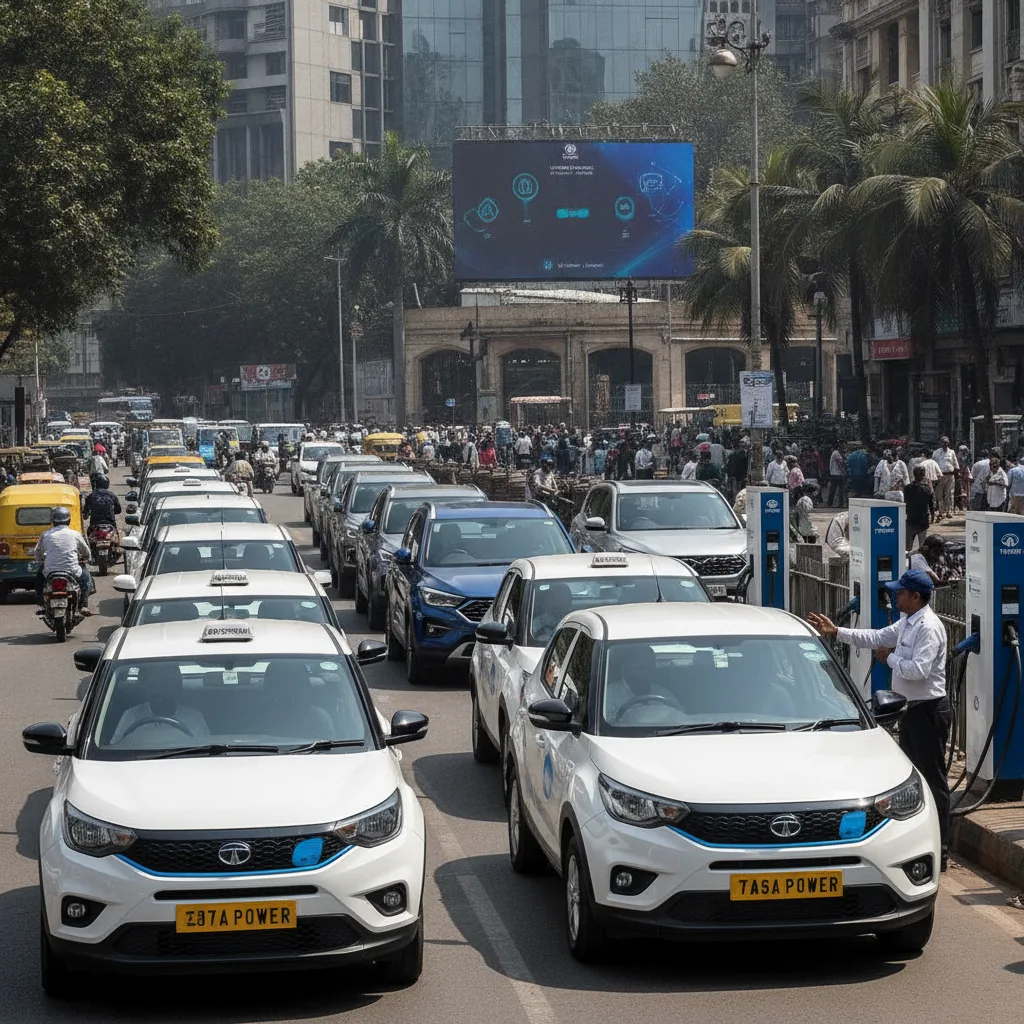
India's electric vehicle race has a clear leader. New registration data from the government's Vahan portal, compiled by ACKO Drive, shows Tata Motors dominating the EV market in the first quarter of FY27. Mahindra & Mahindra has claimed the second spot, edging out other players.
The numbers come from vehicle registrations across the country. Tata Motors sold the most electric cars and SUVs by a wide margin. Mahindra's strong showing with its XUV400 and other models pushed it past competitors like MG Motor and Hyundai.
MG Motor India, which had earlier held the second position, slipped to third. Hyundai Motor India stayed in fourth place. The rankings reflect a shift in buyer preference toward homegrown brands with a wider service network and more affordable models.
What the Data Shows
The Vahan data covers all new EV registrations from April to June 2027. Tata Motors accounted for more than 70% of all electric passenger vehicles sold in India during this period. Mahindra took roughly 12%, with MG at around 9% and Hyundai at 5%.
Tata's lineup includes the Tiago EV, Tigor EV, Nexon EV, and the recently launched Punch EV. These cars span a wide price range, from entry-level hatchbacks to compact SUVs. Mahindra's XUV400, a compact electric SUV, has been its main driver for growth.
MG sells the ZS EV and the Comet EV. Hyundai offers the Kona Electric and the Ioniq 5. Both brands have struggled to match Tata's volume, partly because their cars cost more.
Why Tata Leads
Tata Motors got an early start in India's EV push. It built cars on existing platforms, kept prices low, and expanded charging partnerships. The company also sells EVs through its large dealer network, which covers smaller cities and towns.
Mahindra has been catching up. The XUV400, launched in early 2026, gave the company a strong product in the compact SUV segment, the fastest-growing part of India's car market. Mahindra also benefits from its brand image built around rugged SUVs and off-road capability.
MG and Hyundai face a tougher road. Their EVs are priced higher, and both brands have fewer service centres in rural and semi-urban areas. Tata and Mahindra have deeper roots in those markets.
Policy and Infrastructure
The Indian government's Faster Adoption and Manufacturing of Electric Vehicles (FAME) scheme has helped lower upfront costs for buyers. State-level policies in Delhi, Maharashtra, Gujarat, and Karnataka also offer road tax exemptions and registration fee waivers.
Charging infrastructure remains a bottleneck. India has roughly 5,000 public charging stations, mostly in cities. Tata has partnered with Tata Power to install chargers at its dealerships and along highways. Mahindra is working with other firms to build its own network.
Industry analysts say the gap between Tata and its rivals could narrow if Mahindra launches more models and if Hyundai and MG bring cheaper EVs to India. For now, Tata's lead looks solid.
The Q1 FY27 numbers confirm one thing: India's EV market is still a two-horse race, with Tata far ahead and Mahindra pushing hard from behind.
Comments
Be the first to comment.
Leave a comment